Understand the significance of the Nepali New Year in the Bikram Sambat calendar and how it is celebrated with culture and devotion
The people of Nepal consider the Nepali New Year an important festival because it showcases both their national heritage and unique character. The New Year celebration occurs in mid-April according to the Bikram Sambat calendar, which bridges its ancient astronomical roots and contemporary seasonal patterns of timekeeping. This particular moment marks the shift from springtime to summer, which creates a direct relationship between human activities and natural phenomena. The start of the year 2083 brings with it positive feelings, together with the chance to celebrate the traditional practices that our ancestors kept alive.
The celebration is not limited to marking a date - it is a vibrant cultural experience. People across the country engage in different ceremonial practices, which include temple visits, prayer offerings, and blessings that promote their health, success, and prosperity. Major cities and towns host lively events, including processions, music, dance, and traditional feasts. Festivals like Bisket Jatra in Bhaktapur add a unique local flavor, showcasing Nepal’s diverse cultural expressions. Families come together to share meals while they exchange good wishes, which helps to create stronger family ties and build community connections.
Nepali New Year celebrations function as both festive activities and occasions for people to think deeply about their lives. People start to set new objectives while throwing away their previous problems, which leads them to begin their life journey with optimistic energy. This period offers the opportunity to reconnect with both family members and the fundamental cultural values that shape Nepali traditions. The New Year celebration represents an unbroken connection to cultural heritage, which helps people maintain their personal identity and collective cultural identity throughout the entire holiday period.
Understanding the Bikram Sambat Calendar
What is Bikram Sambat?
Nepal uses the Bikram Sambat (B.S.) calendar as its official calendar because the system has historical ties to the ancient past, which connects to the legendary King Vikramaditya. The solar-lunar calendar calculates time at a rate of 56 to 57 years, which results in 2026 AD being equivalent to 2083 B.S. The Nepali New Year begins on the first day of Baisakh, which typically falls around April 13 or 14. The Bikram Sambat system serves as a date-marking system that shows the development of Nepalese culture across multiple centuries while establishing the country’s special cultural identity.

(Photo From Footprint Adventure)
Why the Calendar Matters
The Bikram Sambat calendar plays a vital role in shaping everyday life in Nepal because it functions as more than a method to measure time. The system establishes date times which people use to observe religious celebrations and conduct sacred ceremonies and special events that need proper timing. This helps farmers make their farming decisions while families depend on the system to organize their key family celebrations. The calendar system establishes common cultural identity ties through its connection to traditions, seasonal patterns, and social customs, which transform the Nepali New Year into a significant event that represents both continuity and traditional practices.
Meaning and Significance of Nepali New Year 2083
A Symbol of Renewal and Fresh Start
The Nepali New Year marks a special time that people use to start new beginnings. The period provides an opportunity to think about earlier events while people discard their bad feelings and create their upcoming objectives. The arrival of spring brings a sense of renewal, which people associate with the season that brings forth new growth, fresh beginnings, and beneficial transformations.
Spiritual Importance
People see the New Year as an auspicious moment to start various activities with a mindset that brings positive outcomes. The people think that performing good deeds, praying, and conducting rituals during the New Year will produce good luck and erase previous karma. The act of seeking divine blessings holds significant value because it brings about a year that will unfold with peace and prosperity.
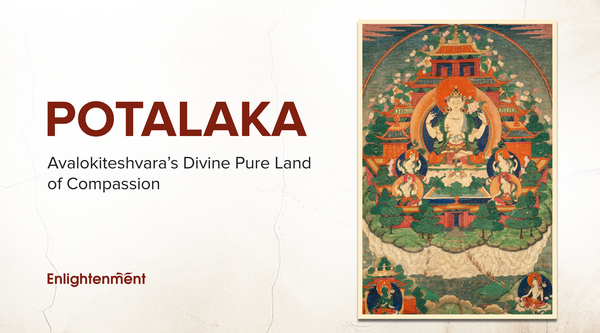
Sacred art, like Thangka paintings are often used in meditation and devotion.

Click Here To View Our Hand-Painted Original Thangkas
Cultural Identity and National Pride
The observance of the Nepali New Year has become a fundamental element of Nepalese national identity and national pride within the country. The celebration showcases Nepal's distinct Bikram Sambat calendar, which exhibits its various cultural traditions and its deep-rooted customs. The celebration serves as a reminder of ancestral heritage, which helps people establish connections with both their historical background and their present-day existence.
Traditional Ways of Celebrating Nepali New Year
1. Temple Visits and Religious Rituals
People on the Nepali New Year visit temples to perform prayer activities while they light lamps and request health and success through divine blessings. The popular sites of Pashupatinath, Swayambhunath, and Boudhanath attract numerous devotees who participate in a traditional practice that serves to achieve spiritual purity and renewal. The practice provides individuals with a serene beginning to the year, which is based on their faith and dedication to God.
2. Cleaning Homes and Preparing for the New Year
People in various households throughout the New Year period undertake cleaning and home decoration activities to eliminate all negative energy while they attract positive energy into their homes. The belief exists that a spotless residence will bring forth good fortune, which leads to financial abundance throughout the upcoming year. The custom establishes an atmosphere that supports both fresh starts and positive changes for upcoming time periods.
3. Family Gatherings and Feasting
Families gather to eat food together while they celebrate their special occasion, which helps them build closer ties with each other. The day becomes joyful and meaningful through the consumption of traditional dishes, which include dal bhat, sel roti, meat dishes, and sweets. The period serves as a time for people to visit their family members and share joyful times.

(Photo From Eatmandu)
4. Cultural Events and Public Celebrations
Throughout Nepal, people engage in festivities that include musical performances, dance, and festival celebrations. The cities of Kathmandu and Pokhara turn into vibrant centers that demonstrate the diverse cultural heritage of their nation. The events serve to unite different communities while bringing happiness to everyone who attends the celebrations.
5. Travel and Leisure Activities
Numerous individuals celebrate through the activities of traveling, picnicking, and exploring outdoor areas. The New Year celebration becomes more enjoyable through participation in these activities. The activity provides an excellent opportunity to spend quality time with family members while entering the new year with joy.
Bisket Jatra: A Major New Year Festival
Bisket Jatra represents a major festive celebration which people observe in Nepal during their New Year period, especially in the traditional town of Bhaktapur. The New Year celebration begins with spectacular festivities, which attract numerous residents and tourists who create a joyful celebration throughout the entire city.
The festival is best known for its dramatic chariot pulling, traditional rituals, and strong community participation. People pull massive wooden chariots that carry deities through narrow streets, creating intense competitive moments between different groups. The community performs various rituals and ceremonies that hold deep cultural and religious significance. Bisket Jatra represents strength and unity while displaying Nepal's diverse cultural heritage, which makes it one of the most distinctive New Year events.

(Photo From The Himalayan Times)
Connection to Nature and Agriculture
The Nepali New Year is closely connected to agriculture and the natural cycle of seasons. It represents the conclusion of the harvest period, which indicates the time when farmers should start preparing their fields for new planting according to upcoming weather patterns and climate transitions.
Farmers view this time as a moment of hope, which brings them chances to achieve a successful farming season. The connection between Nepali culture and nature runs deep, as people in Nepal organize their daily routines and cultural practices according to natural cycles.
Modern Celebrations and Changing Trends
Blending Tradition with Modern Life
Nepali New Year celebrations today show how traditional customs combine with contemporary lifestyle practices. People share greetings through social media, attend parties and concerts, and even take part in digital events. Traditional temple visits and family time at home, which people practice during the celebration, remain vital parts of the festivities, despite contemporary practices.
Celebration in the Nepali Diaspora
The New Year celebrations in Nepali communities abroad show their excitement for the holiday. The holiday is celebrated through cultural events, food festivals, and community gatherings. The celebrations enable them to maintain special ties to their ancestral heritage while they continue to live in foreign countries.

(Photo from btfoundationusa)
Symbolism of Nepali New Year
1. Renewal and Transformation
The new year celebration in Nepal brings people new opportunities to start fresh because it encourages them to let go of everything they have done wrong in their previous existence. The period offers people the chance to develop themselves through fresh experiences while they establish new paths.
2. Hope and Positivity
The arrival of a new year creates feelings of anticipation among people because they believe better times lie ahead. People experience a strong desire to create their objectives while they work to enhance their existence and start the new year with joyful and assured feelings.
3. Unity and Togetherness
The event brings people from different social groups together as it unites them with their relatives and friends. The practice of shared meals and joint festivities, together with customary ceremonies, establishes social bonds among people, which creates a feeling of community belonging.
How to Celebrate Nepali New Year Meaningfully
The execution of Nepali New Year festivities starts when people perform basic good deeds. The first activity of the day establishes a tranquil state of mind through prayers and meditation, while goal assessment directs personal development for the upcoming year. The essential practices enable individuals to discover their true objectives in life.
Family time matters just as much because it helps people strengthen their relationships while they share happy times. The New Year spirit shows itself through acts of kindness, which people perform to help others while spreading joy to their surroundings. Authentic holiday observances emerge from genuine human connections that people share with one another.
Conclusion: A Celebration of Culture and New Beginnings
The celebration of Nepali New Year 2083 extends beyond its function as a new calendar start because it serves as an essential cultural festival that honors spiritual values and the concept of renewal. The celebration displays all the traditional elements of Nepalese heritage while simultaneously presenting the optimism and excitement that accompany fresh starts.
The New Year celebration unites people through two activities, which include peaceful temple visits and energetic Bisket Jatra festivals that create a common festive atmosphere. These celebrations highlight the importance of community, faith, and cultural pride, reminding people of the values that connect them across generations.
The New Year celebration exists to show us that every start brings new chances. The process guides us to examine our previous experiences while we maintain a positive attitude toward our current situation, from which we will advance through hope, kindness, and compassion to create a better tomorrow.