
Free Brocade
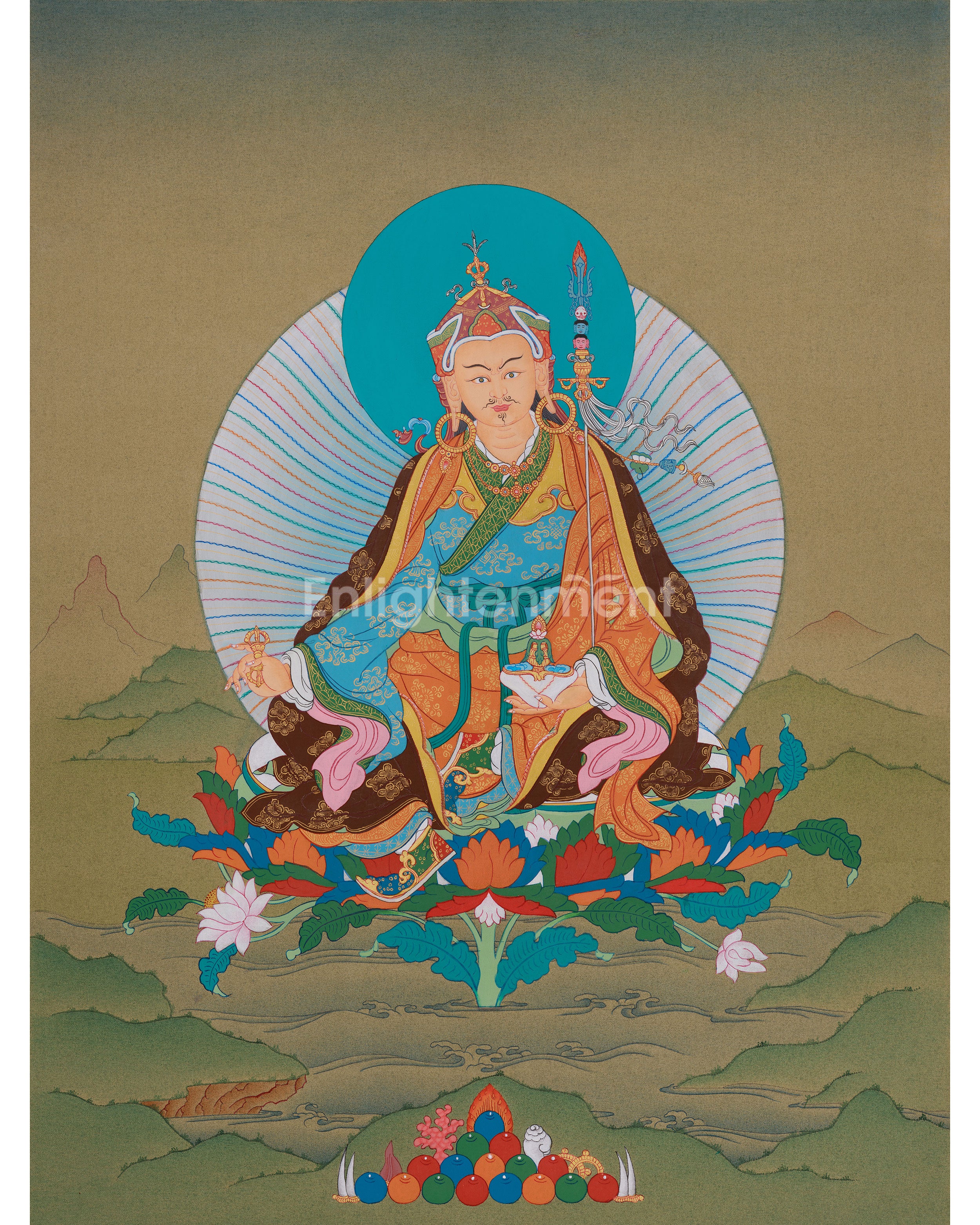
Vajrayana Guru Rinpoche Thangka | Honoring The Lotus-Born Master | Enlightened Wisdom
Sale price$415.00
18 x 24 Inches
+1
Free Brocade
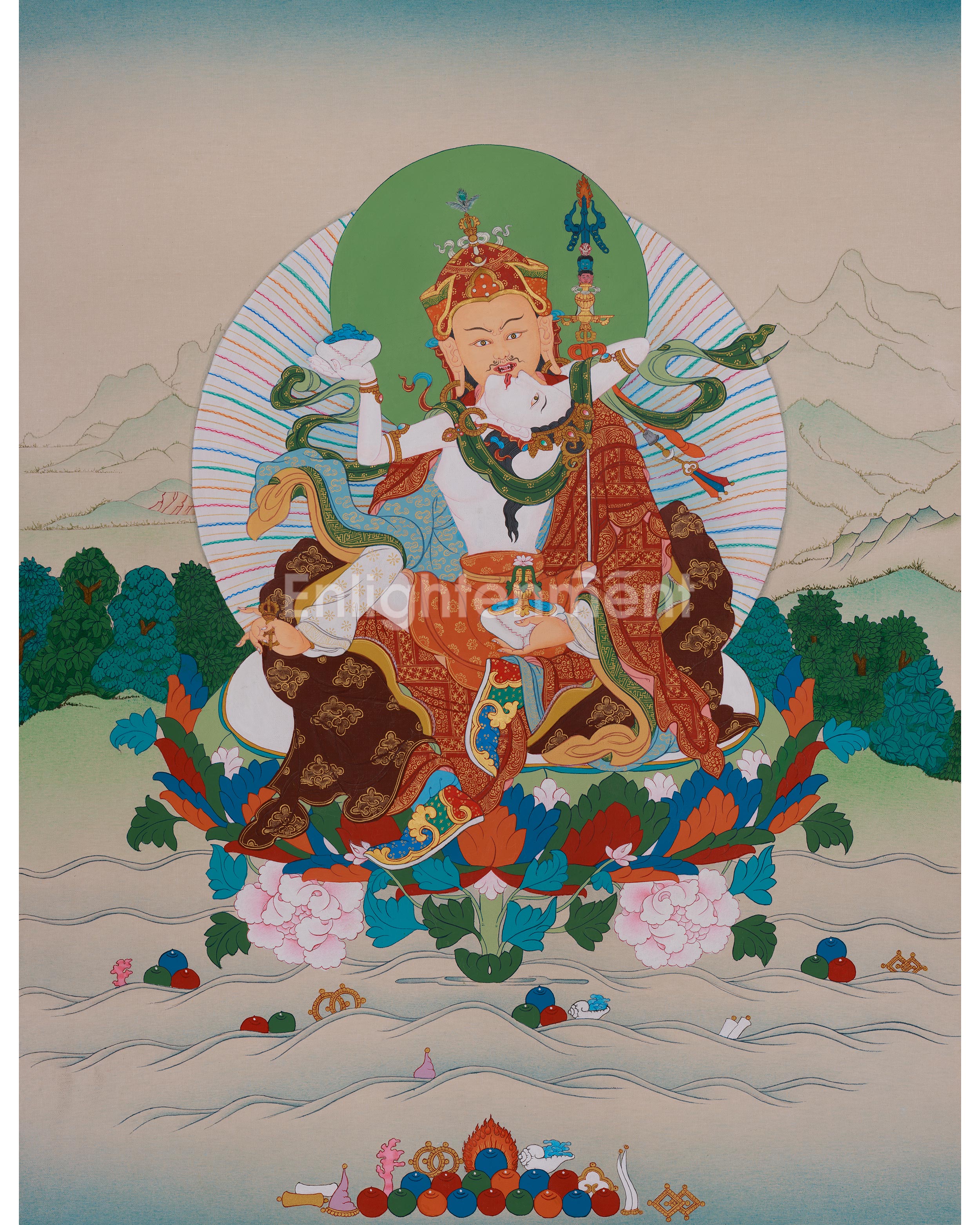
Traditional Guru Rinpoche with Consort Thangka | Representing Wisdom and Transformation
Sale price$415.00
18 x 24 Inches
+1
Free Brocade
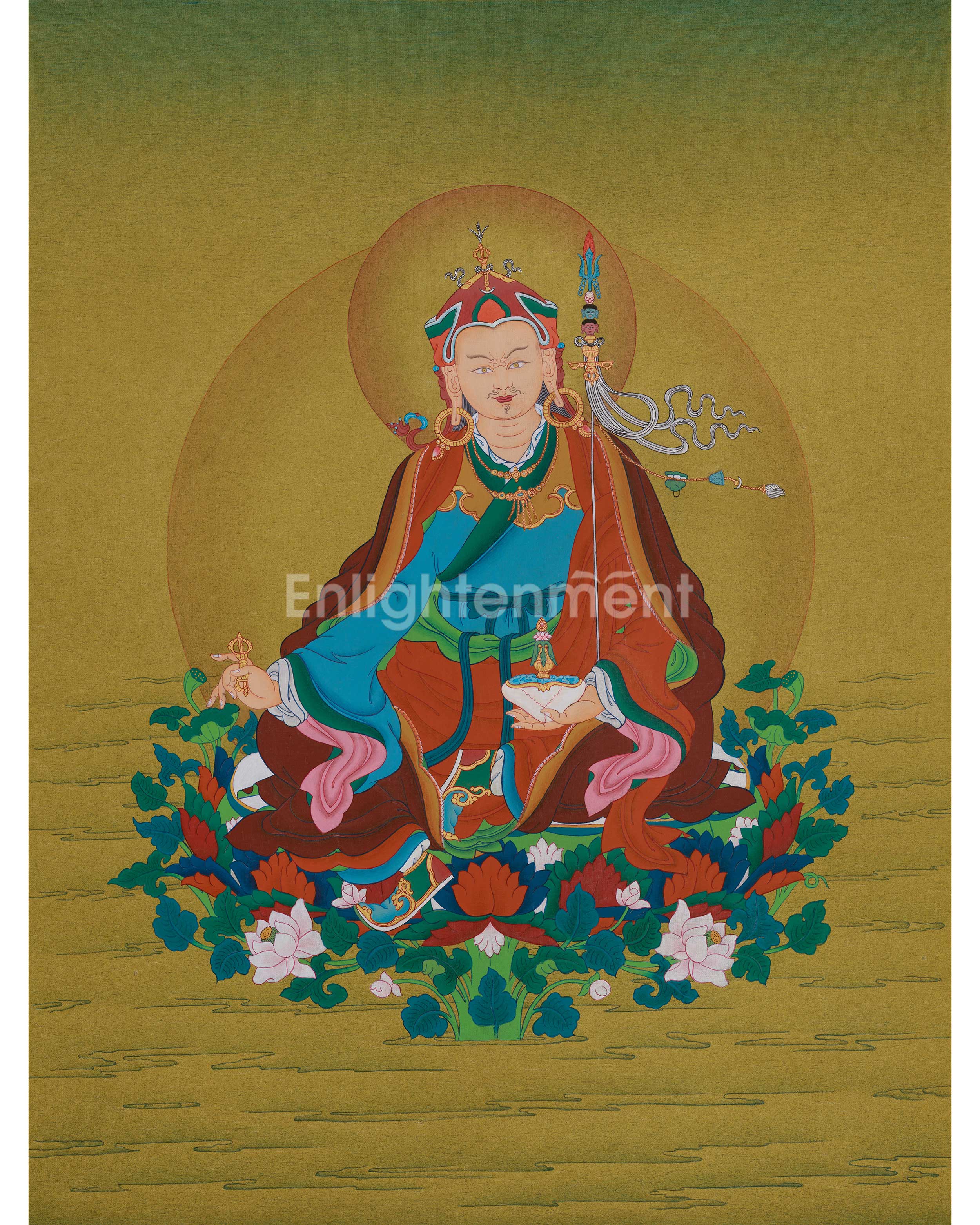
Tibetan Guru Rinpoche Art | Padmasambhava Buddhist Thangka
Sale price$550.00
18 x 24 Inches
+1
Free Brocade

Guru Padmasambhava Art | Tibetan Buddhist Thangka Painting for Vajrayana Altar
Sale price$1,880.00
20 x 30 Inches
+1
Free BrocadeNatural Mineral Colors
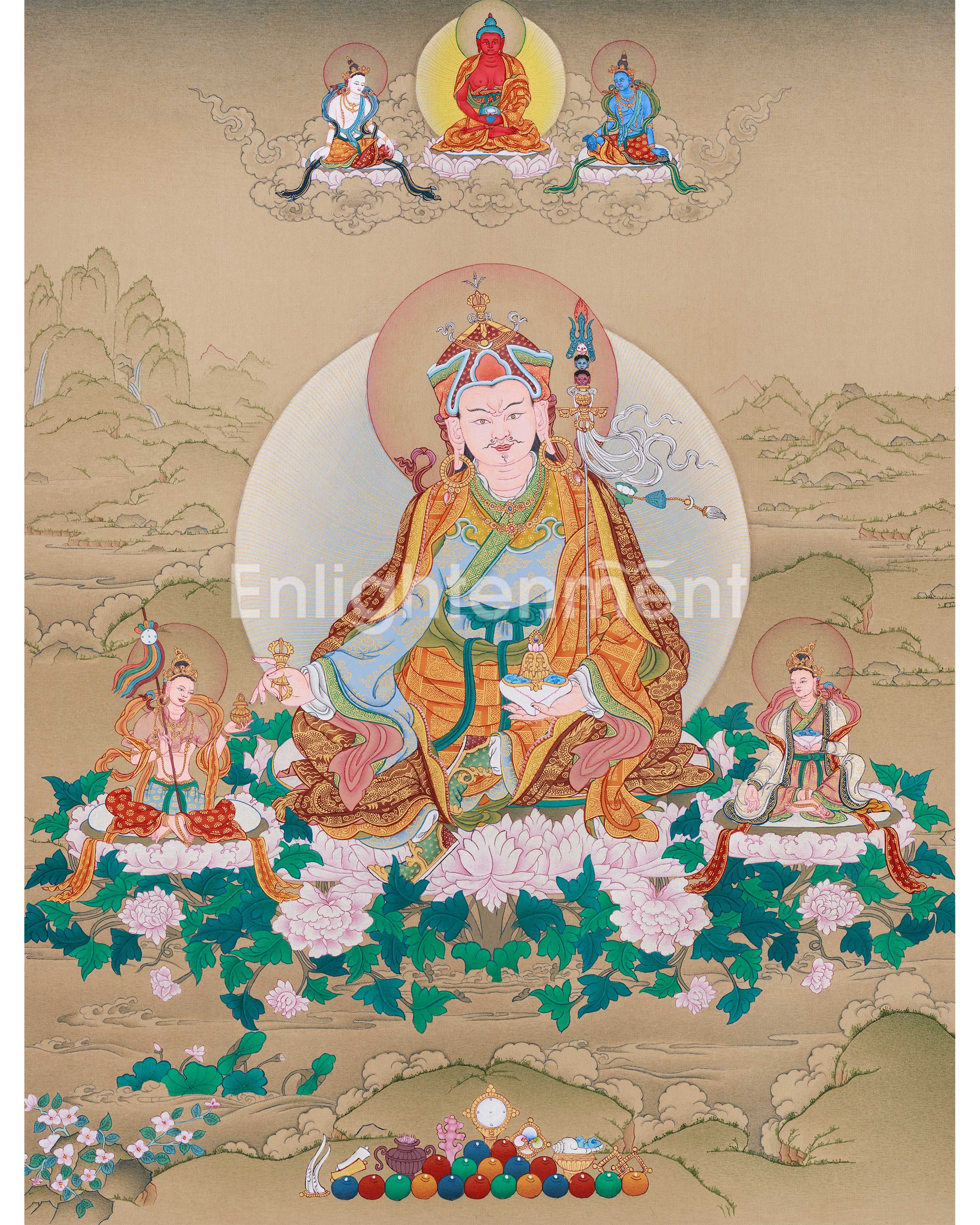
Vajrayana Buddhism Guru Rinpoche Thangka | Exclusive Tibetan Padmasambhava Artwork
Sale price$1,880.00
18 x 24 Inches
+1
Free Brocade
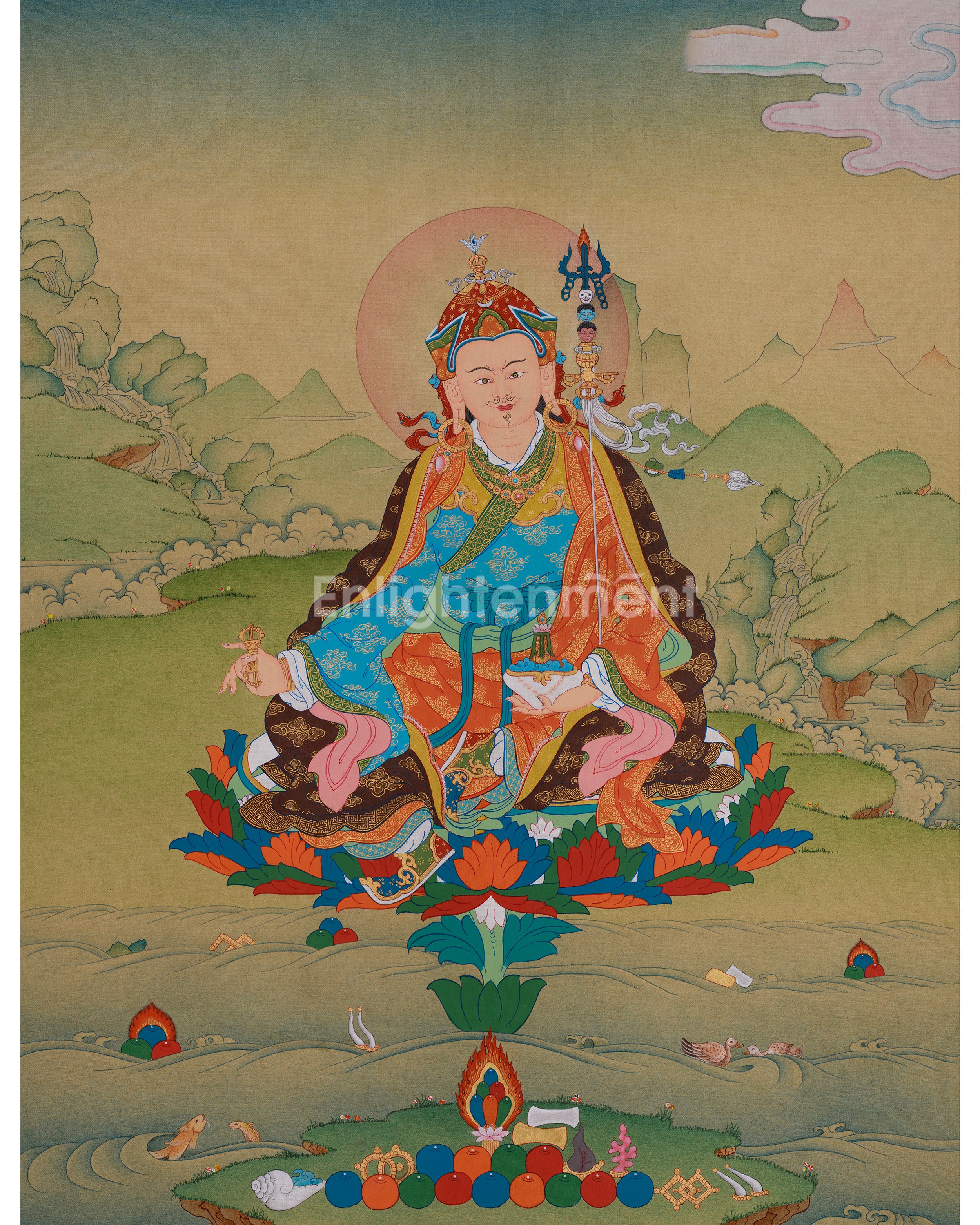
Guru Rinpoche Wisdom Thangka | Spiritual Master of Vajrayana Art
Sale price$460.00
18 x 24 Inches
+1
Free Brocade

Himalayan Thangka of Guru Rinpoche With Consort | Lotus Born Master
Sale price$160.00
9 x 12 Inches
+1
Free Brocade
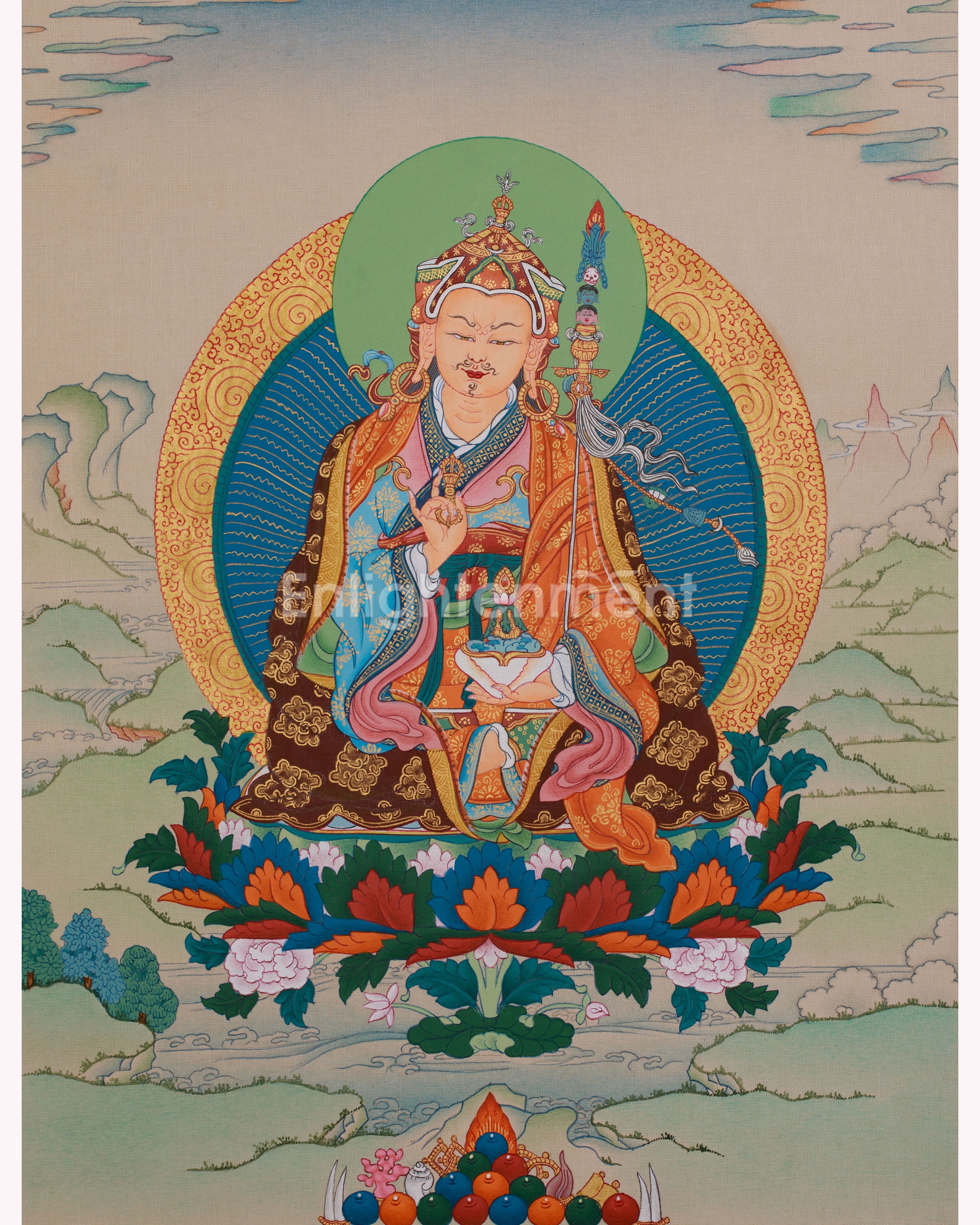
Precious Teacher Guru Rinpoche | Embodiment of Vajrayana Power
Sale price$310.00
10 x 13 Inches
+1
Free Brocade
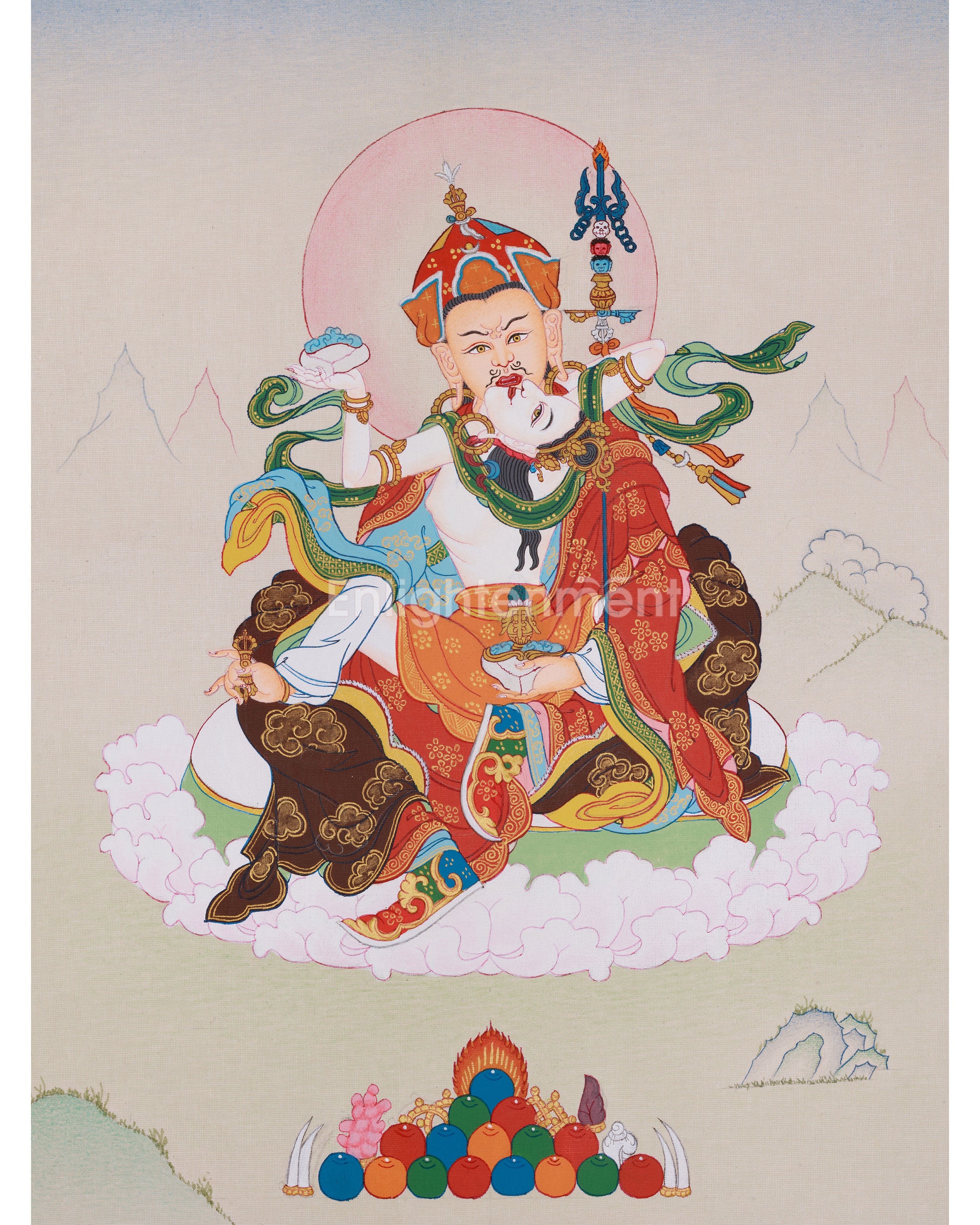
Sacred Art of Guru Rinpoche With Consort | A Divine Representation of Wisdom
Sale price$160.00
9 x 12 Inches
+1
Free Brocade
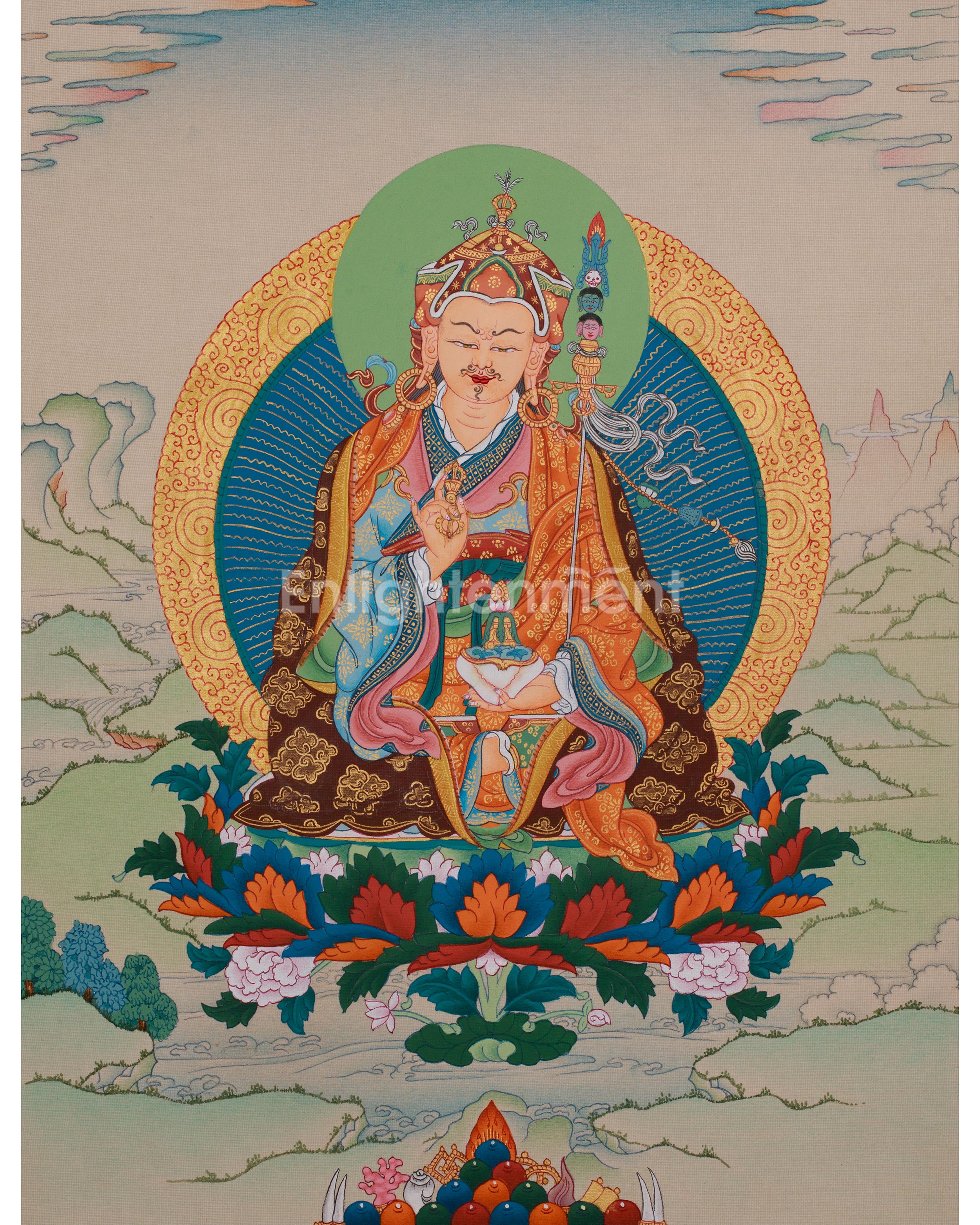
Himalayan Artwork of Guru Rinpoche | Spiritual Teacher | Enlightened Wisdom
Sale price$310.00
10 x 13 Inches
+1
Free BrocadeNatural Mineral Colors
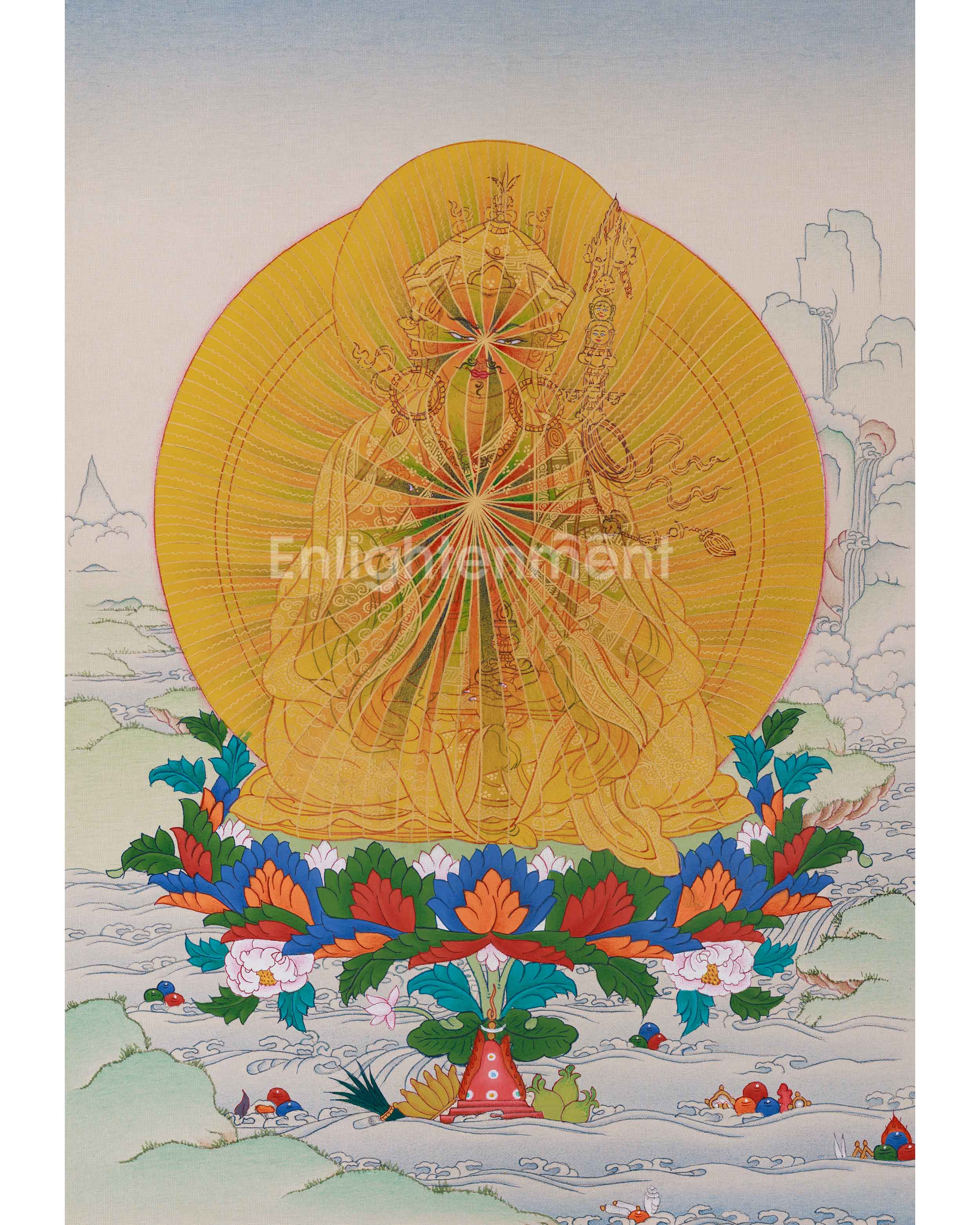
13 Inch Handmade Guru Padmasambhava Thangka | Guru Rinpoche in Rainbow
Sale price$550.00
9 x 13 Inches
+1
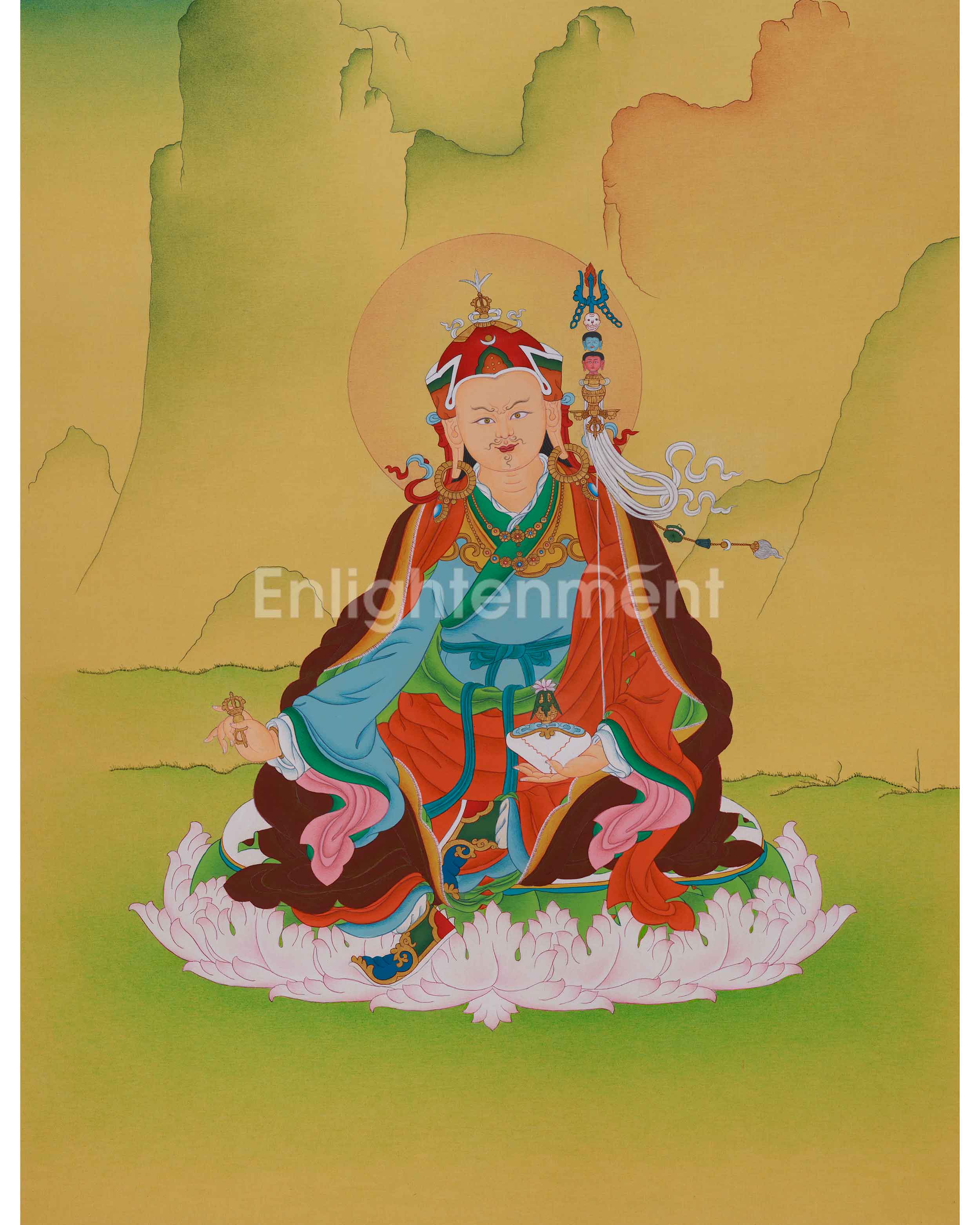
Free BrocadeNatural Mineral Colors
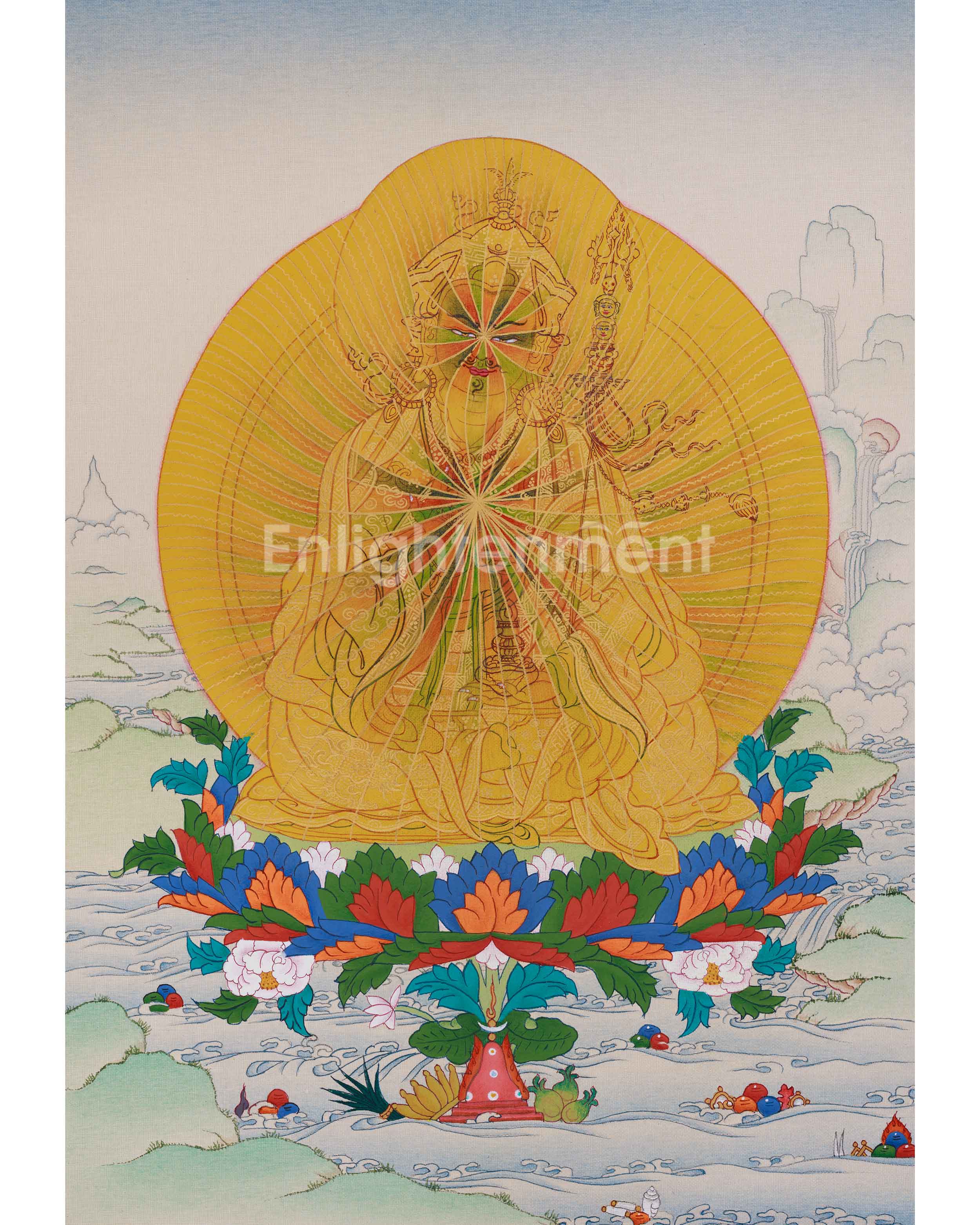
33cm Himalayan Guru Rinpoche Painting | The Lotus Born Master
Sale price$550.00
9 x 13 Inches
+1
Free BrocadeNatural Mineral Colors
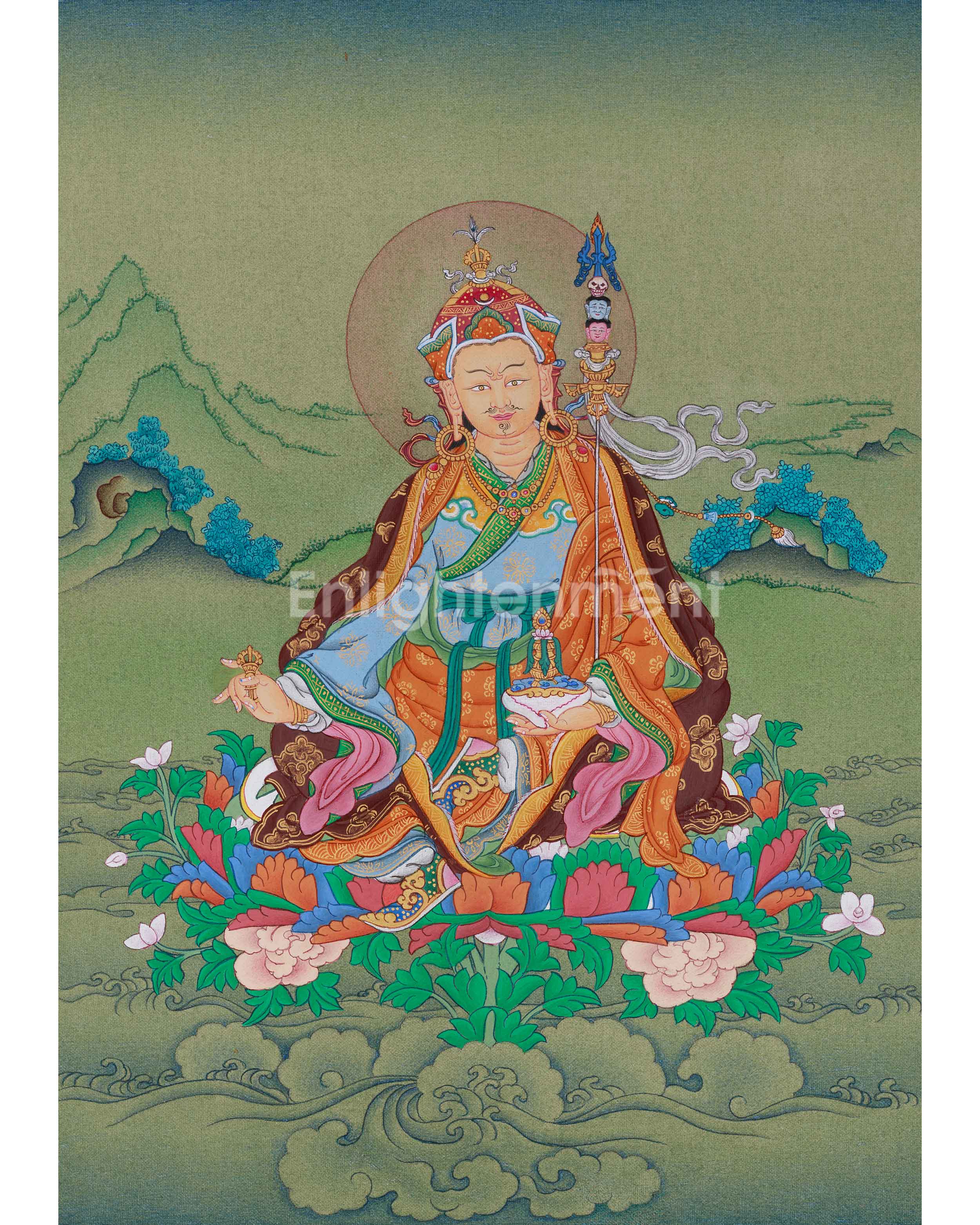
Buddhist Master Guru Rinpoche Thangka | Spiritual Decor
Sale price$550.00
9 x 13 Inches
+1
Free Brocade

61 cm Tibetan Guru Rinpoche Painting | Padmasambhava Artwork
Sale price$550.00
18 x 24 Inches
+1
Free BrocadeNatural Mineral Colors

Thangka of Enlightened Master Guru Rinpoche | Second Buddha of Enlightenment and Protection
Sale price$1,150.00
18 x 24 Inches
+1
Free Brocade

Handmade Spiritual Teacher Guru Rinpoche Thangka | Tantric Guide & Protector of the Dharma
Sale price$460.00
18 x 24 Inches
+1
Free BrocadeNatural Mineral Colors
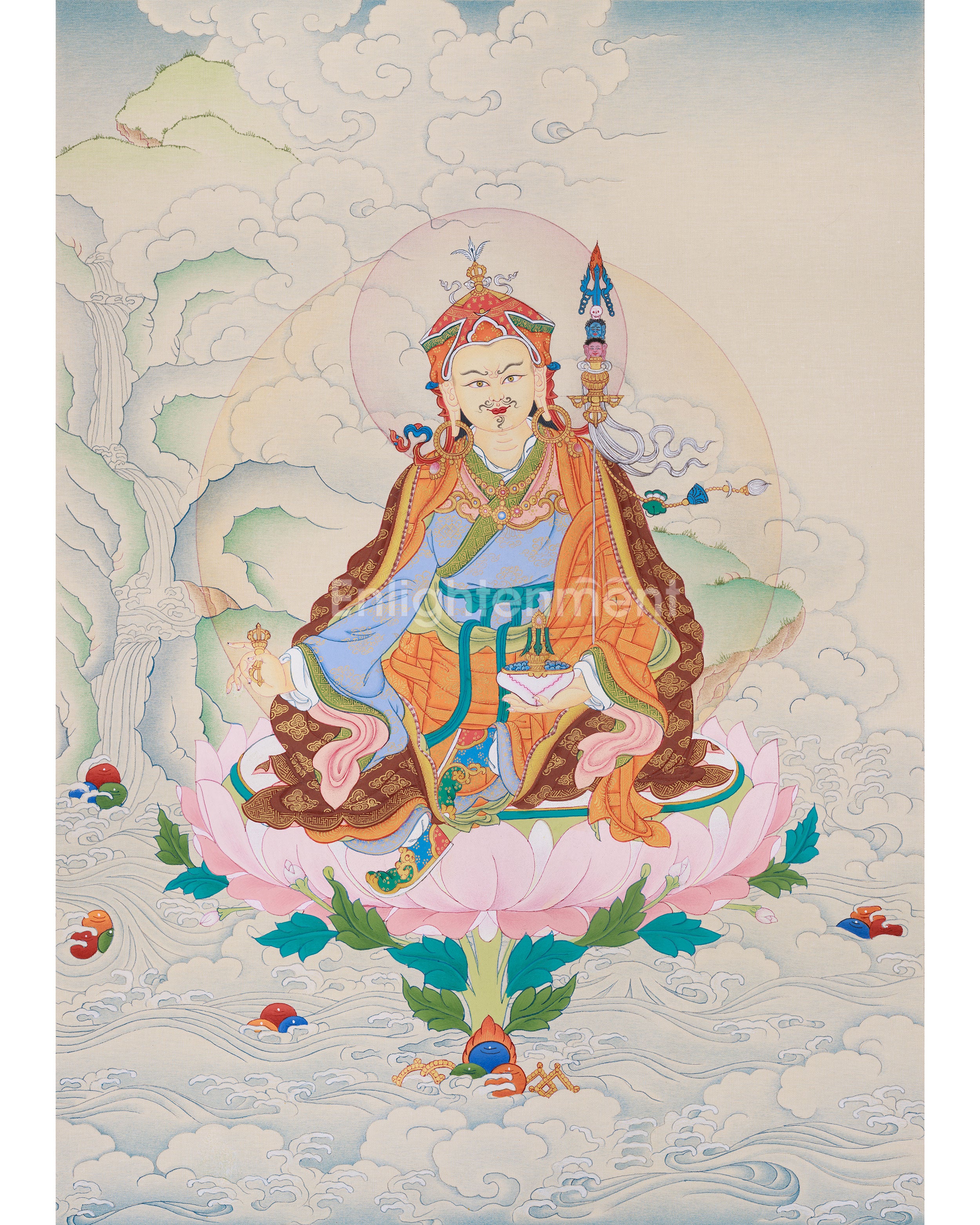
Padmasambhava | The Sacred Thangka of Guru Rinpoche, the Second Buddha
Sale price$740.00
14 x 20 Inches
+1
Free BrocadeNatural Mineral Colors
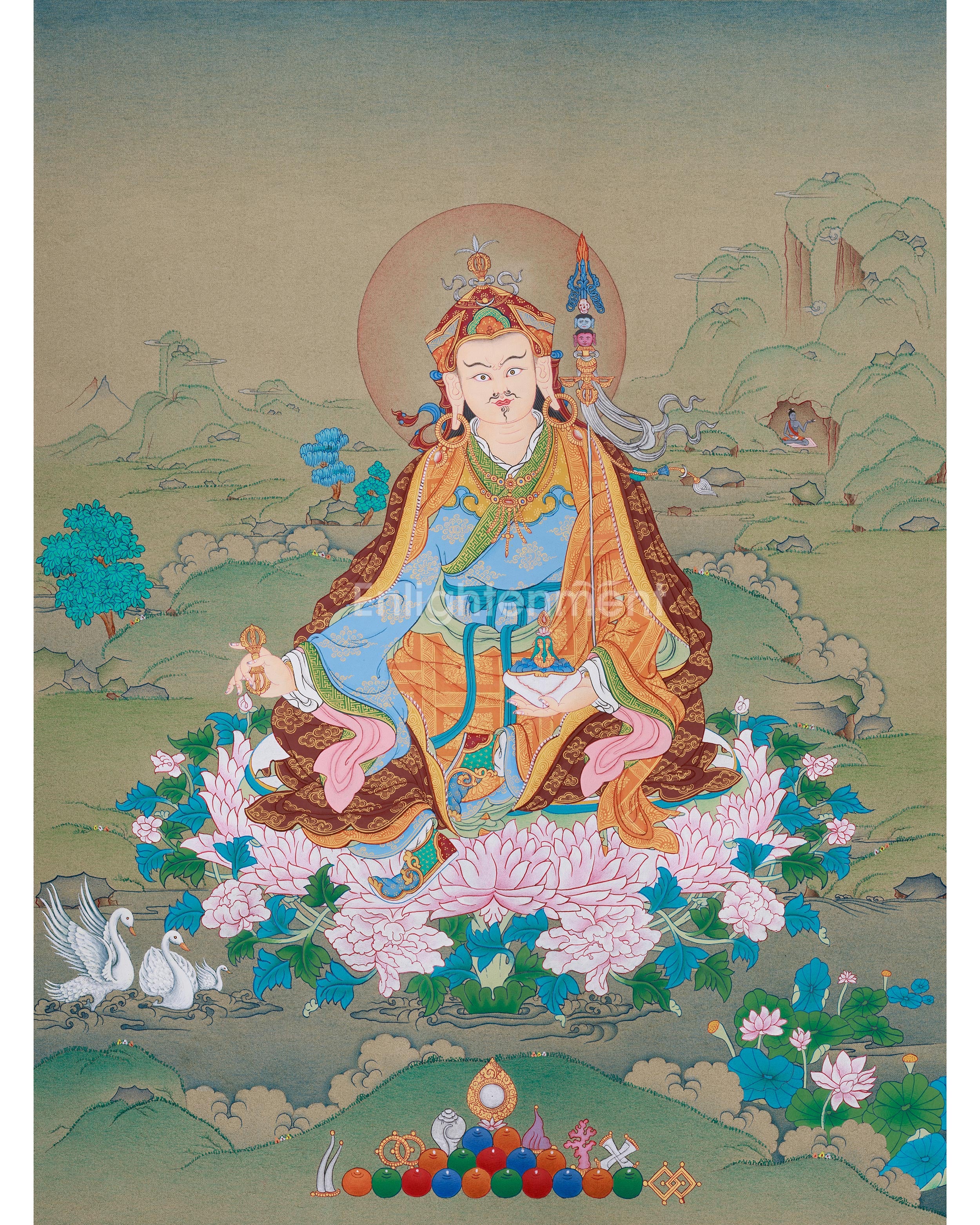
Thangka of Tantric Master Guru Rinpoche | Padmasambhava Artwork
Sale price$1,150.00
18 x 24 Inches
+1
Free BrocadeNatural Mineral Colors
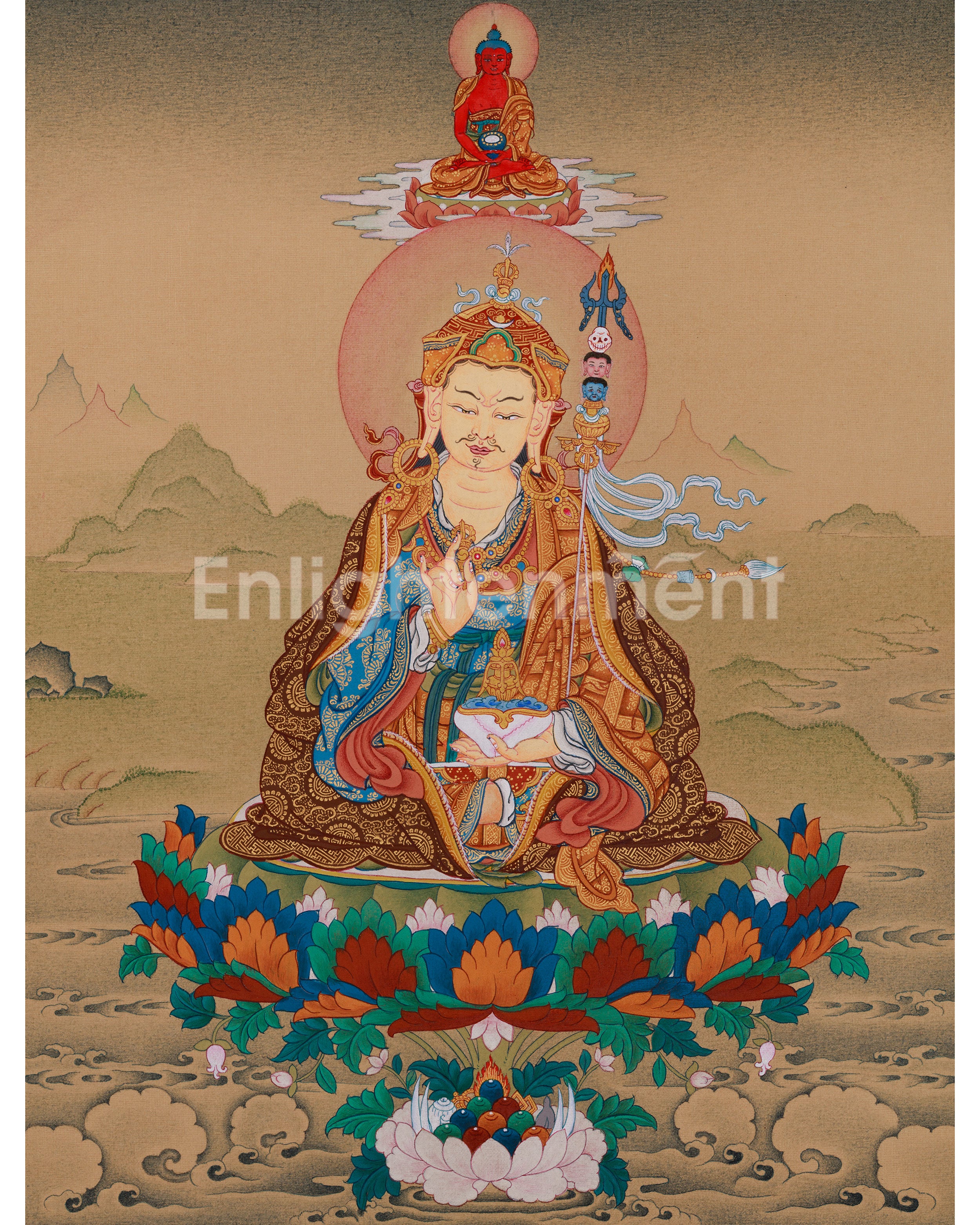
Peaceful Guru Rinpoche With Amitabha Buddha | Second Buddha and Buddha of Longevity
Sale price$820.00
10 x 13 Inches
+1
Free Brocade
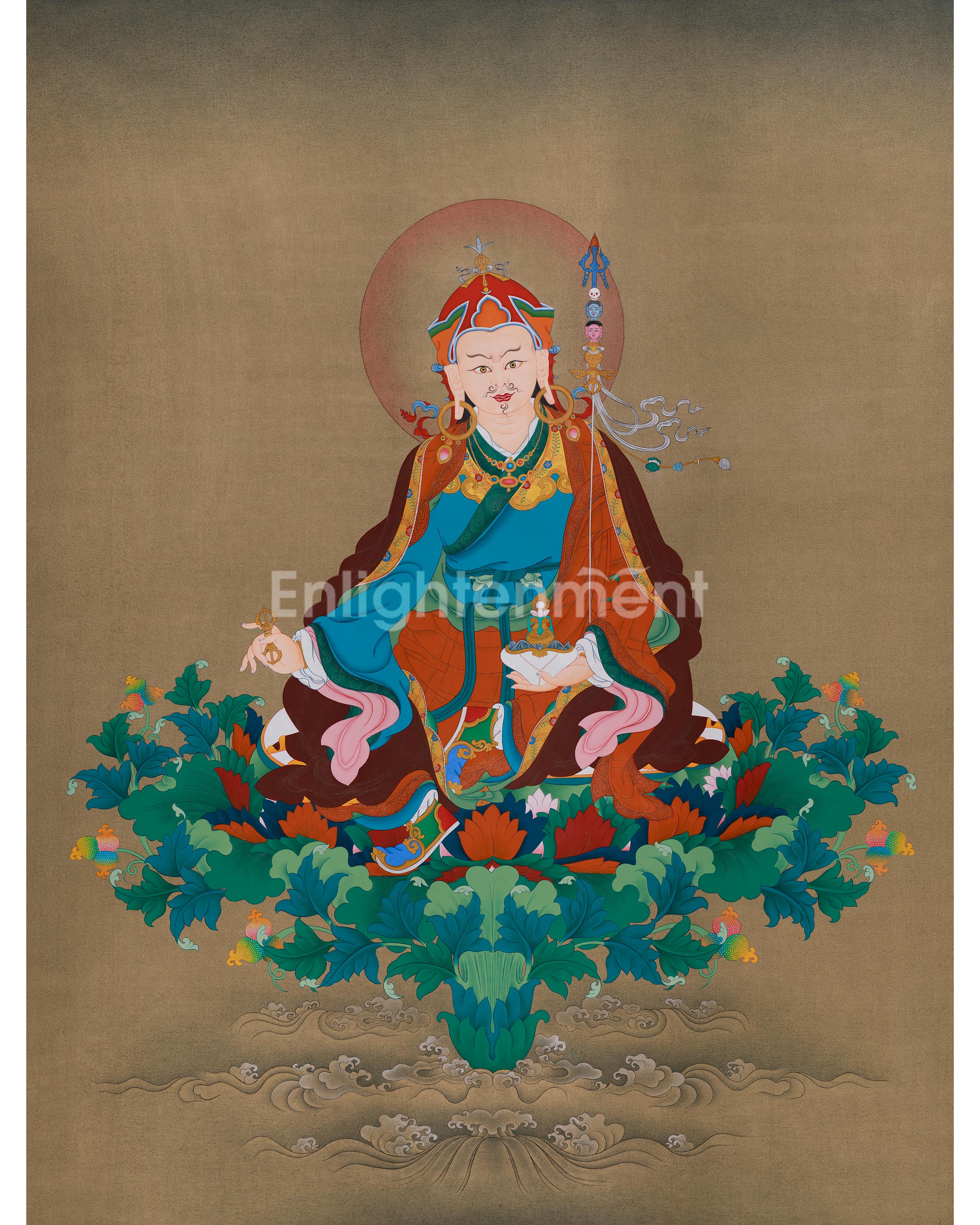
Traditional Padmasambhava Artwork | Thangka of the Guru Rinpoche, Second Buddha
Sale price$3,975.00
40 x 50 Inches
+1
Free Brocade
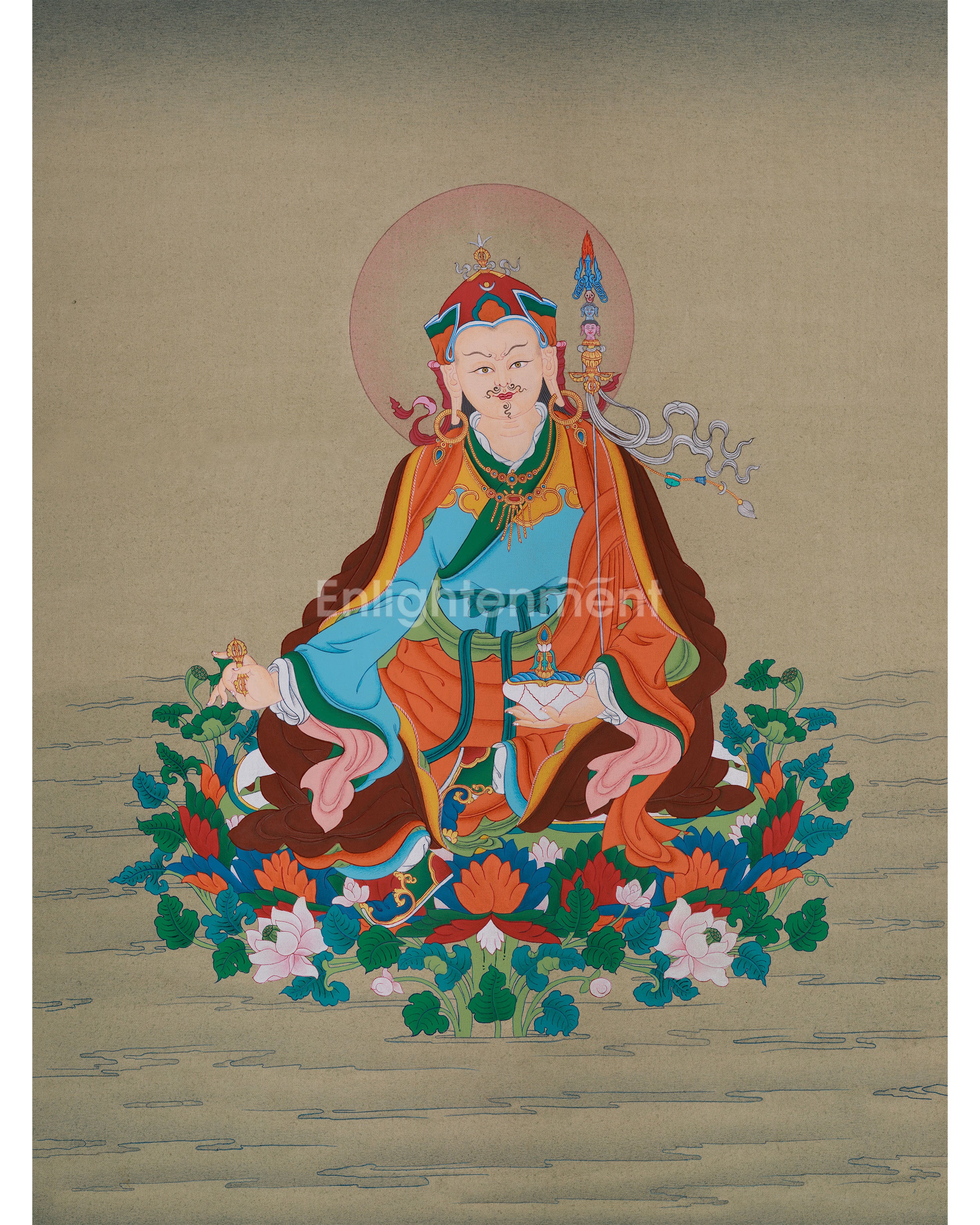
Guru Rinpoche, Precious Master | Protector of Dharma and Spiritual Liberation
Sale price$550.00
18 x 24 Inches
+1
Free BrocadeNatural Mineral Colors
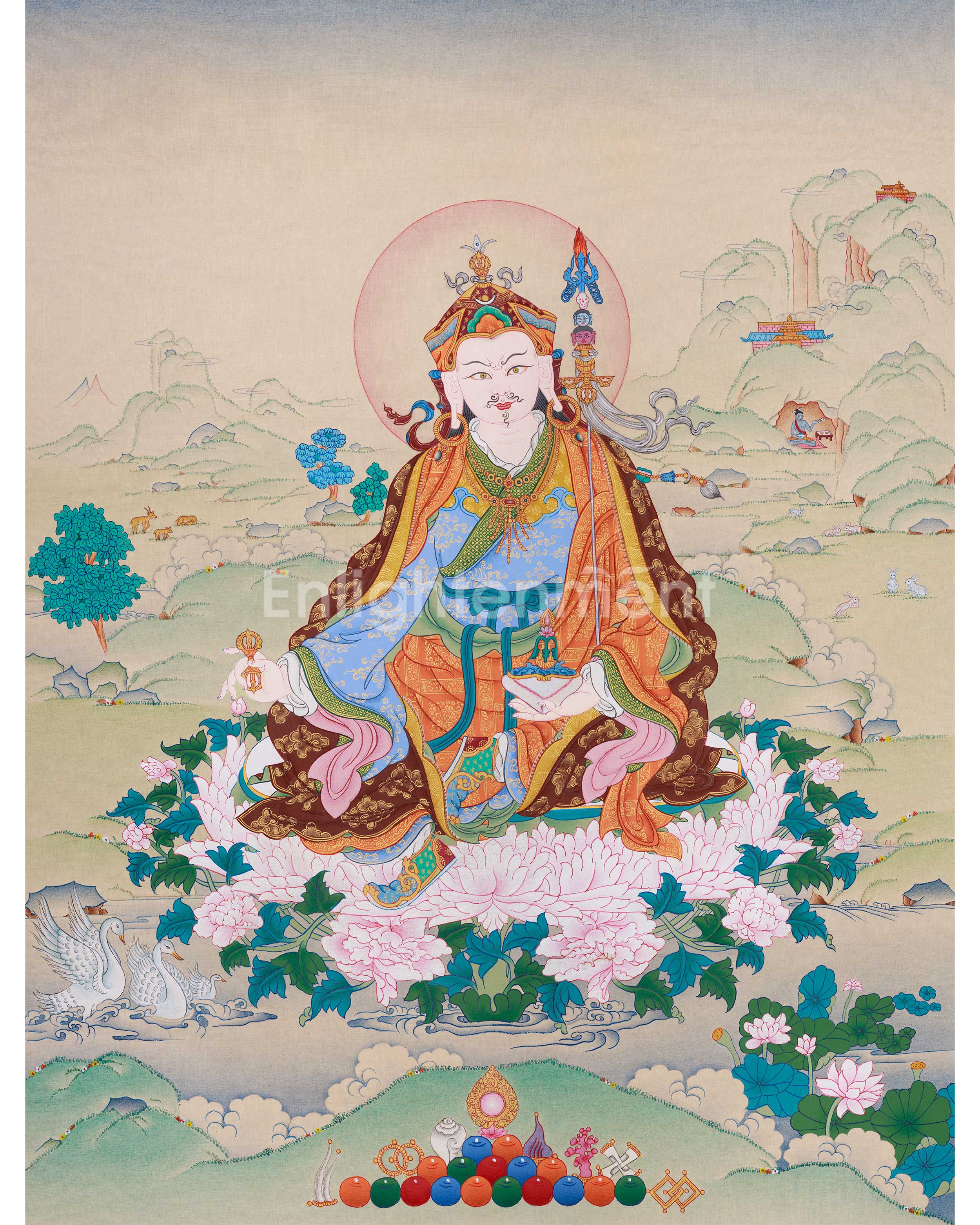
Tibetan Guru Rinpoche Artwork | Padmasambhava Lotus-Born Master
Sale price$1,150.00
18 x 24 Inches
+1
Free Brocade
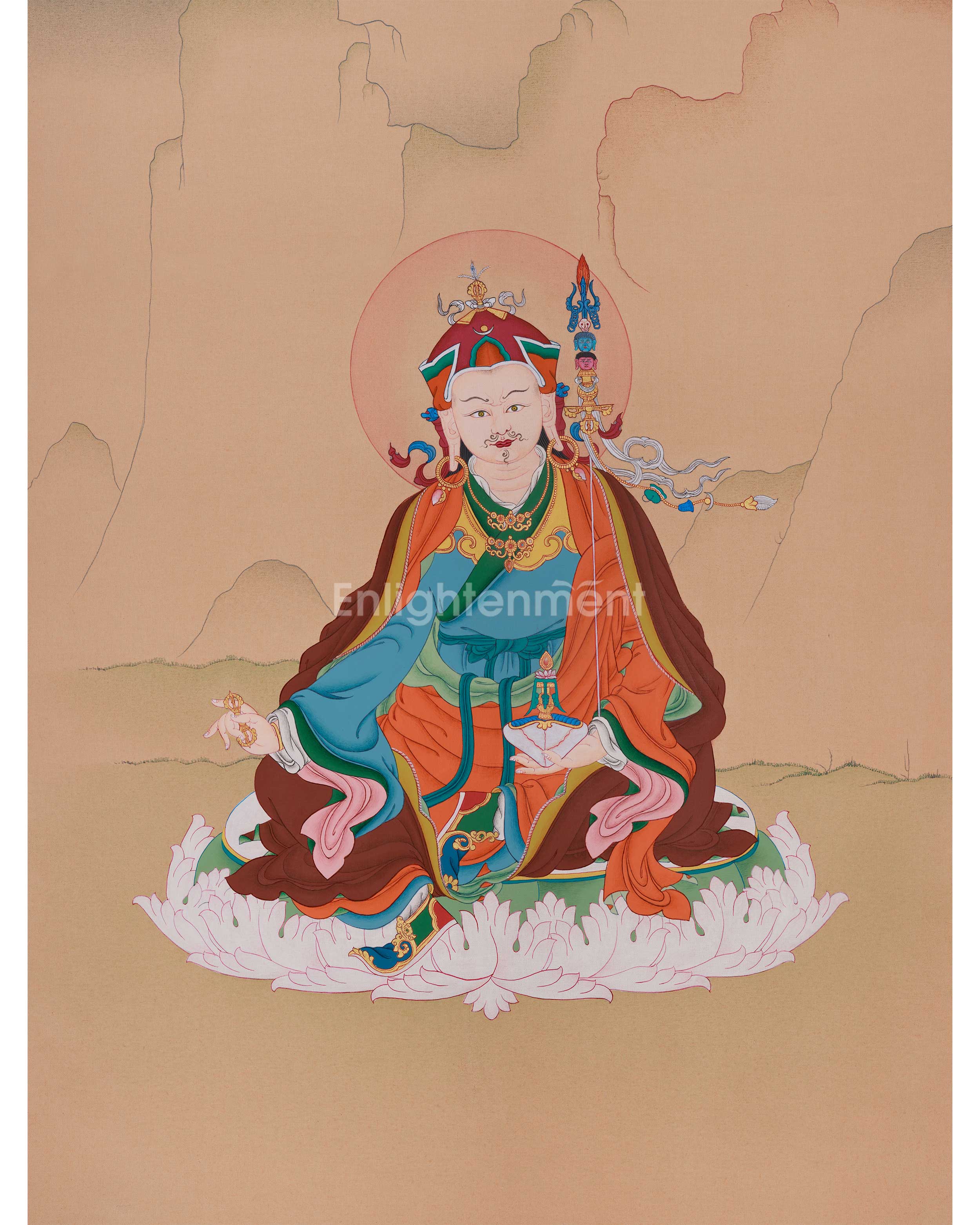
Minimalist Guru Rinpoche Thangka | Spiritual Awakening & Enlightenment
Sale price$550.00
18 x 24 Inches
+1