
Free BrocadeNatural Mineral Colors
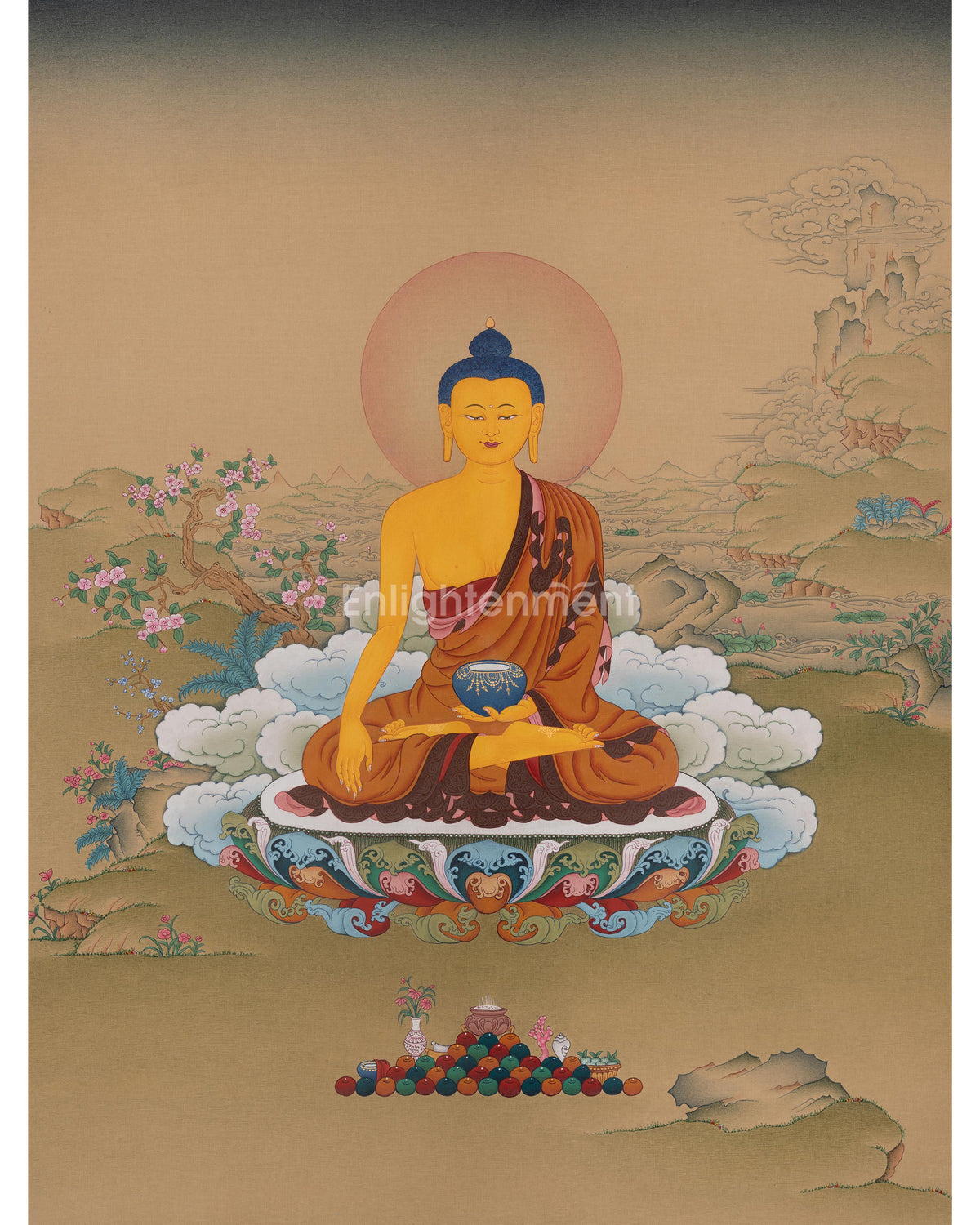
Siddhartha Gautama Thangka Art | Shakyamuni Buddha
Sale price$1,880.00
18 x 24 Inches
+1
Free BrocadeNatural Mineral Colors
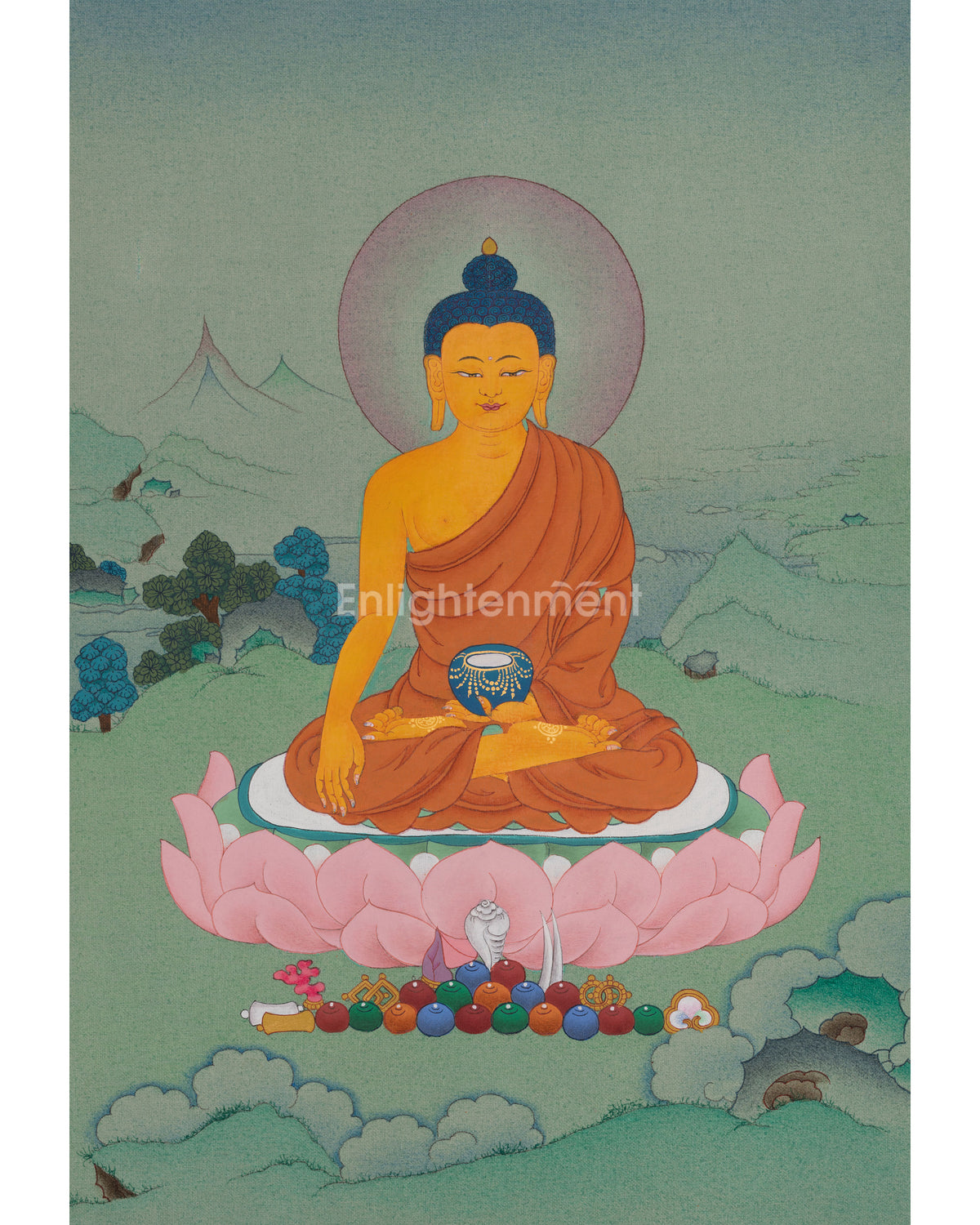
Shakyamuni Buddha Buddhist Art | Awakened One | Sage of The Shakya Clan
Sale price$550.00
9 x 13 Inches
+1
Free BrocadeNatural Mineral Colors

Shakyamuni Spiritual Art | Sage Of The Shakya Clan | Founder Of Buddhism
Sale price$550.00
9 x 13 Inches
+1
Free BrocadeNatural Mineral Colors
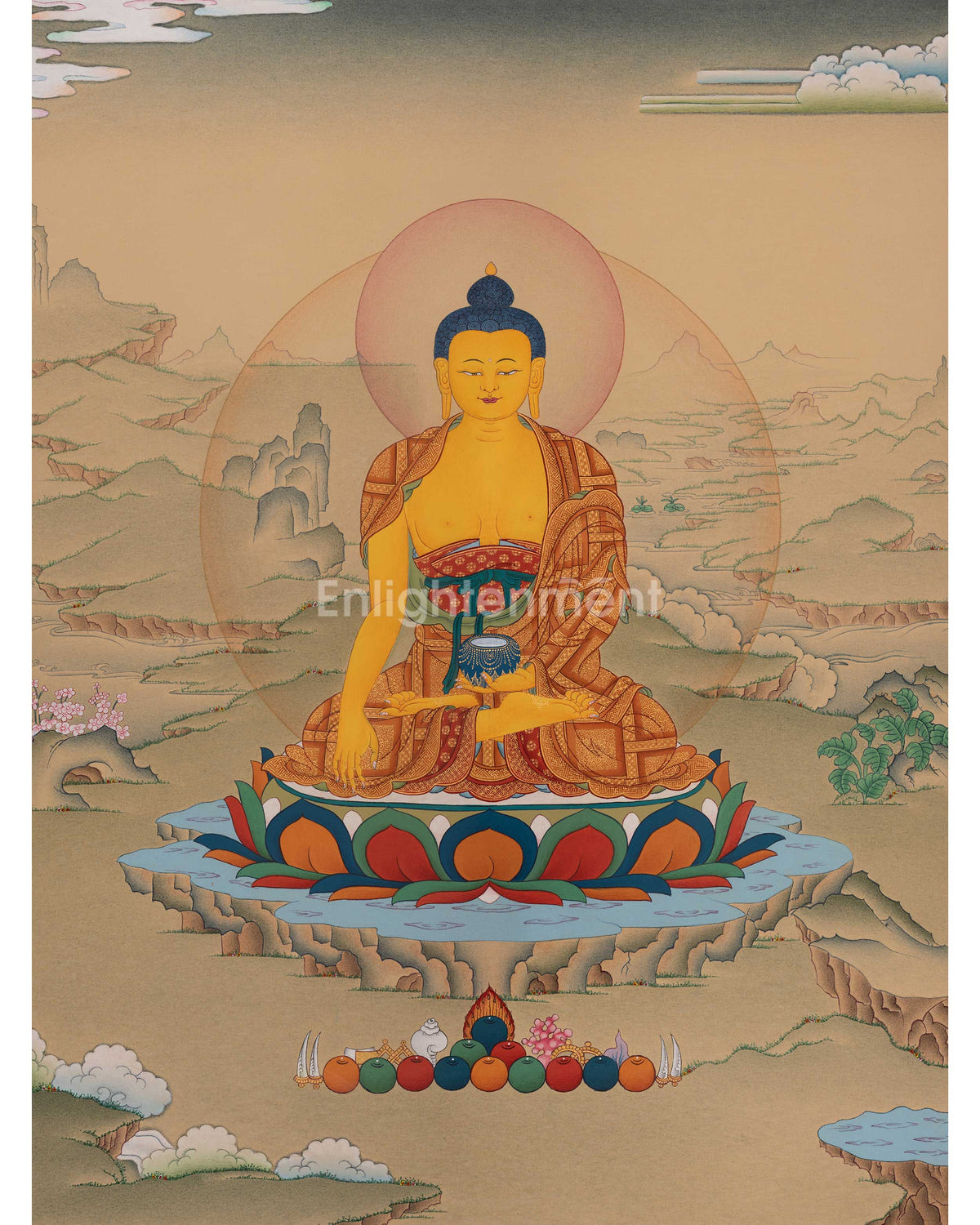
Shakyamuni Buddha Spiritual Artwork | Dharma Teacher | Siddhartha Gautama
Sale price$1,880.00
18 x 24 Inches
+1
Free BrocadeNatural Mineral Colors

Shakyamuni Buddha Enlightened Teacher Thangka | Spiritual Awakening
Sale price$550.00
9 x 13 Inches
+1
Free BrocadeNatural Mineral Colors
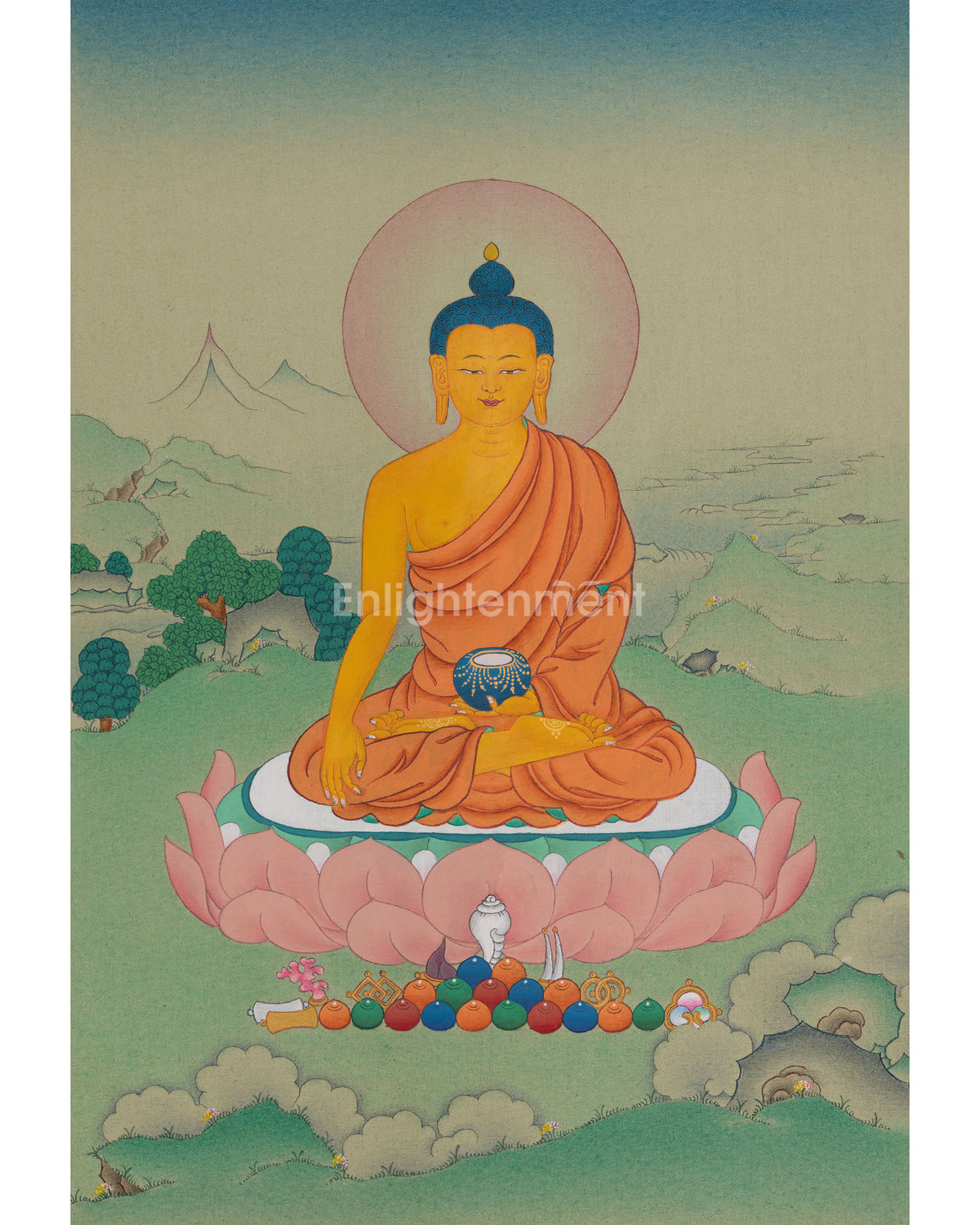
Shakyamuni Meditation Art | Historical Founder of Buddhism
Sale price$550.00
9 x 13 Inches
+1
Free BrocadeNatural Mineral Colors
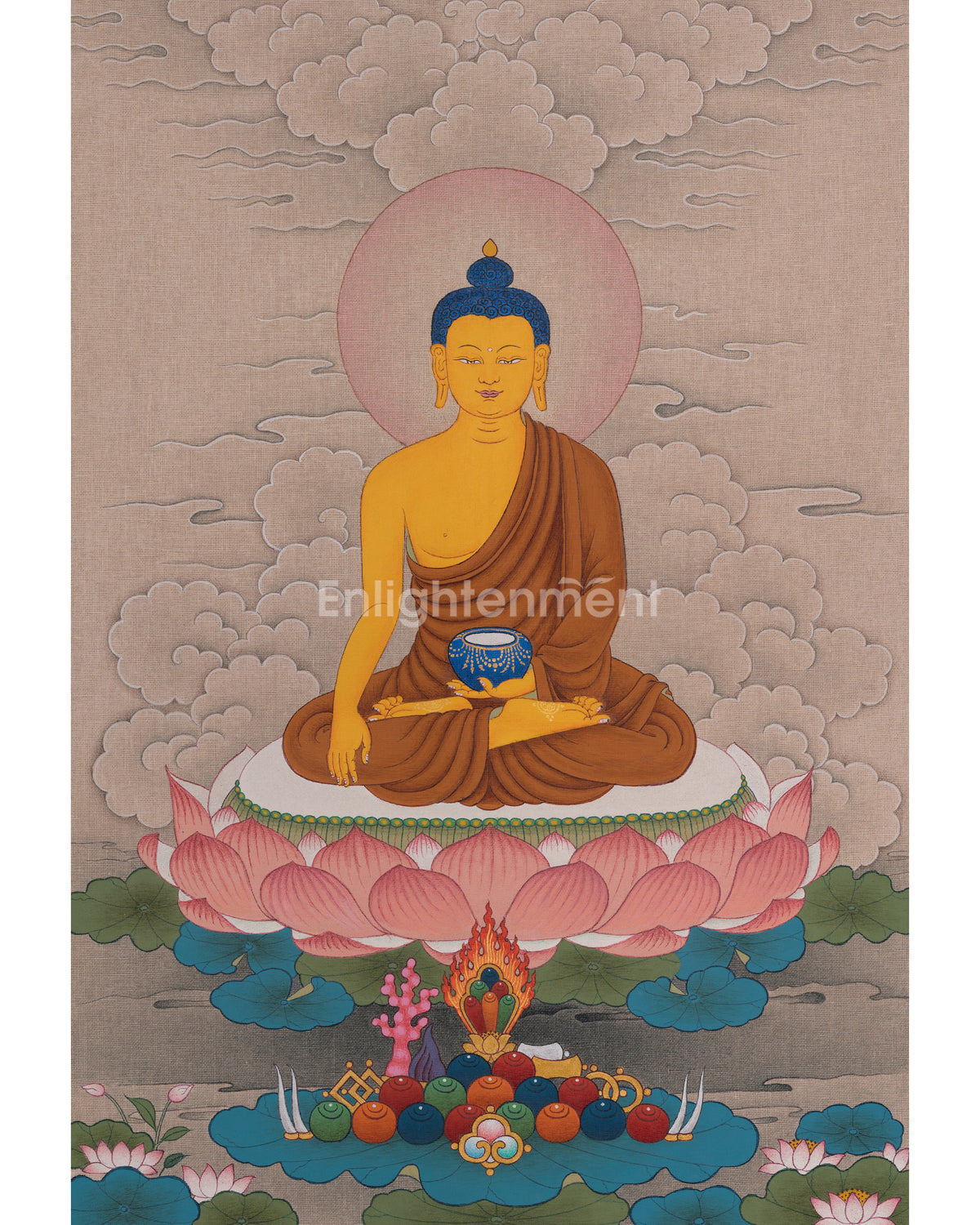
Shakyamuni Buddha Sacred Painting | Traditional Representation of Buddhist Awakening
Sale price$820.00
9 x 13 Inches
+1
Free BrocadeNatural Mineral Colors
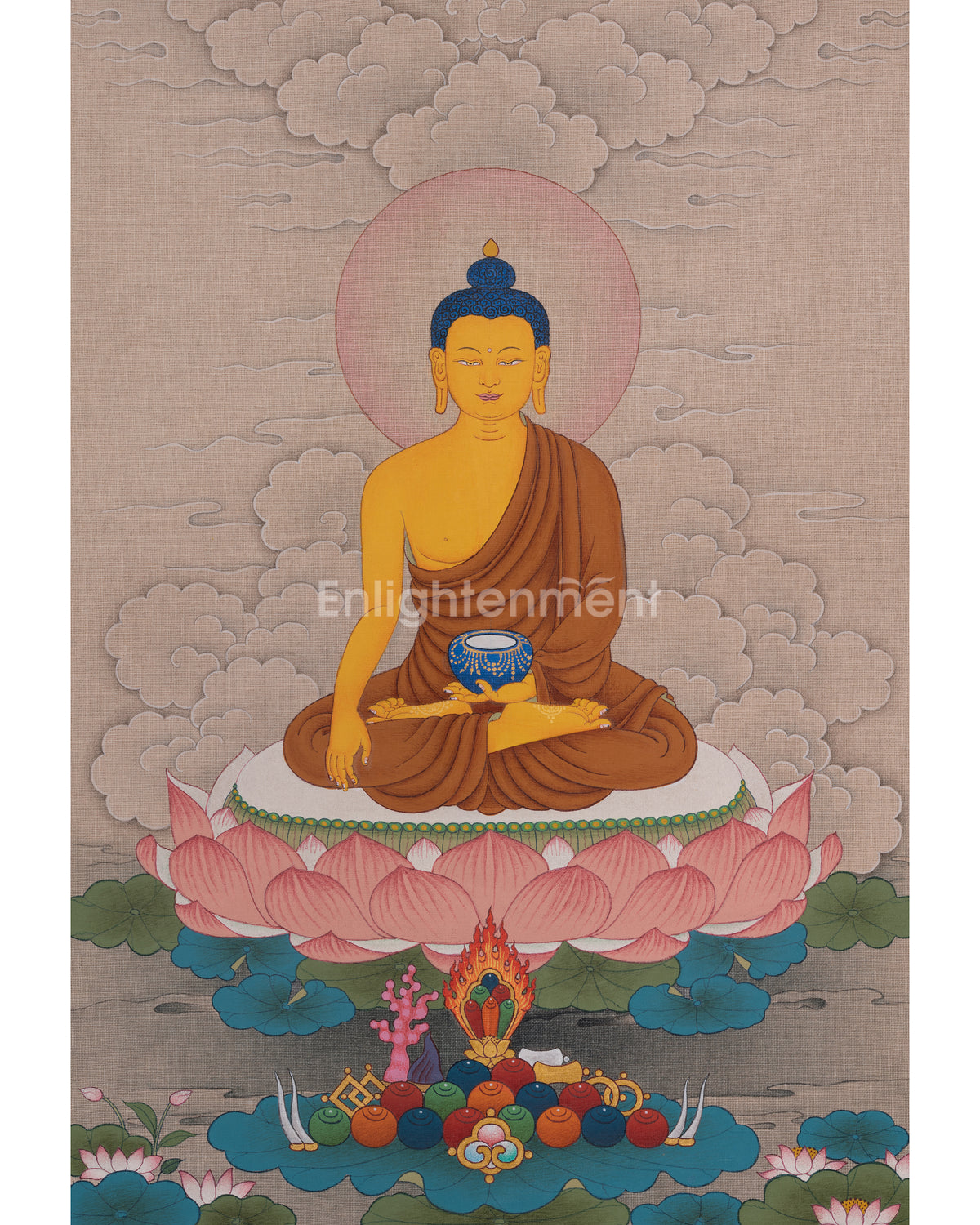
Shakyamuni Buddha Traditional Artwork | Represents the Enlightenment and Compassion
Sale price$820.00
9 x 13 Inches
+1
Make An Offer
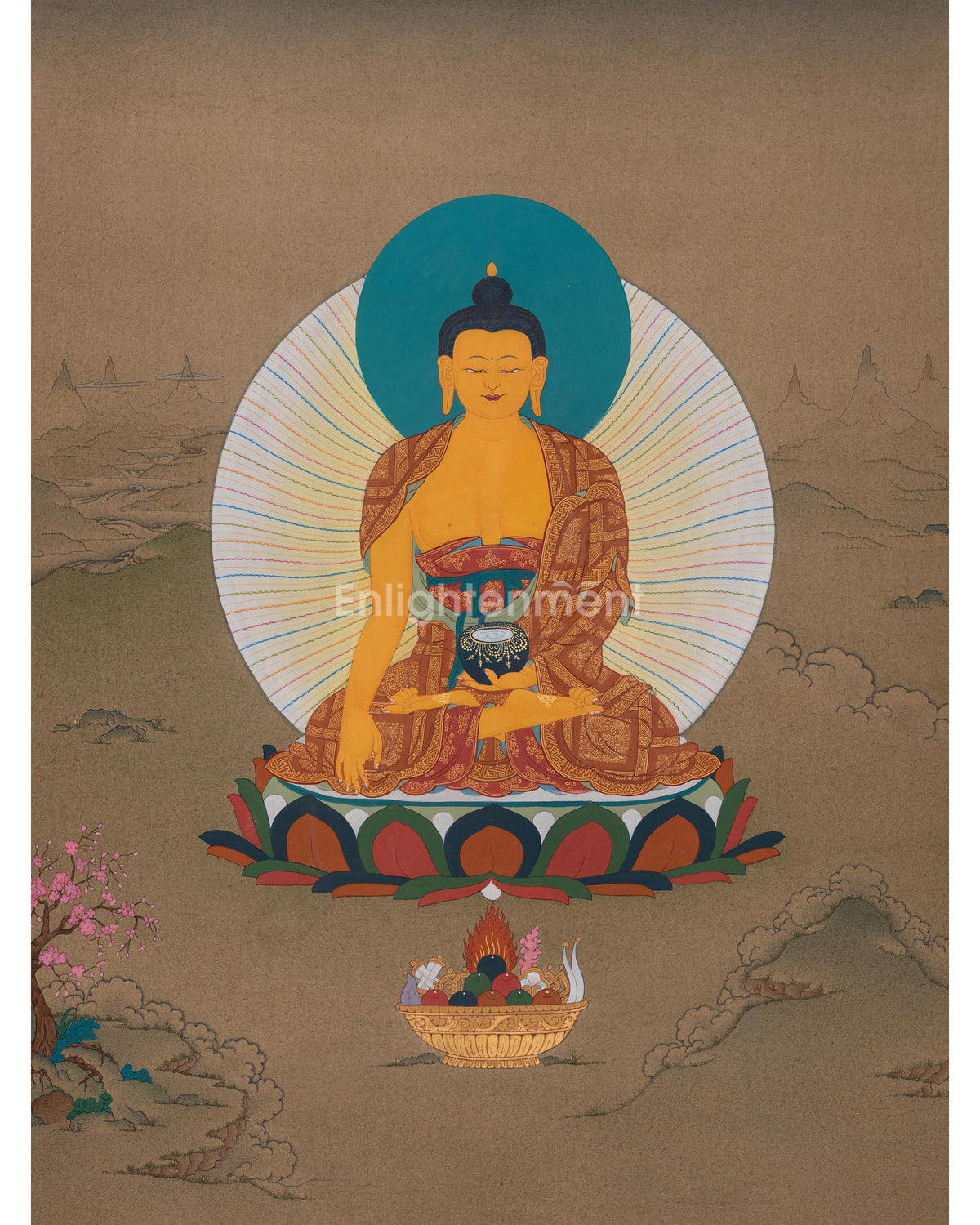
Siddhartha Gautama Meditation Art | Shakyamuni Buddha | Traditional Painting
Sale price$415.00
18 x 24 Inches
+1
Free BrocadeNatural Mineral Colors

Shakyamuni Buddha Buddhist Thangka | Sacred Artwork of Enlightenment and Wisdom
Sale price$1,880.00
18 x 24 Inches
+1
Free Brocade
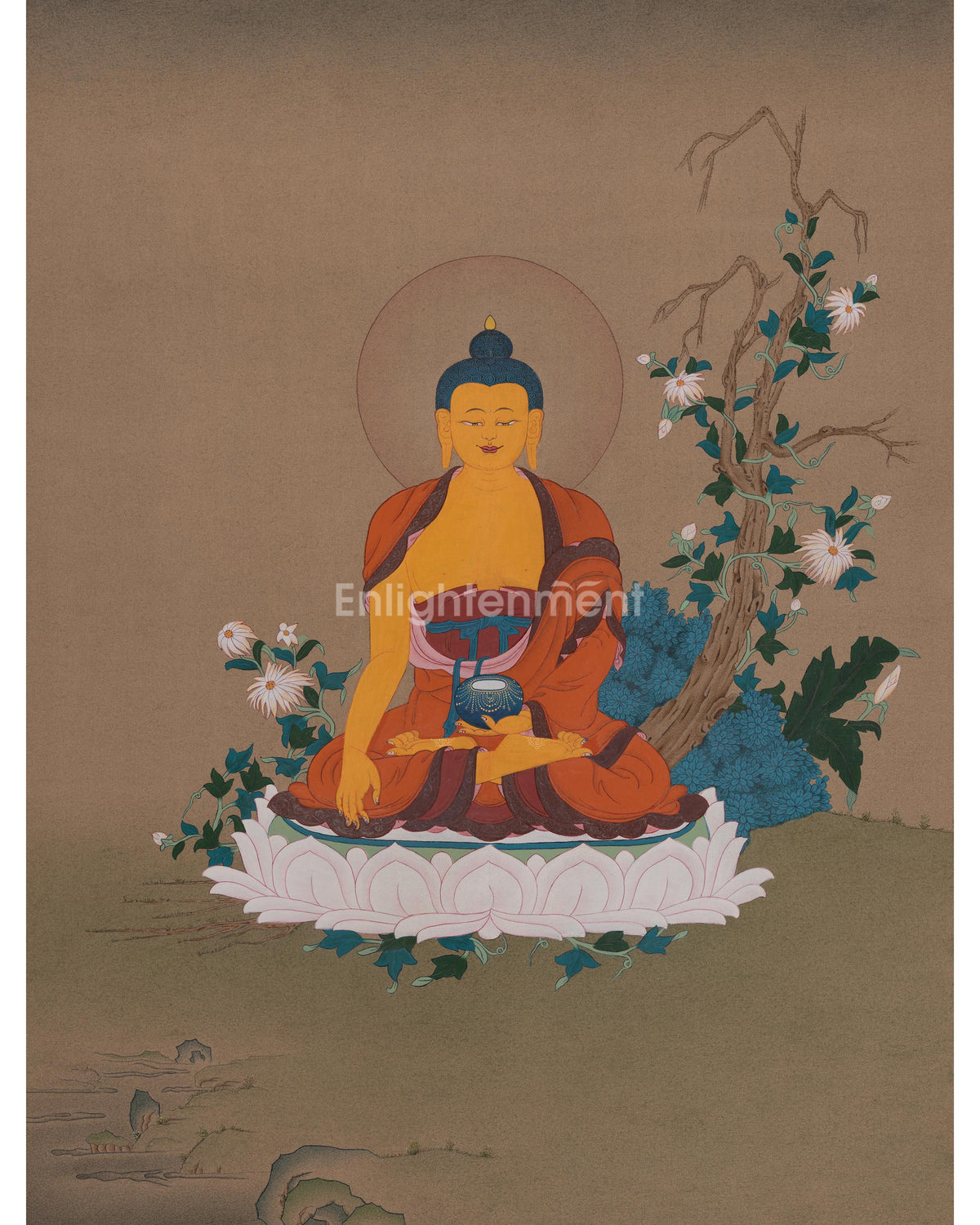
Siddhartha Gautama Buddha Thangka | Shakyamuni Historical Buddha Artwork
Sale price$550.00
18 x 24 Inches
+1
Free Brocade
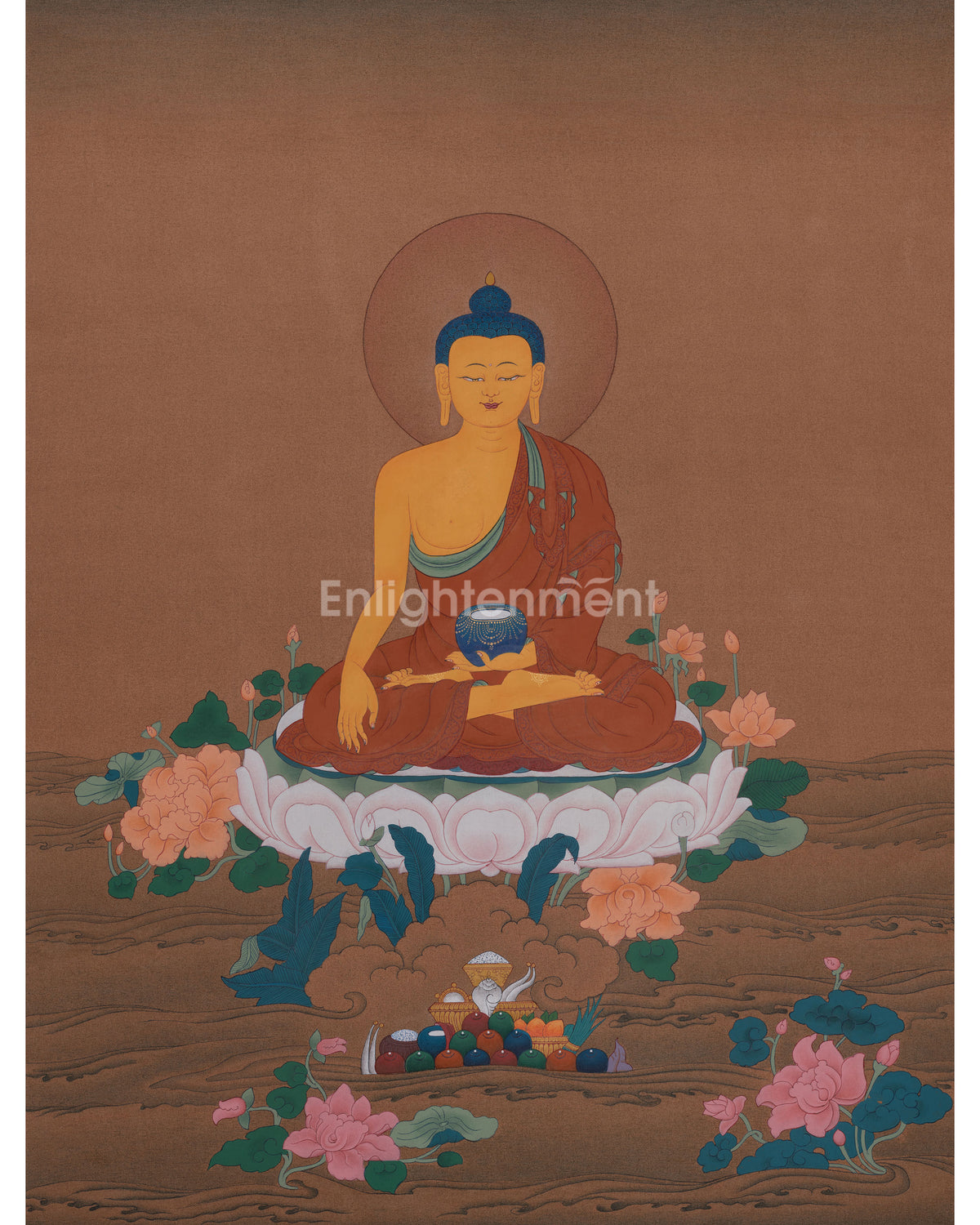
Shakyamuni Buddha Sacred Thangka | Siddhartha Gautam | Enlightened Master Painting
Sale price$550.00
18 x 24 Inches
+1
Free BrocadeNatural Mineral Colors

Historical Buddha Shakyamuni Spiritual Art | Siddhartha Gautama | Sage of The Shakya Clan
Sale price$1,880.00
18 x 24 Inches
+1
Free BrocadeNatural Mineral Colors
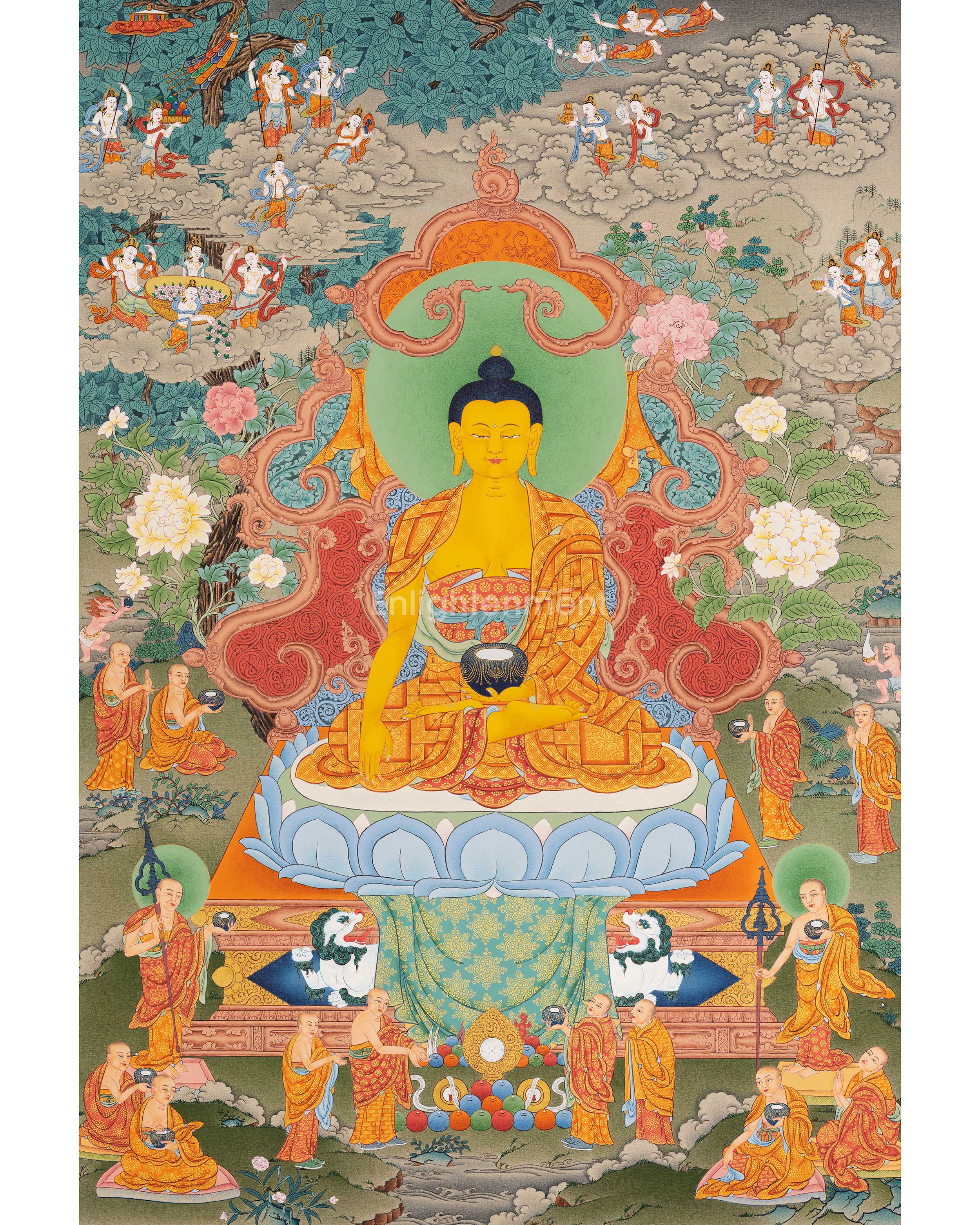
Tibetan Shakyamuni Buddha Thangka | Hand Painted Art for Meditation
Sale price$2,455.00
20 x 30 Inches
+1
Free BrocadeNatural Mineral Colors
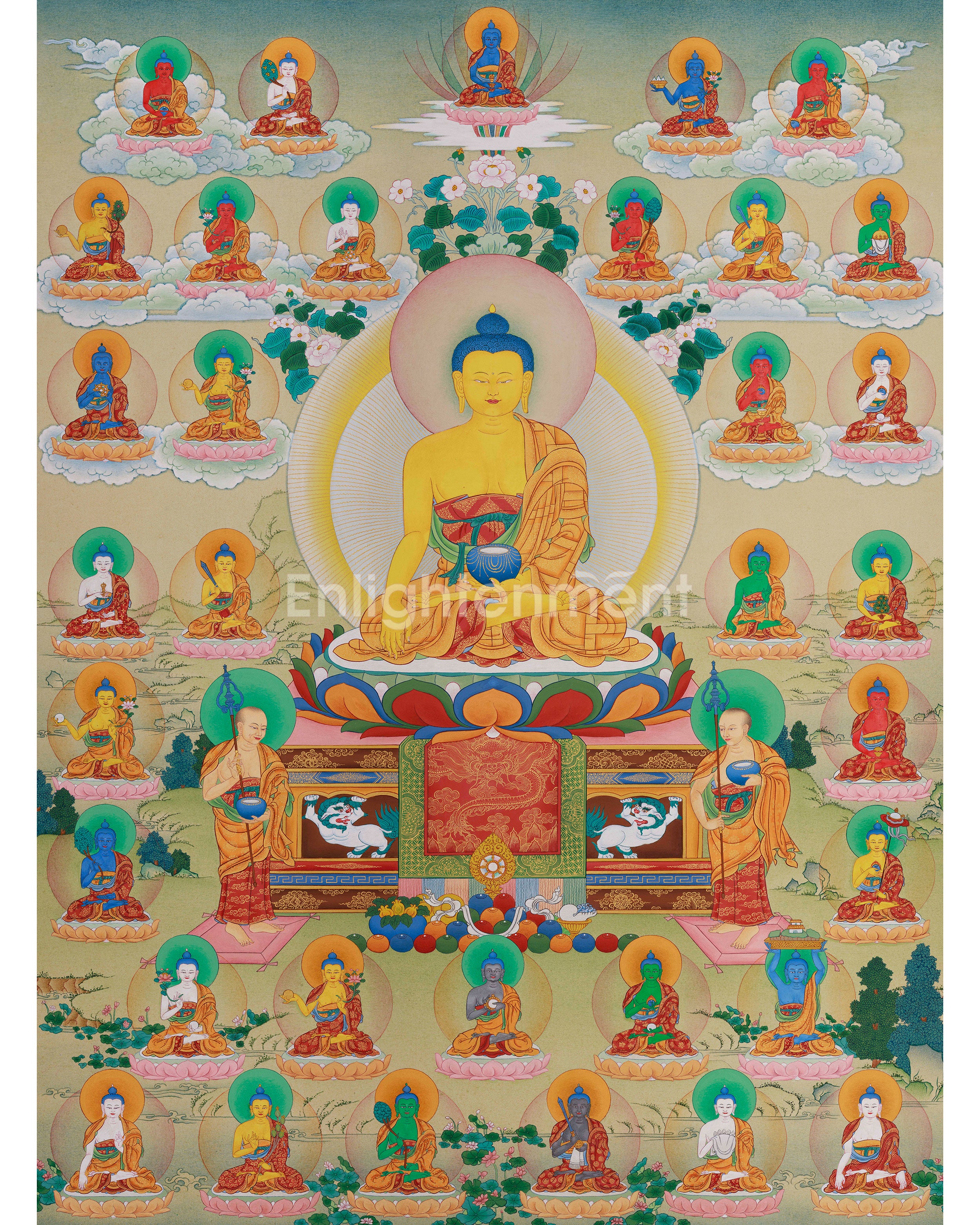
Traditional Thangka of 35 Buddhas | Spiritual Transformation and Practice
Sale price$3,395.00
20 x 30 Inches
+1
Free BrocadeNatural Mineral Colors
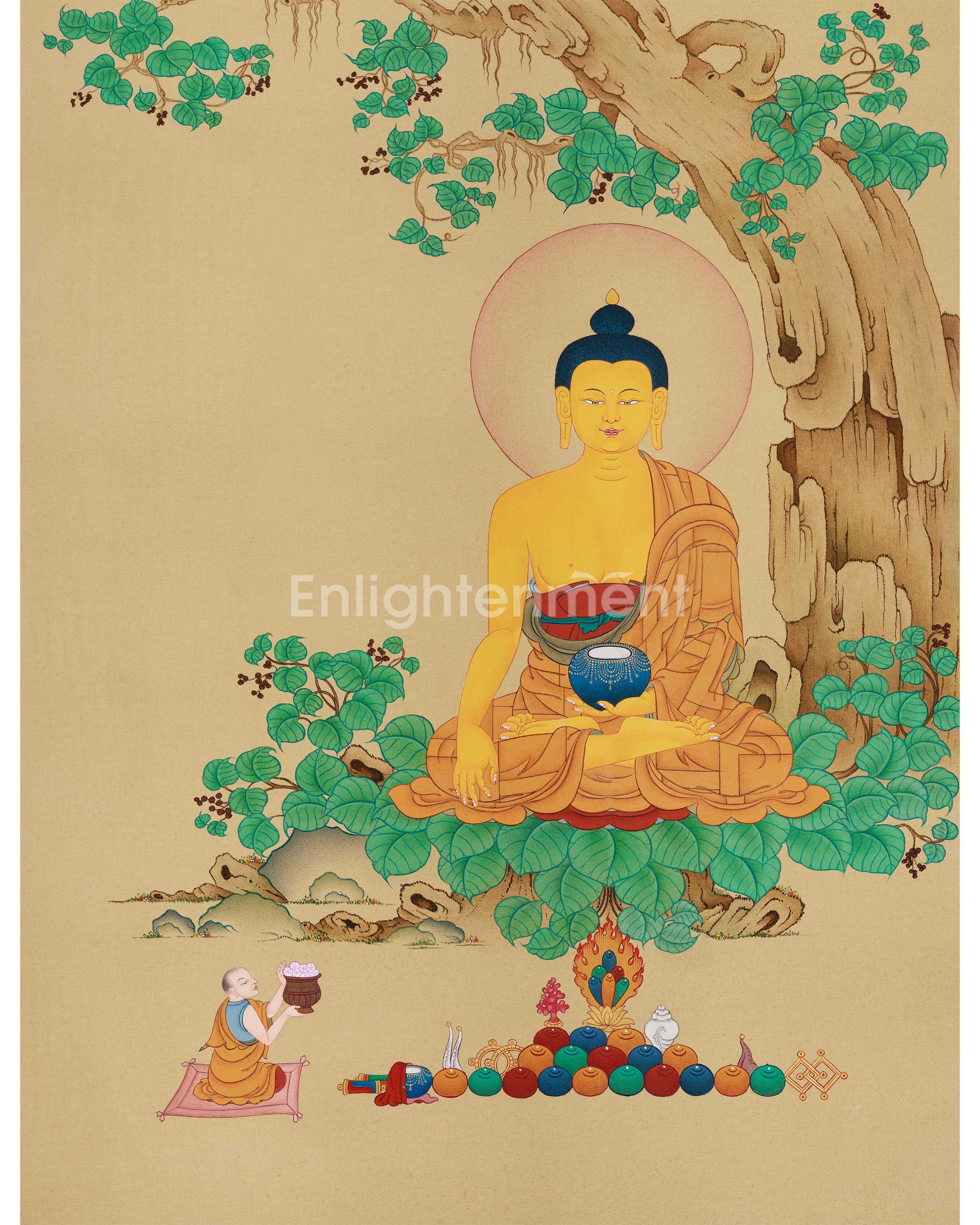
Enlightened Buddha, Siddhartha Gautama | Timeless Thangka of Wisdom and Serenity
Sale price$1,880.00
18 x 24 Inches
+1
Free BrocadeNatural Mineral Colors
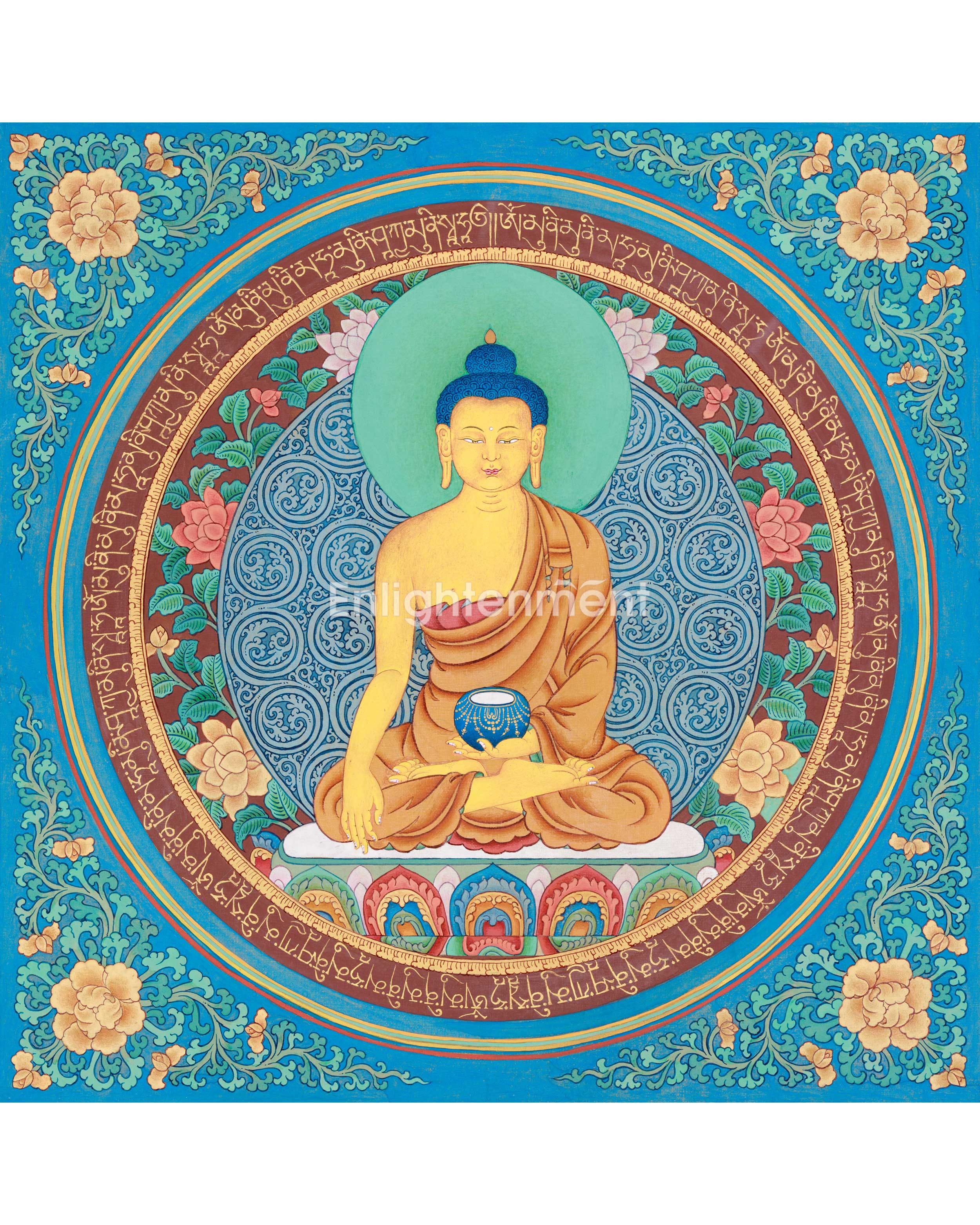
Unique Depiction of Buddha Shakyamuni Thangka
Sale price$1,050.00
12 x 12 Inches
+1
Free BrocadeNatural Mineral Colors
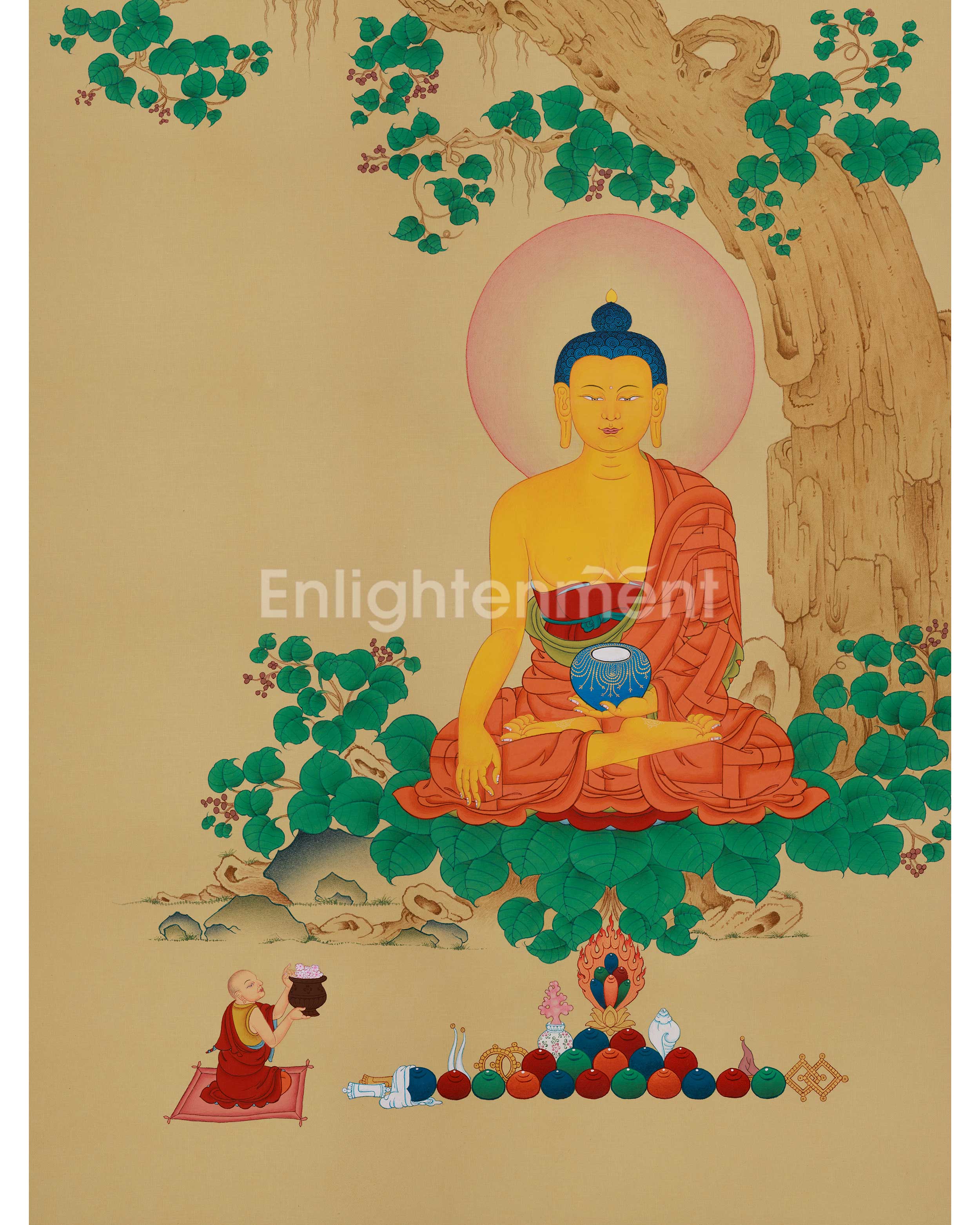
Peaceful Thangka of Shakyamuni Buddha | Founder of the Buddhist Religion
Sale price$1,880.00
18 x 24 Inches
+1
Free Brocade
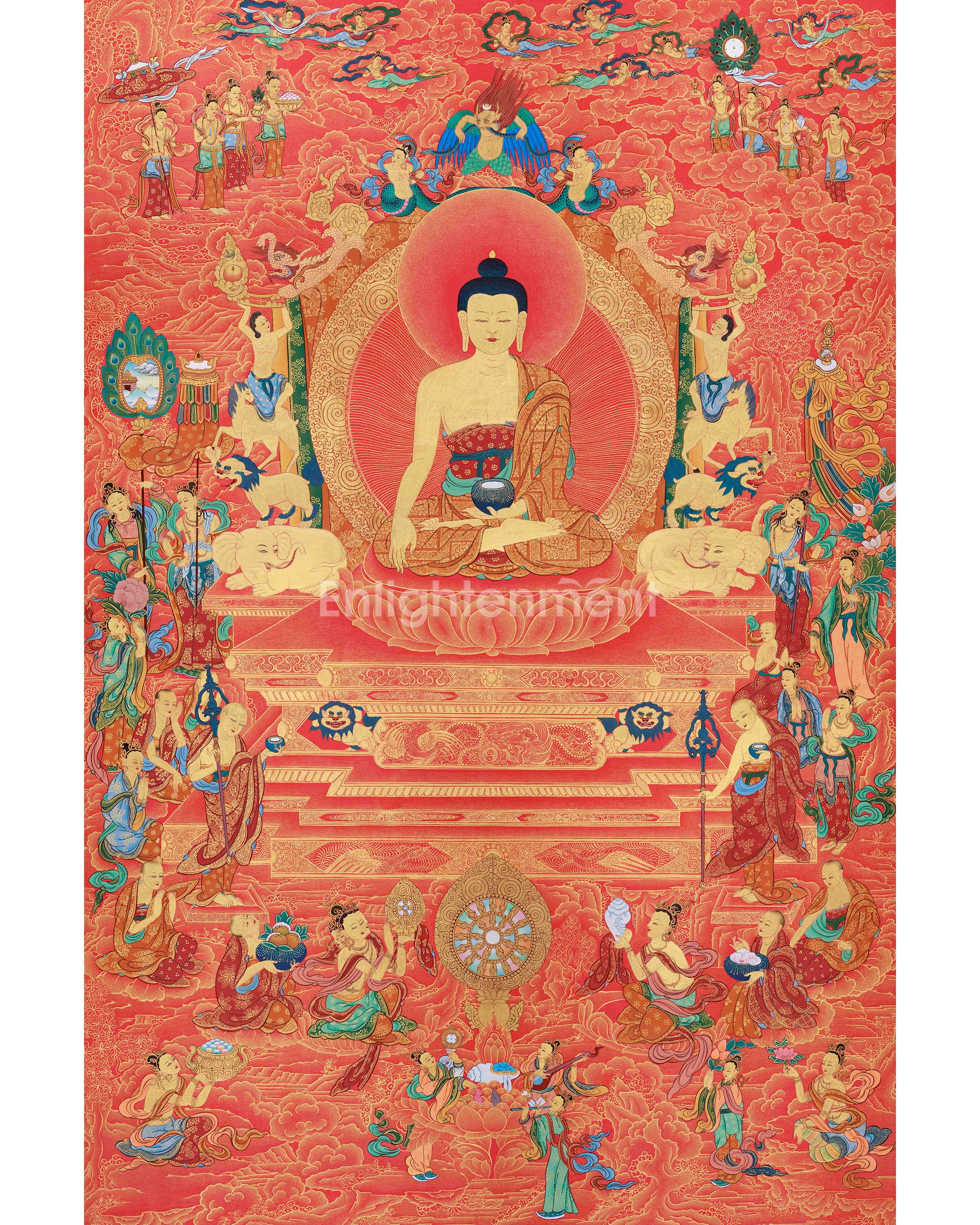
Siddhartha Gautama Buddha Thangka | The Enlightened One in Radiant Golden Splendor
Sale price$2,940.00
20 x 30 Inches
+1
Free Brocade
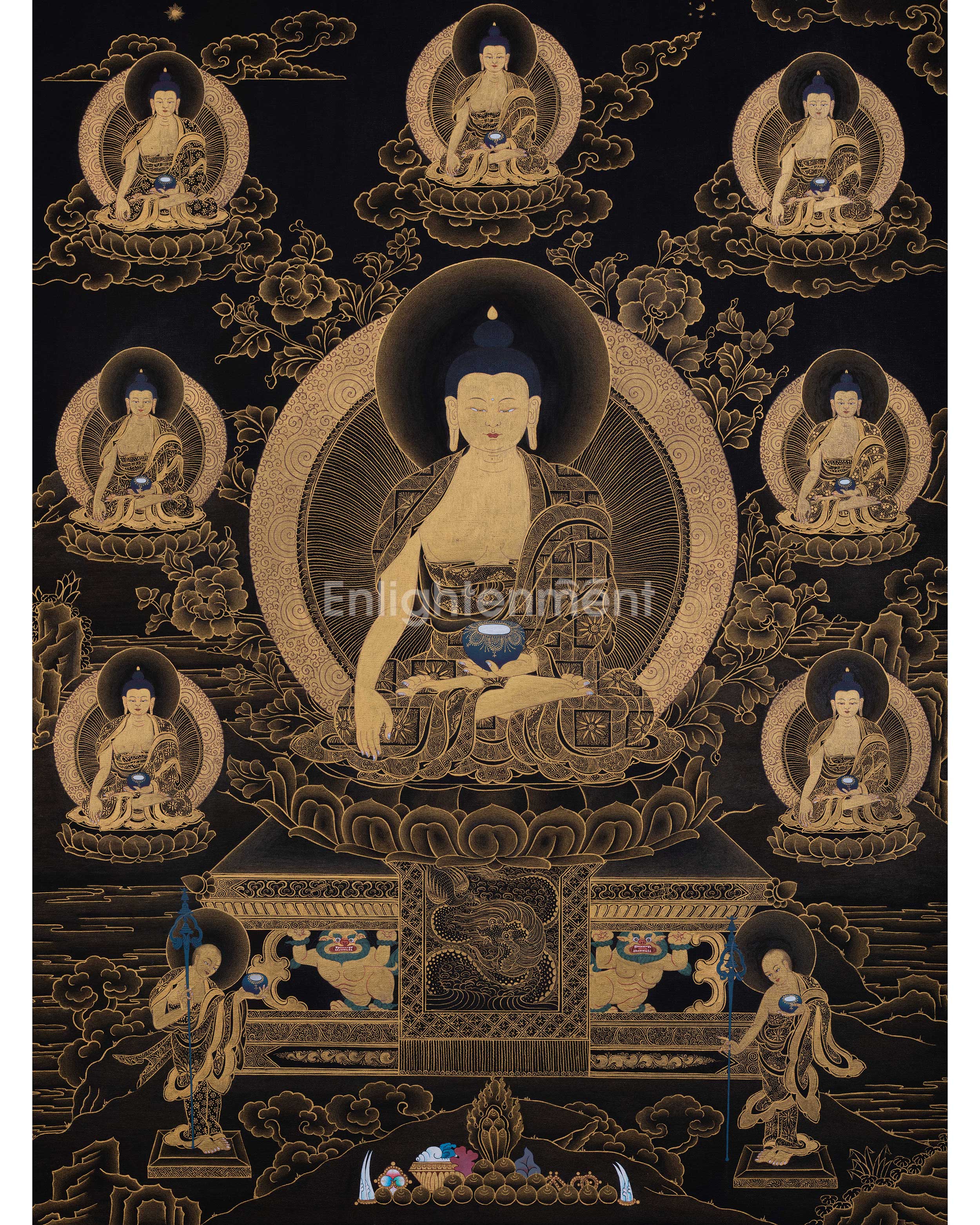
Eight Shakyamuni Buddha Thangka | Traditional Tibetan 24K Gold Buddhist Art
Sale price$1,880.00
18 x 24 Inches
+1
Free BrocadeNatural Mineral Colors
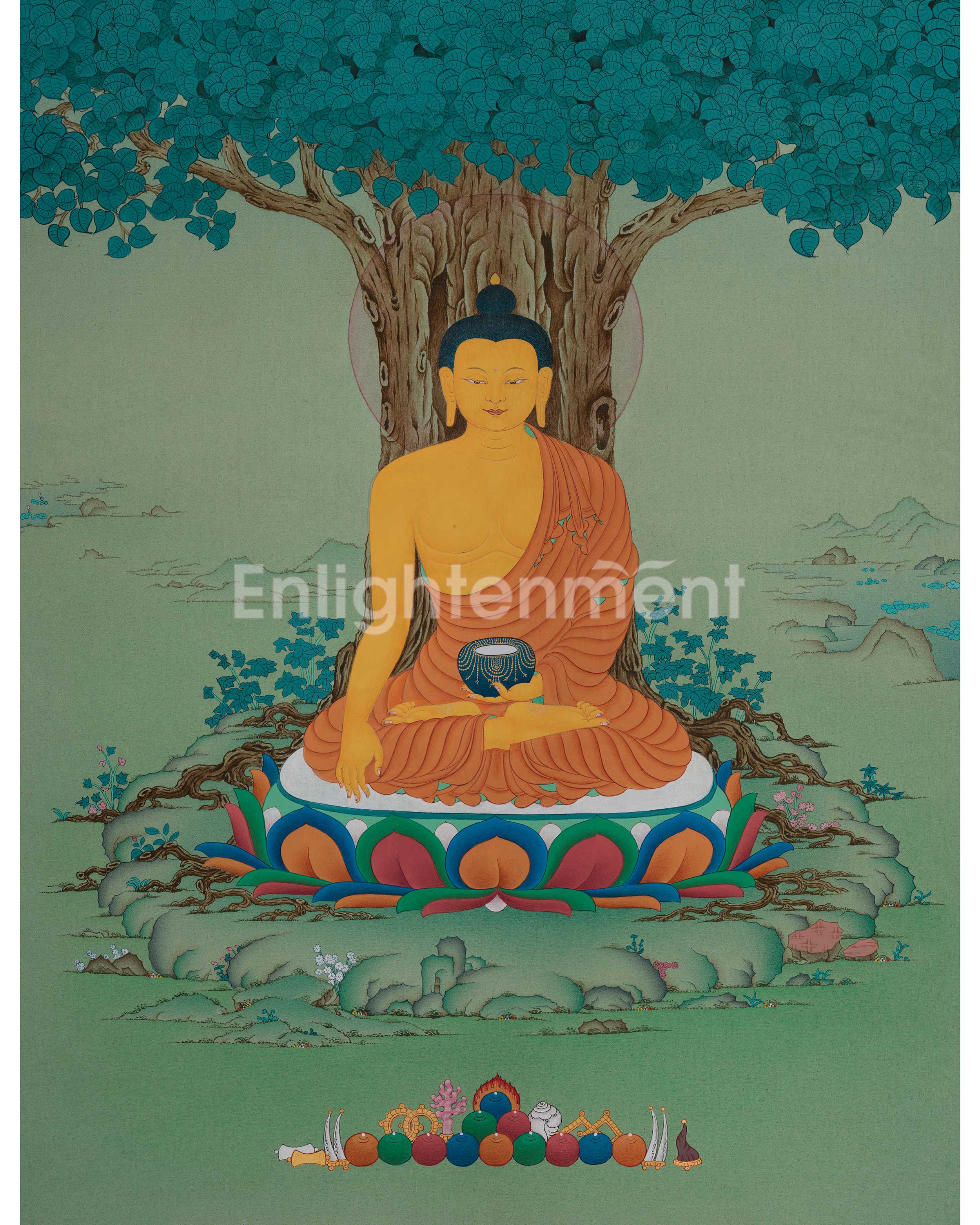
Founder of Buddhism Shakyamuni Buddha | Sage of Shakya Clan
Sale price$1,880.00
18 x 24 Inches
+1
Free BrocadeNatural Mineral Colors
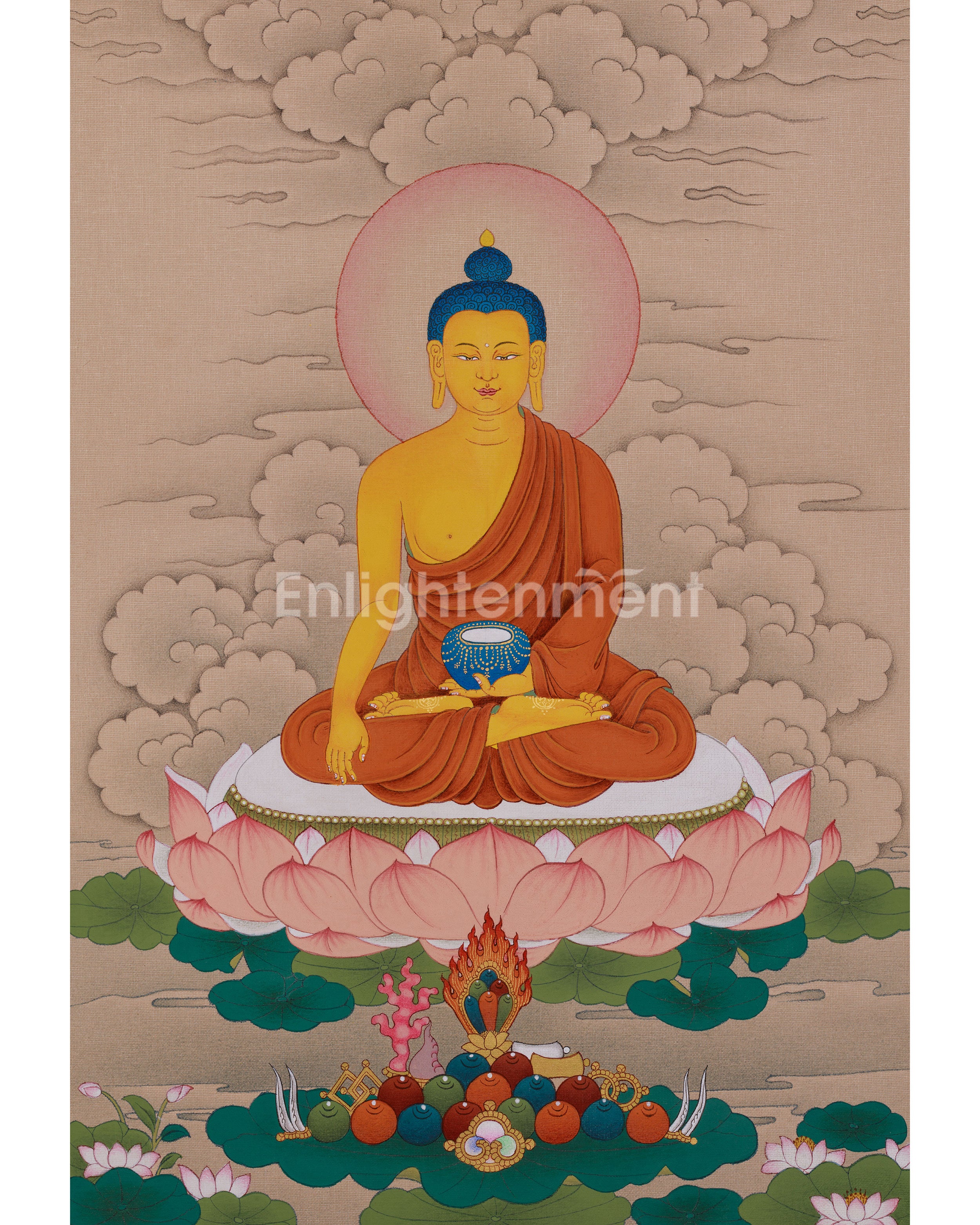
Peaceful Shakyamuni Buddha Artwork | Dharma Teacher | Symbolized Enlightenment
Sale price$820.00
9 x 13 Inches
+1
Make An Offer
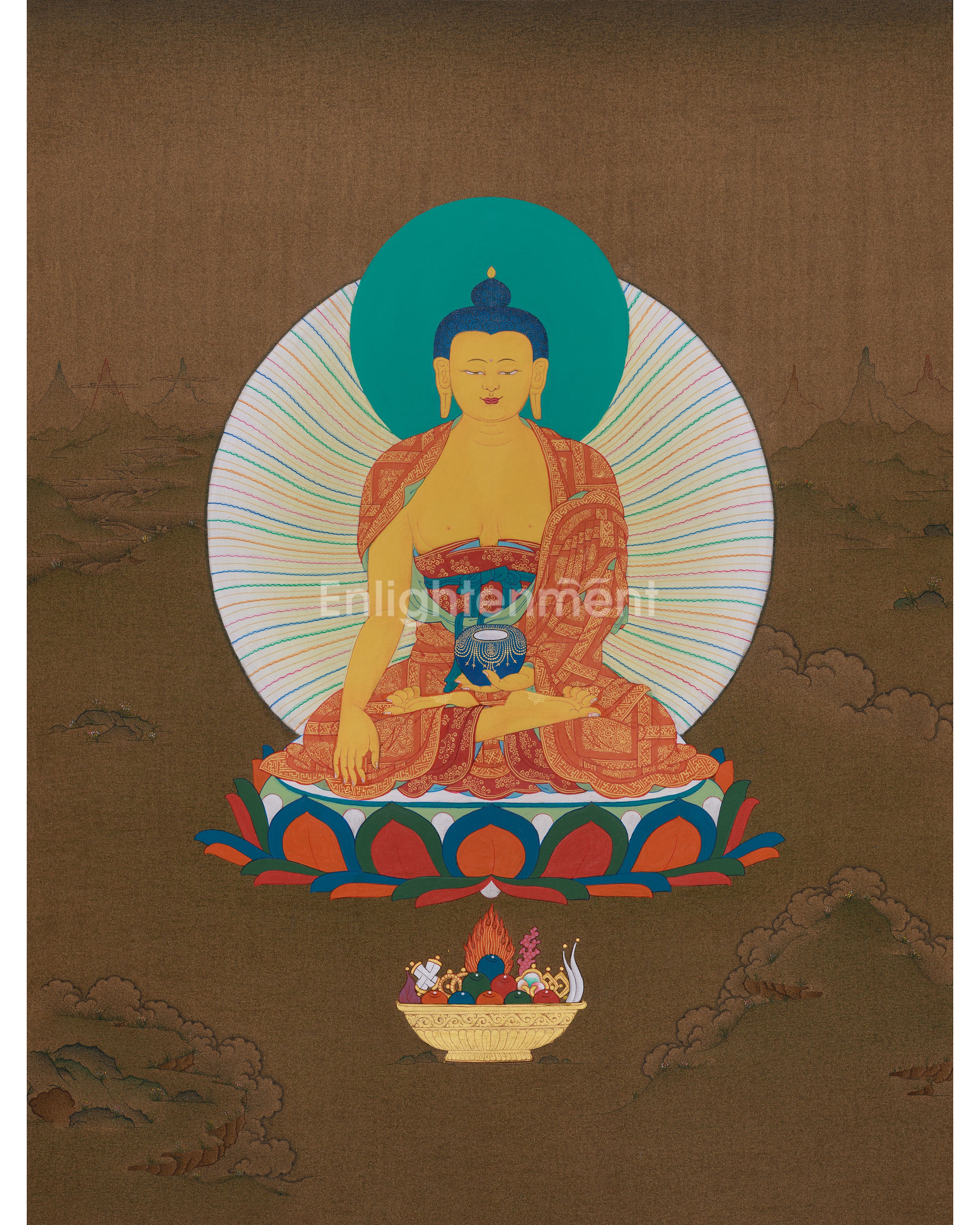
Shakyamuni Buddha Spiritual Art | Enlightenment and Dharma Teaching
Sale price$415.00
18 x 24 Inches
+1
Free Brocade

Tibetan Buddha Shakyamuni with Disciples | Siddhartha Gautama | Compassion and Wisdom
Sale price$740.00
18 x 24 Inches
+1