Vajrapani Thangka Collection
10 products
Showing 1 - 10 of 10 products
Vajrapani: The Protector and Embodiment of Power
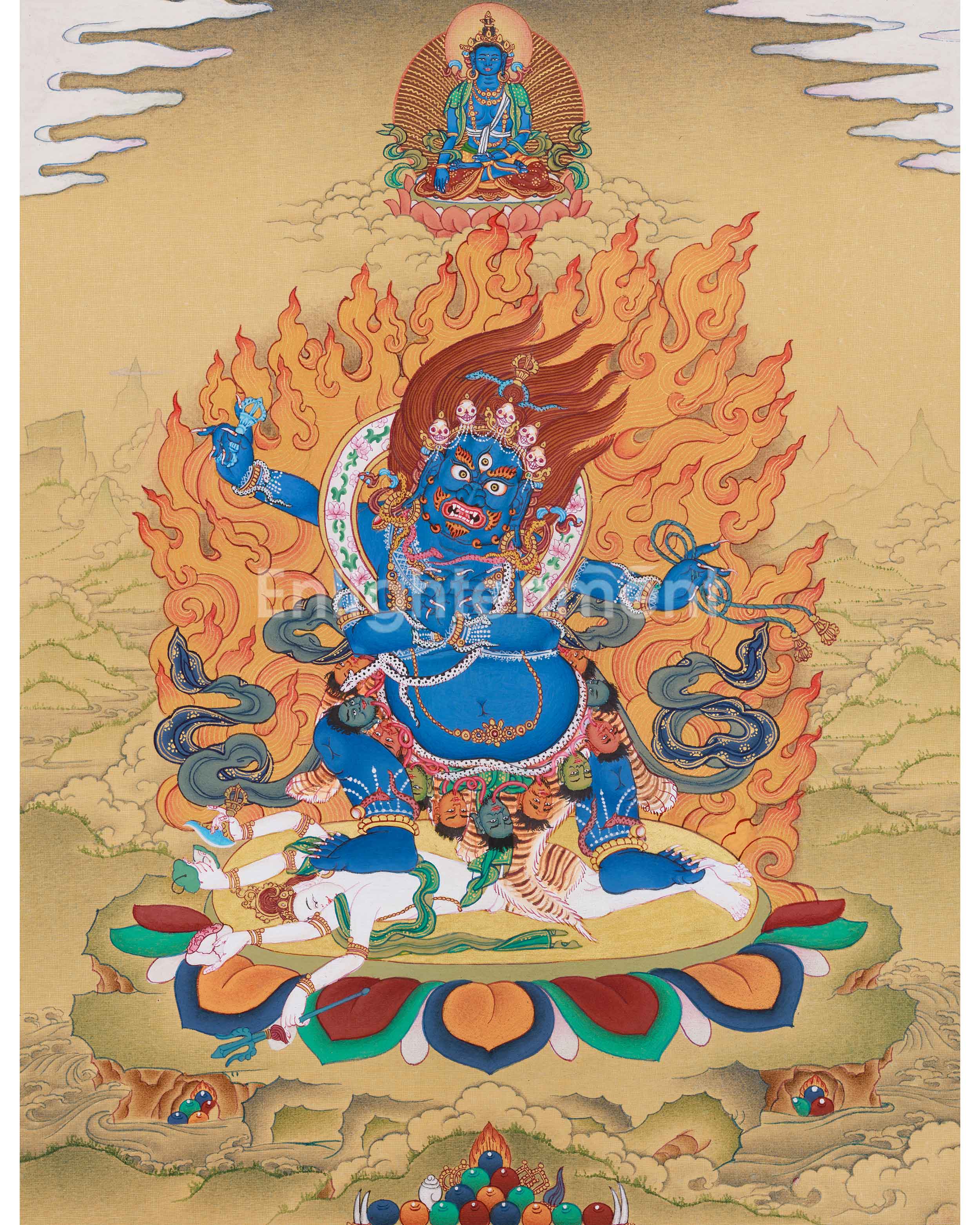
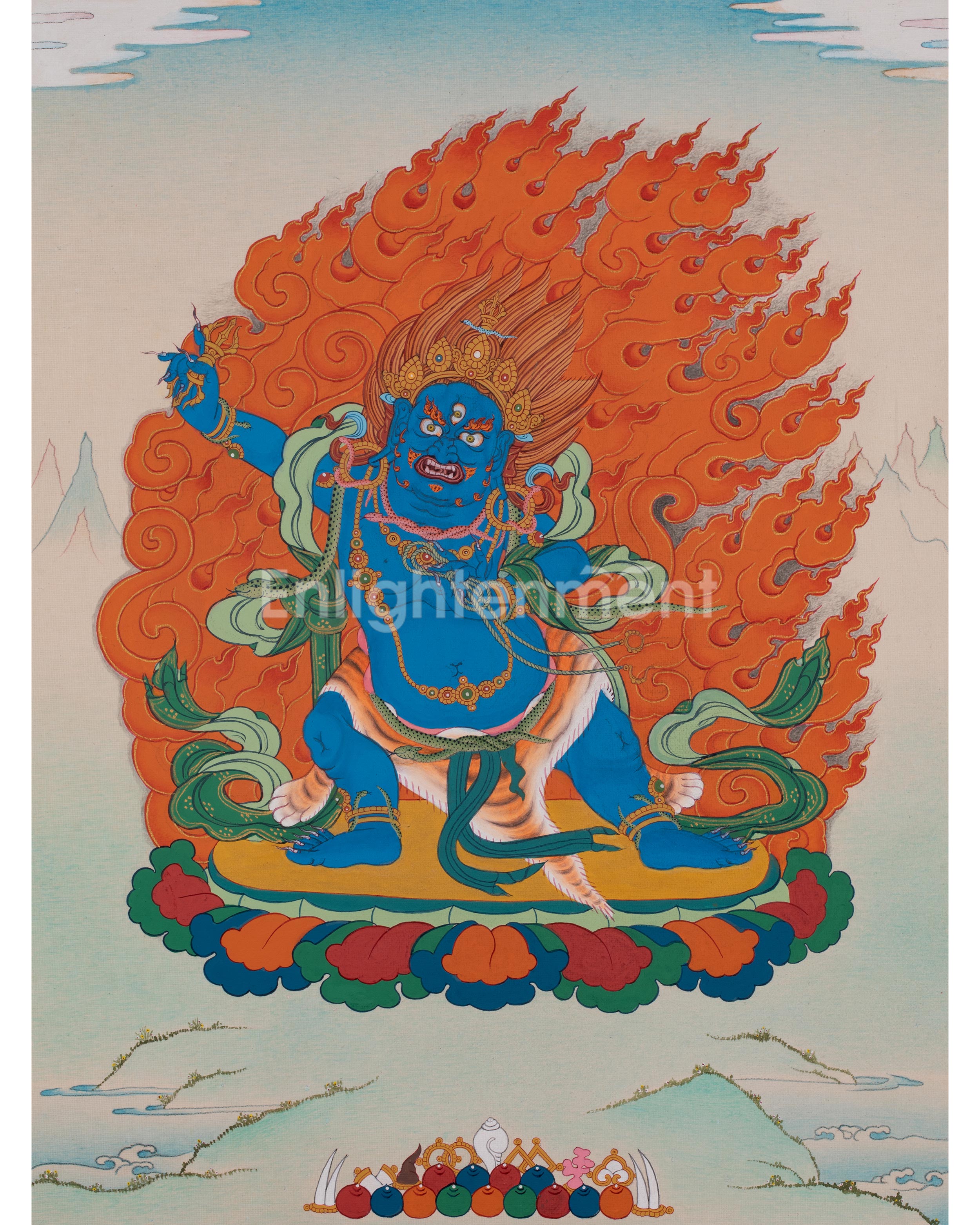
Vajrapani is one of the most revered figures in Tibetan Buddhism, known as the Bodhisattva of Power. Representing the forceful aspect of compassion, Vajrapani protects practitioners from obstacles, fears, and negative energies. His fierce yet controlled presence reminds devotees of the need for strength and determination on the path to enlightenment. Often depicted in a wrathful form, Vajrapani embodies the power of all Buddhas to dispel ignorance and defend the Dharma.
In Thangka art, Vajrapani serves as a visual representation of spiritual protection and empowerment. This depiction encourages practitioners to cultivate inner courage, assertive compassion, and unwavering focus on their spiritual path. By meditating on Vajrapani, one can awaken the inner strength necessary to overcome both external challenges and internal obstacles such as anger, attachment, and fear.
Iconography and Symbolism
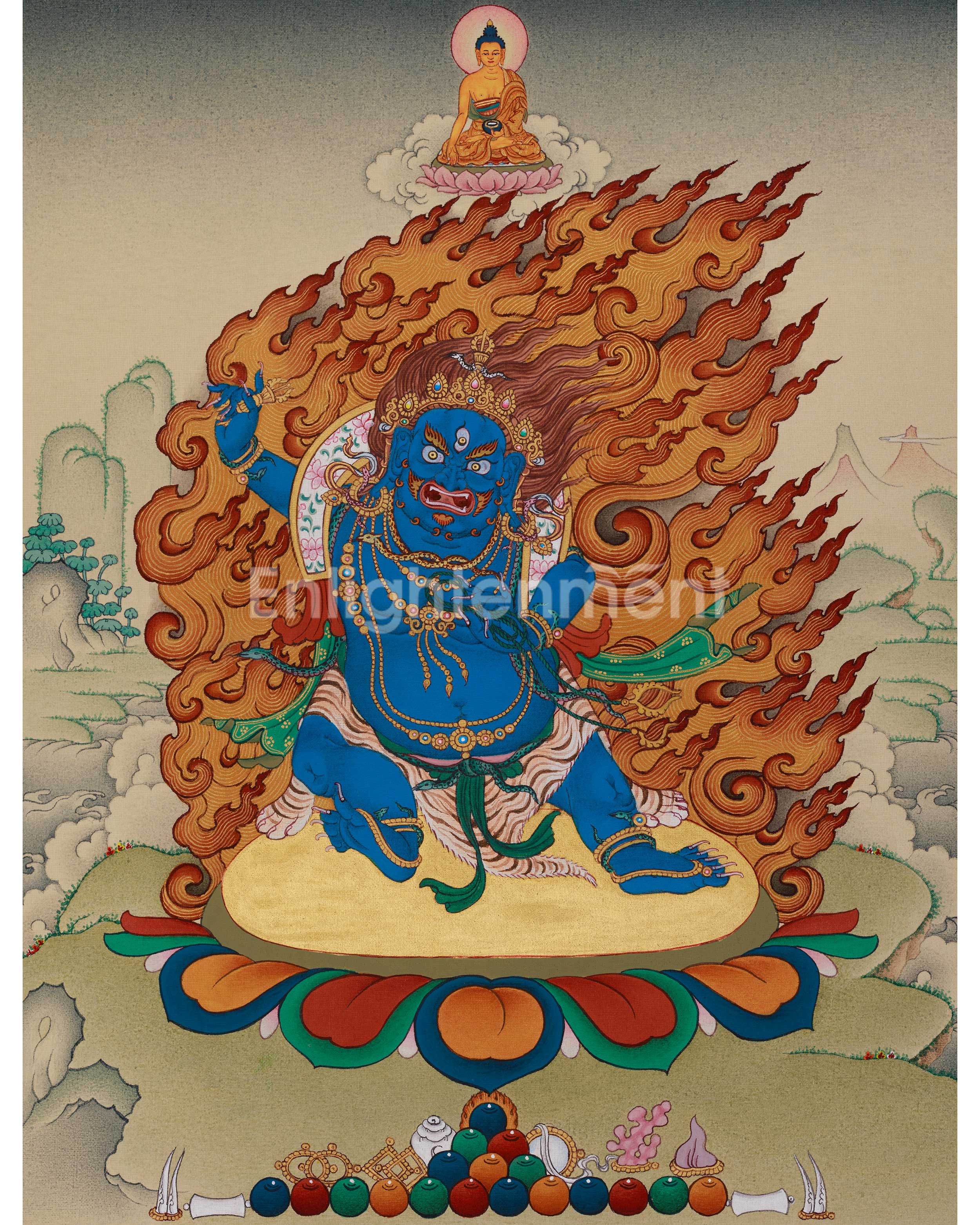
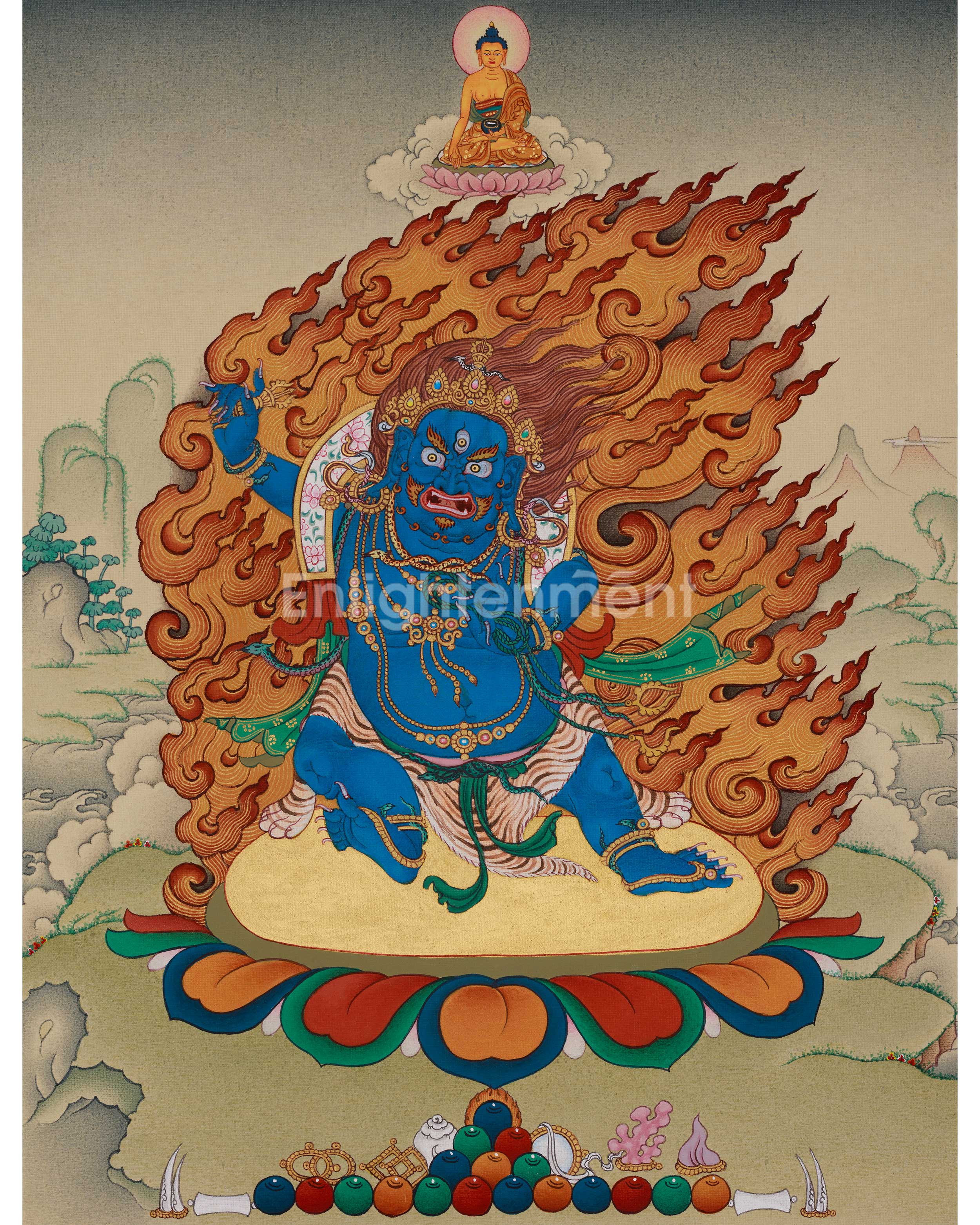
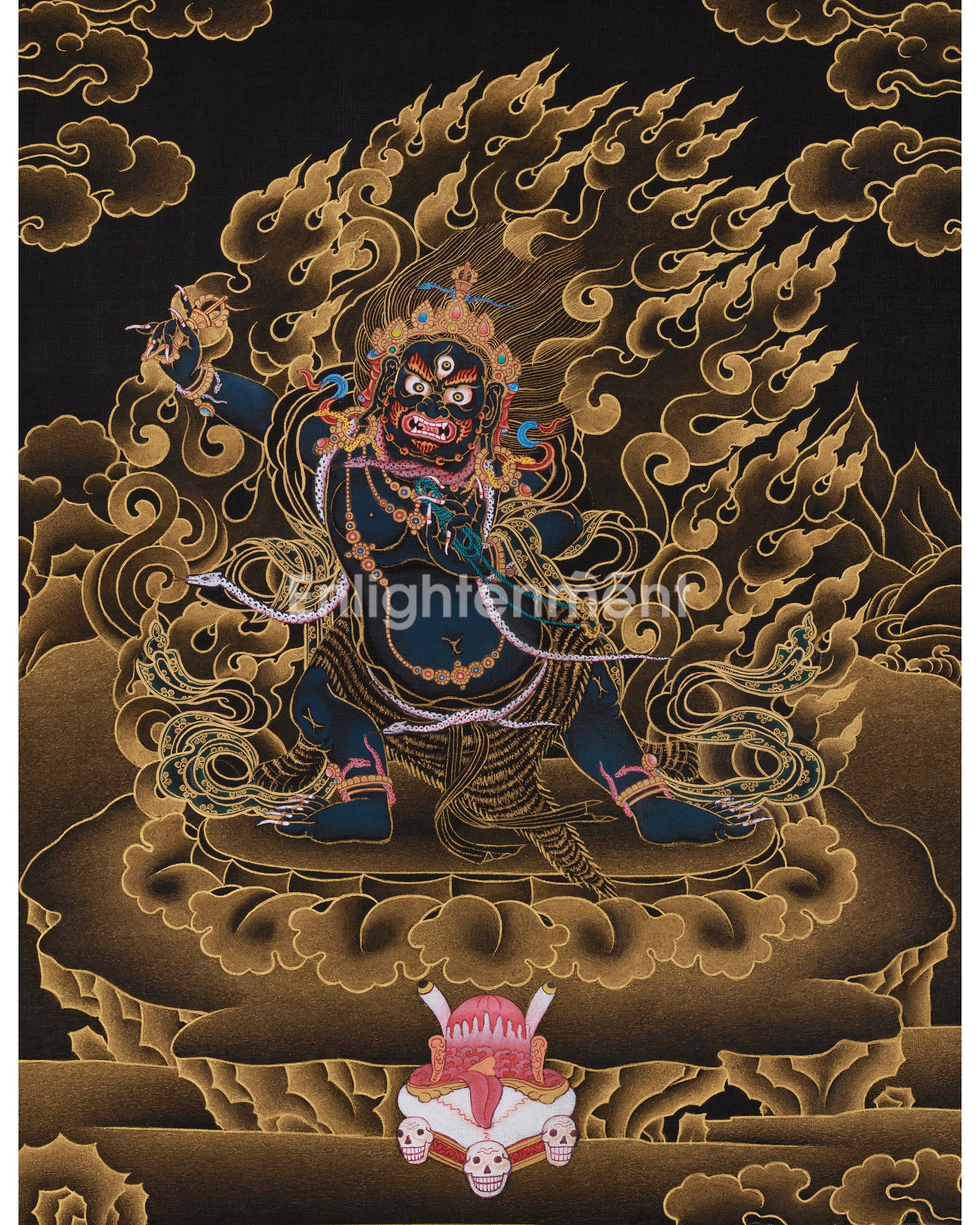
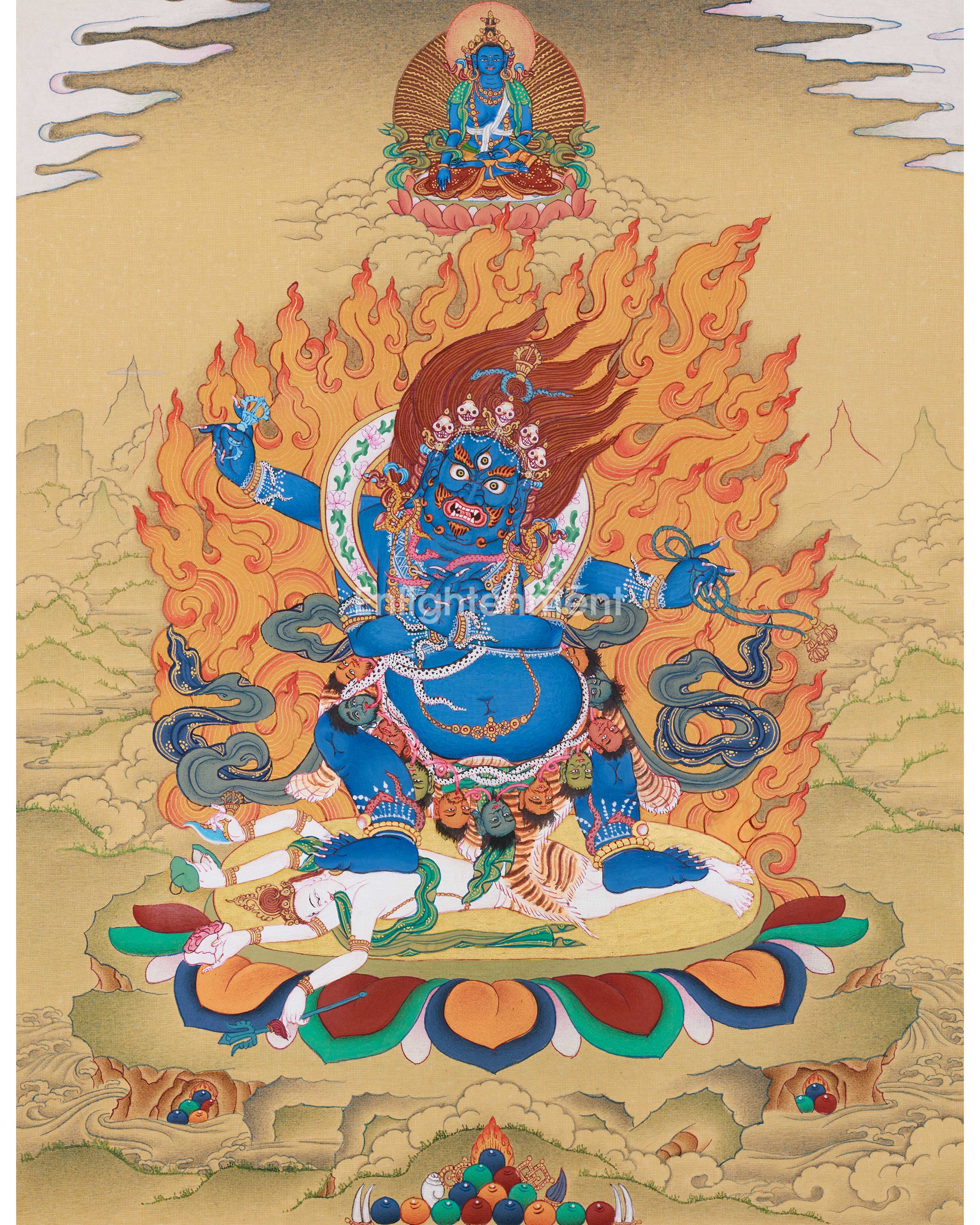
The Thangka of Vajrapani is rich with symbolism, each element carrying profound meaning:
Halo Flame: Surrounding Vajrapani is a halo of flames, representing his transformative energy. The fire symbolizes the destruction of ignorance and the illumination of wisdom.
Vajra: Held in his hand, the vajra signifies indestructible truth and the unyielding nature of enlightened awareness. It is the tool that cuts through illusion and protects practitioners on their spiritual journey.
Five Jewelled Crown: Vajrapani’s crown, adorned with five precious jewels, reflects the purity and power of the Five Buddha Families. It signifies mastery over the five obstacles of ignorance, attachment, aversion, pride, and jealousy.
Three Eyes: The three eyes of Vajrapani denote his omniscient vision, perceiving past, present, and future. This symbolizes clarity of awareness and the ability to respond wisely to all circumstances.
Serpent Garland: A coiled serpent around his body represents control over desires and the harnessing of life force energy for spiritual purposes.
Silk Scarves: Flowing silk scarves, depicted around Vajrapani, signify blessings, purity, and the movement of spiritual energy. They also highlight the graceful yet dynamic nature of his power.
Lower Garment (Tiger Skin): The tiger skin represents fearlessness, mastery over primal forces, and the courage to face challenges directly. It reminds practitioners of the inner strength required on the path of Dharma.
Sun Disc Atop Lotus Seat: Vajrapani sits on a lotus seat, symbolizing purity and spiritual awakening, with a sun disc above it, representing illumination, vitality, and the dispelling of darkness and ignorance.
Vajrapani and the Path of Strength and Protection
Vajrapani is particularly important for those seeking strength in practice. His image inspires confidence, perseverance, and courage. By meditating on Vajrapani, practitioners cultivate the energy needed to confront personal fears, overcome obstacles, and protect the Dharma. The wrathful appearance is not a symbol of aggression but of compassionate power used to safeguard enlightenment and support others.
The Thangka also serves as a reminder that spiritual power must be balanced with wisdom and compassion. Vajrapani’s energetic posture, combined with symbols of clarity and purity such as the lotus and moon disc, demonstrates that true strength is grounded in ethical action, mindfulness, and insight. Meditating with this Thangka helps one internalize these qualities and embody the protective, fearless compassion that Vajrapani represents.