
Make An OfferNatural Mineral Colors
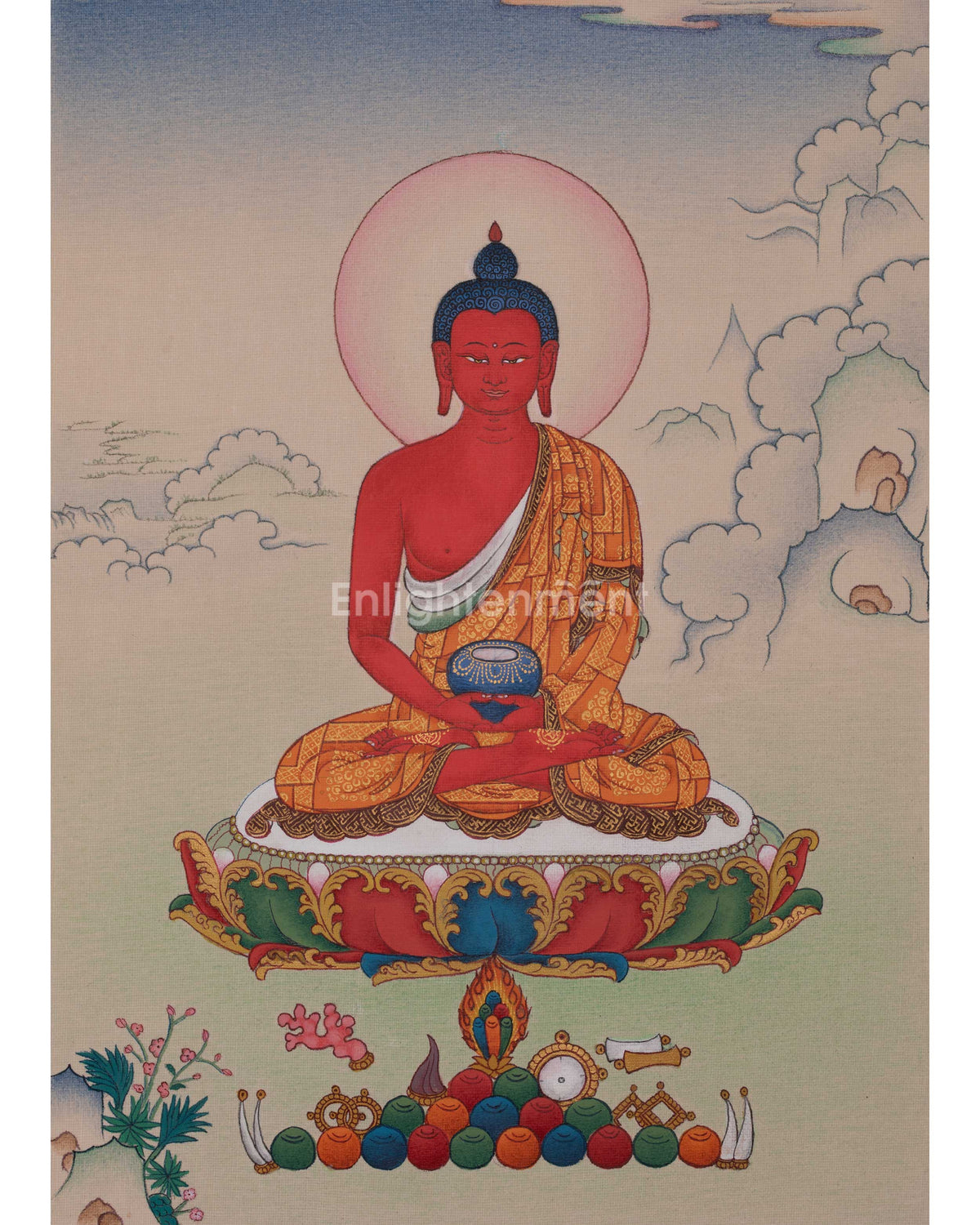
Amitabha Buddha Himalayan Art | The Buddha of Infinite Light
Sale price$310.00
6.5 x 9 Inches
+1
Make An OfferNatural Mineral Colors
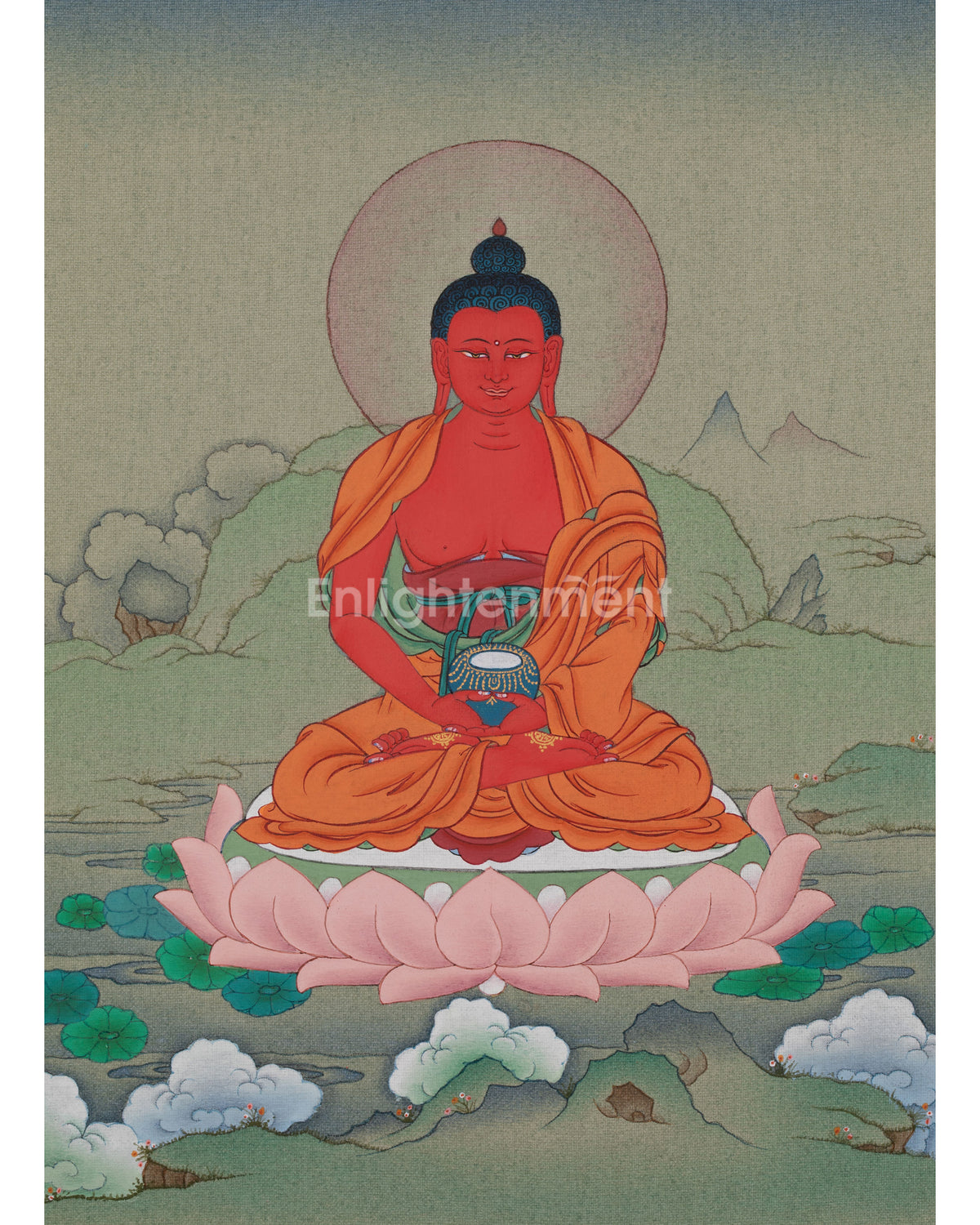
Pure Land Amitabha Buddha Thangka | Represent Infinite Compassion
Sale price$415.00
6.5 x 9 Inches
+1
Free BrocadeNatural Mineral Colors
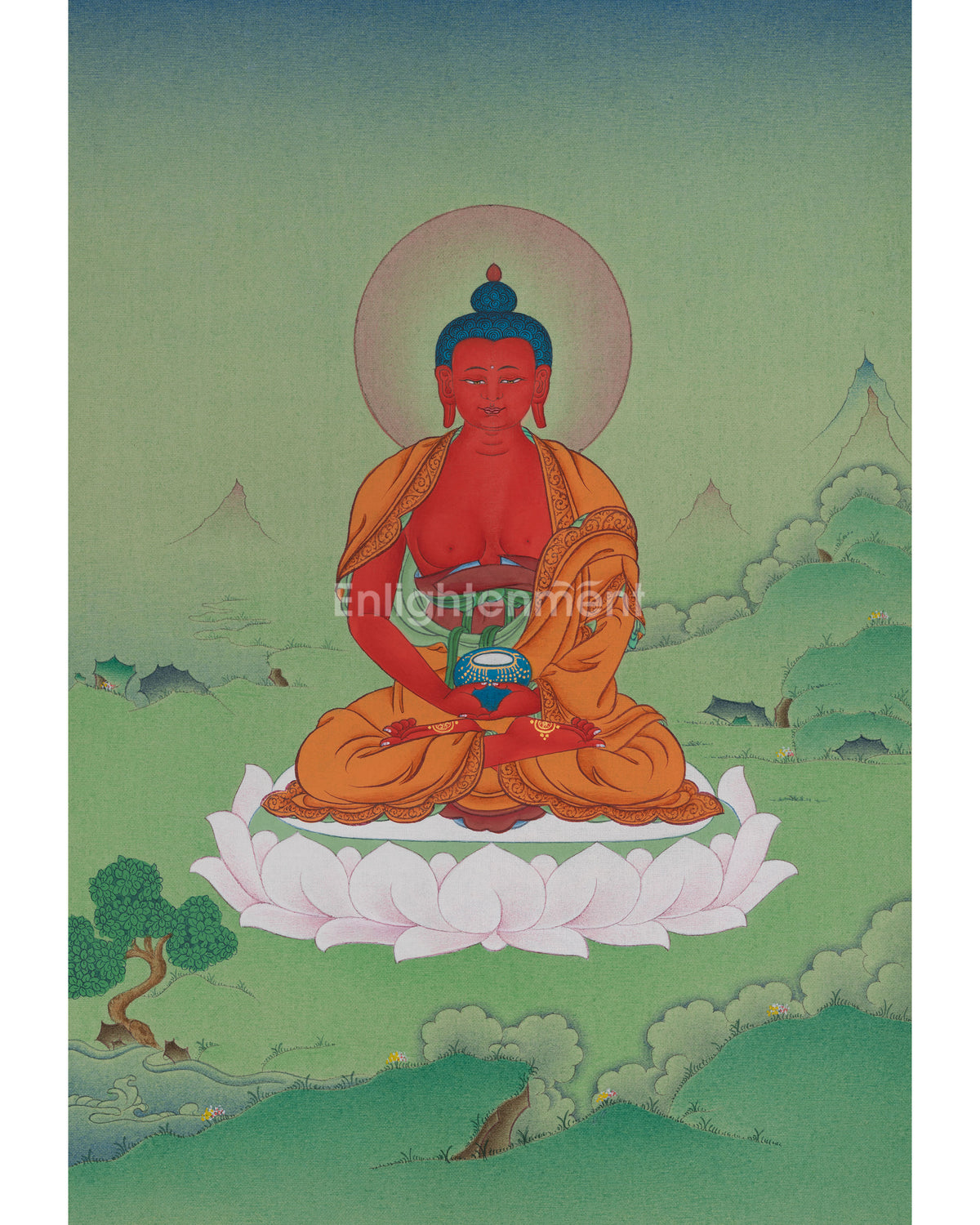
Divine Amitabha Buddha Thangka | The Pure Land Deity | Infinite Light
Sale price$550.00
9 x 13 Inches
+1
Make An OfferNatural Mineral Colors
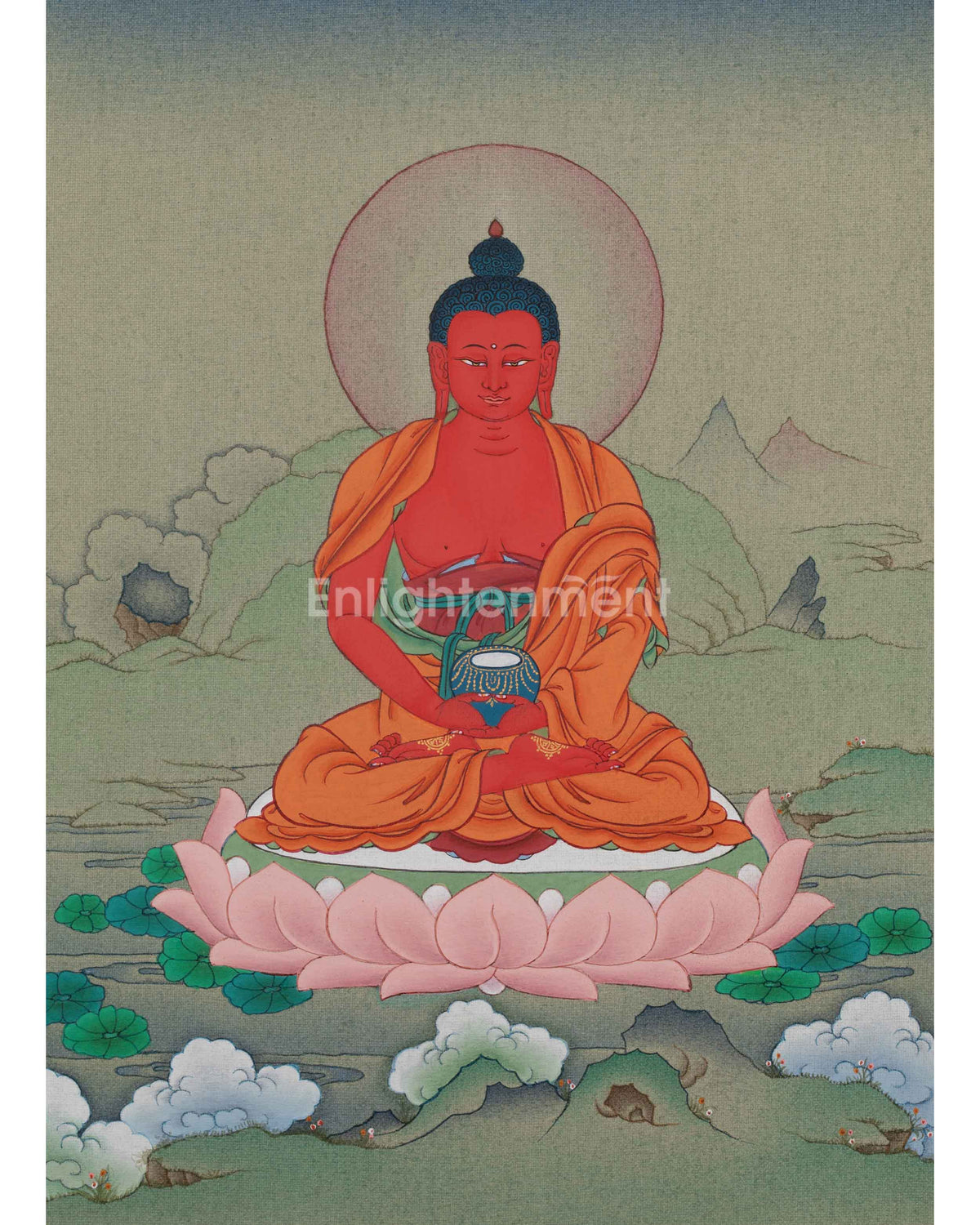
Amitabha Buddha Sacred Artwork | Buddha of Infinite Light | Vajrayana Art
Sale price$415.00
6.5 x 9 Inches
+1
Free BrocadeNatural Mineral Colors
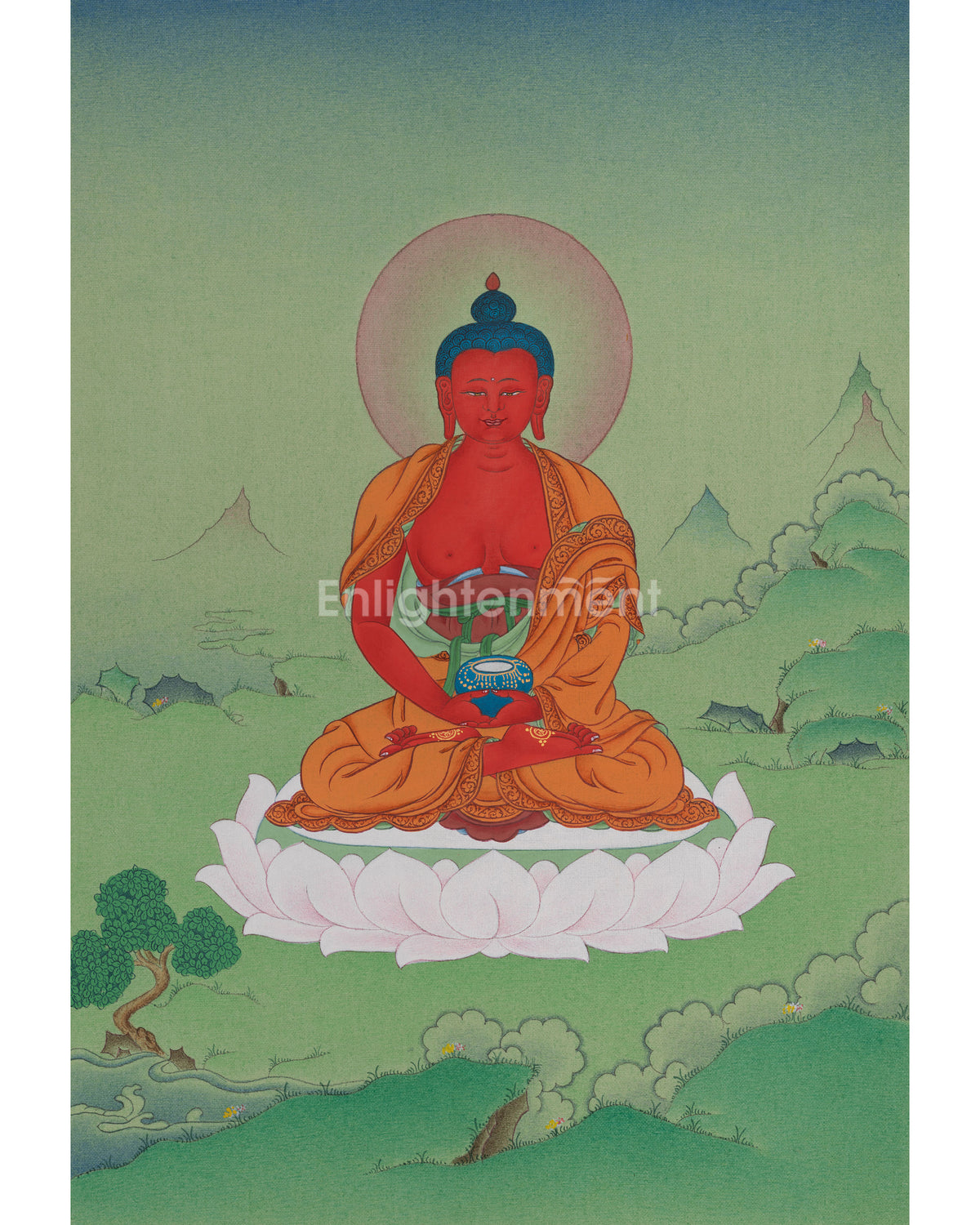
Amitabha Buddha Himalayan Thangka | Infinite Light Artwork | Tibetan Art
Sale price$550.00
9 x 13 Inches
+1
Make An Offer
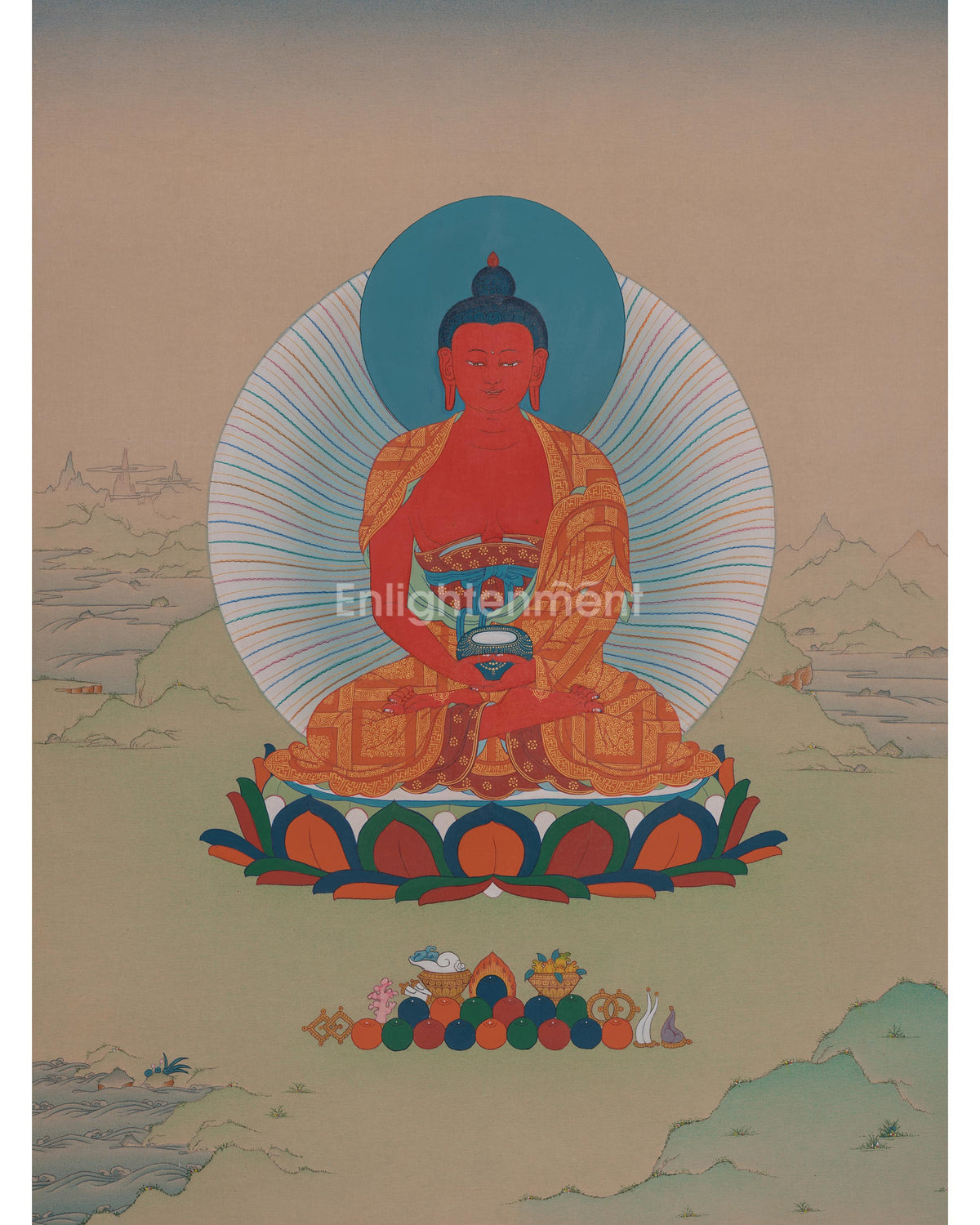
Amitabha Buddha Spiritual Art | Represents Infinite Light And Boundless Compassion
Sale price$460.00
18 x 24 Inches
+1
Free BrocadeNatural Mineral Colors
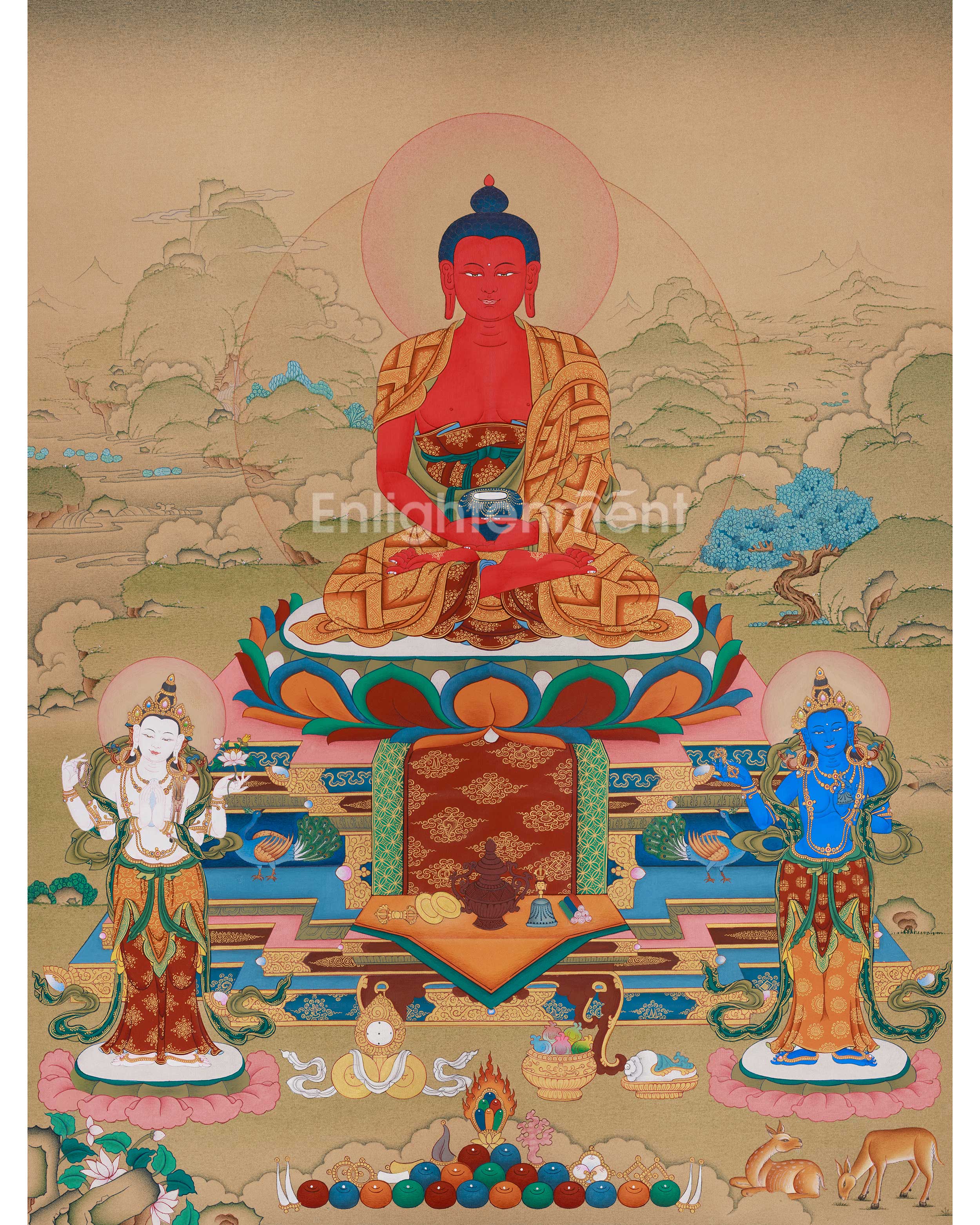
Amitabha Buddha With Bodhisattva | Infinite Light
Sale price$1,880.00
18 x 24 Inches
+1
Free BrocadeNatural Mineral Colors

Amitabha Singham Thangka | The Buddha of Boundless Compassion and Light
Sale price$3,395.00
19 x 27 Inches
+1
Free Brocade
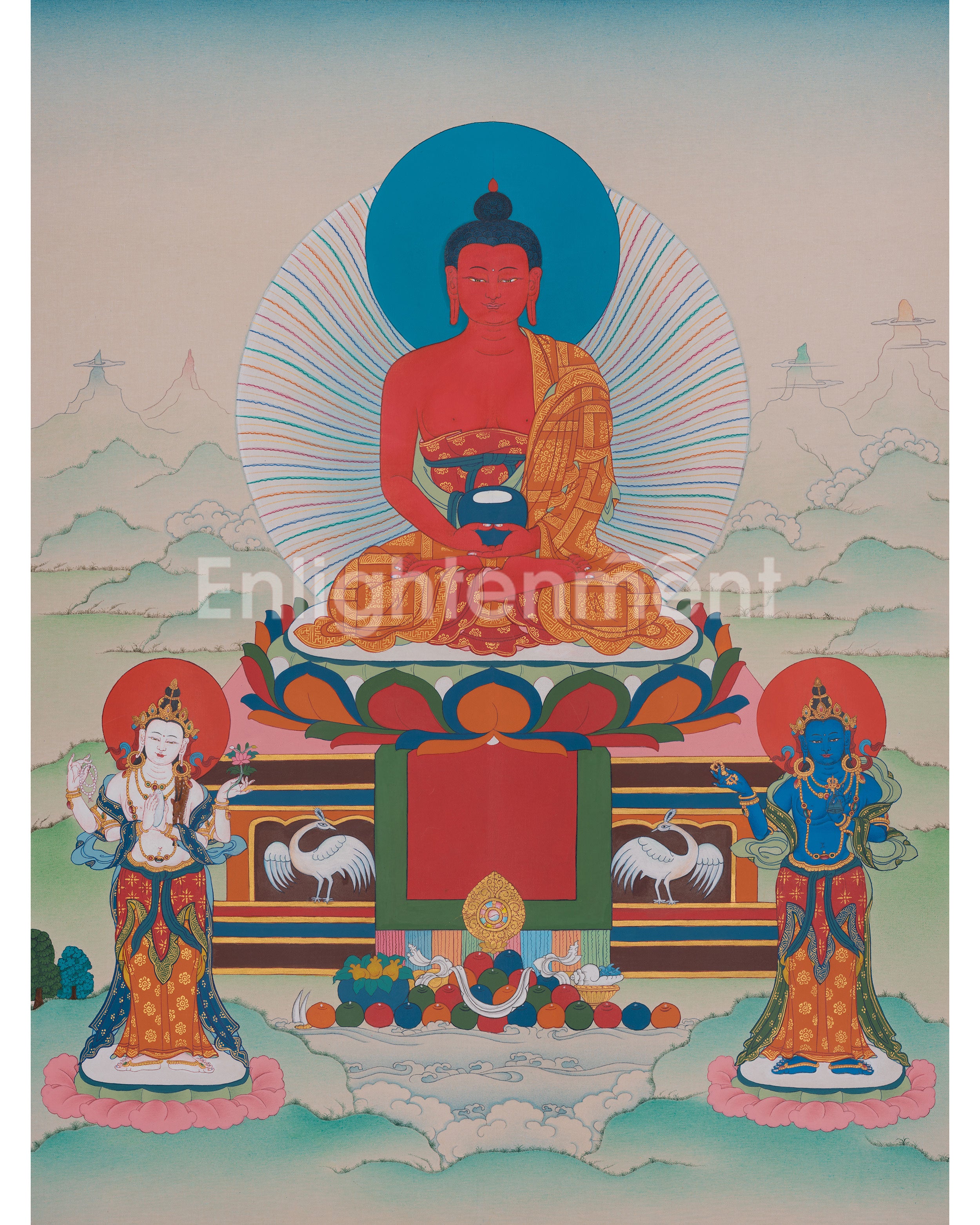
Amitabha Buddha Sacred Thangka | Pure Land Buddhist Enlightenment Art
Sale price$740.00
18 x 24 Inches
+1
Make An Offer
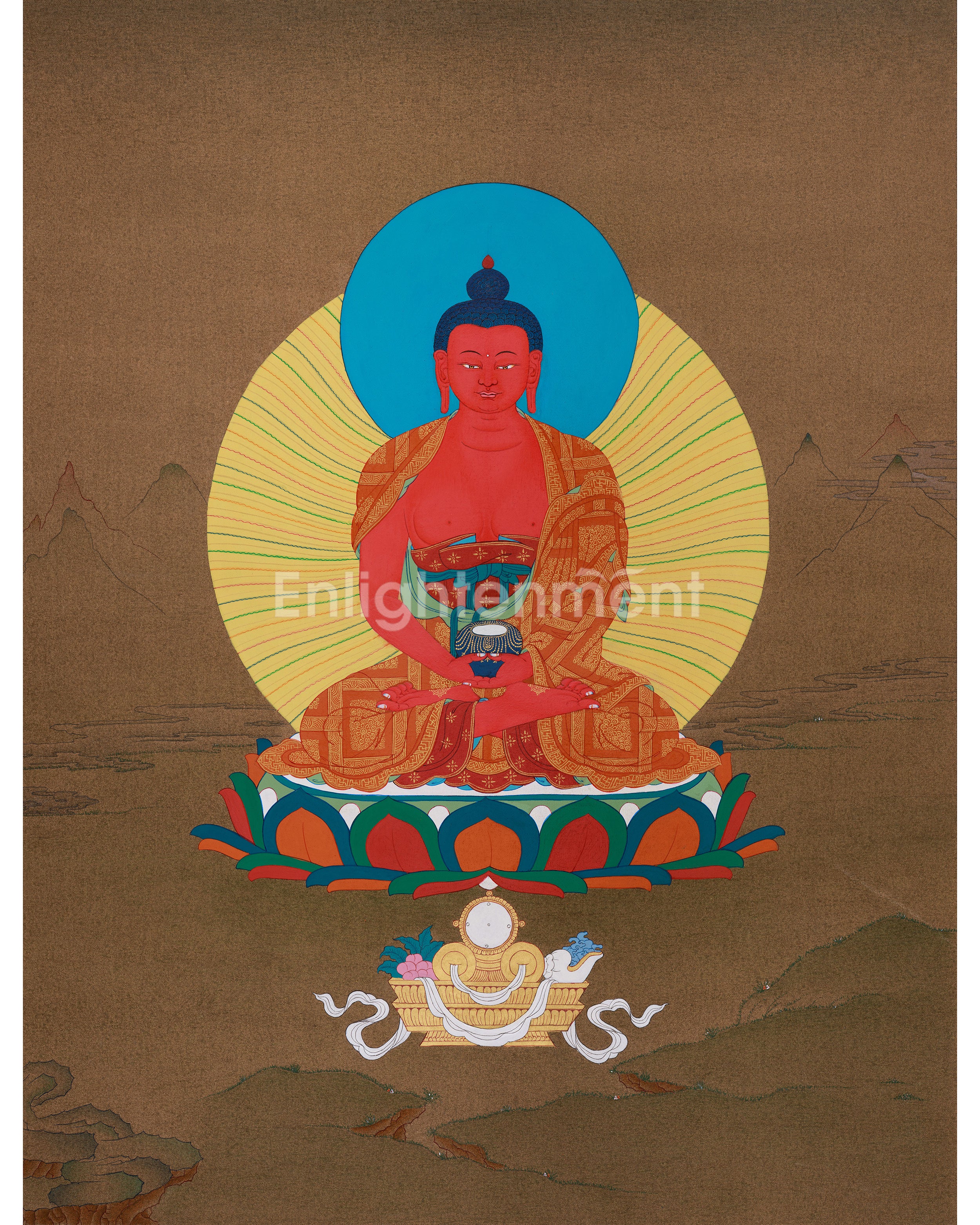
Sacred Amitabha Buddha Thangka | Radiating Boundless Light and Serenity
Sale price$415.00
18 x 24 Inches
+1
Make An OfferNatural Mineral Colors
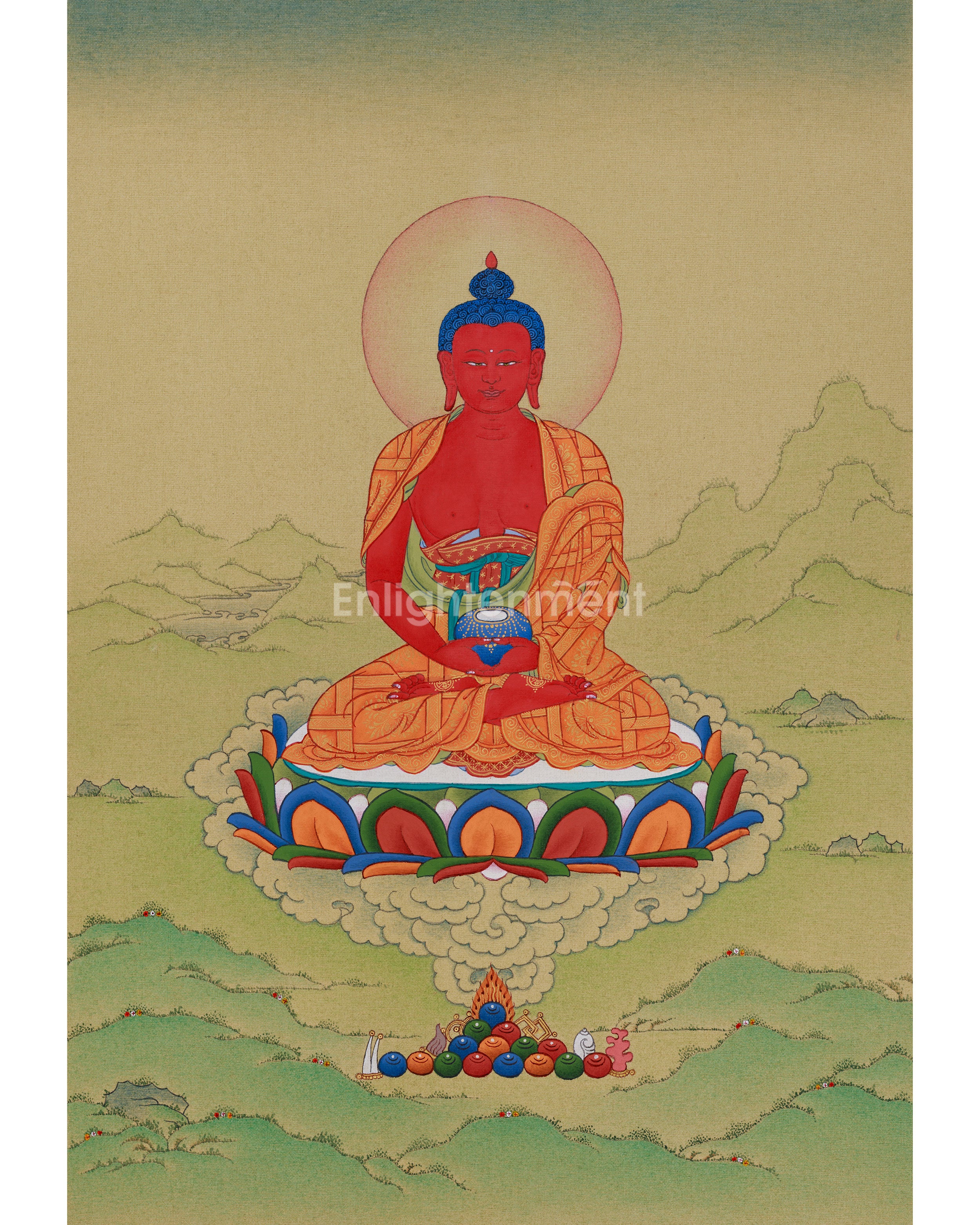
Amitabha Buddha Enlightenment Thangka | Buddha of Infinite Light
Sale price$415.00
9 x 13 Inches
+1
Make An OfferNatural Mineral Colors
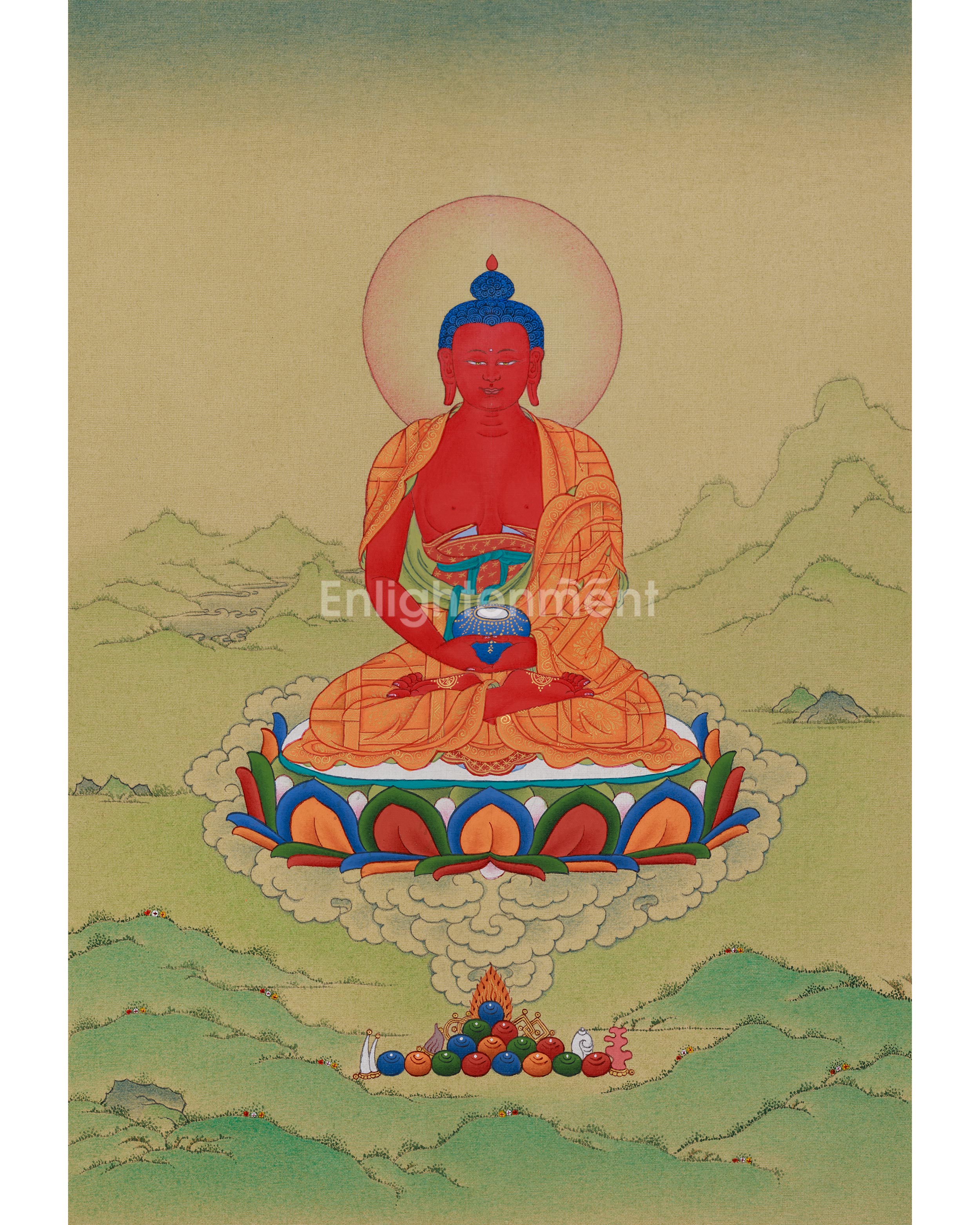
Traditional Thangka of Amitabha Buddha | A Divine Symbol of Compassion and Pure Land
Sale price$415.00
9 x 13 Inches
+1
Free BrocadeNatural Mineral Colors

Infinite Wisdom Deity Amitabha Buddha Thangka | Buddhist Art for Meditation
Sale price$740.00
14 x 20 Inches
+1
Free Brocade

Amitabha Buddha with Chenrezig and Vajrapani | Tibetan Bodhisattva Thangka
Sale price$740.00
18 x 24 Inches
+1
Free BrocadeNatural Mineral Colors
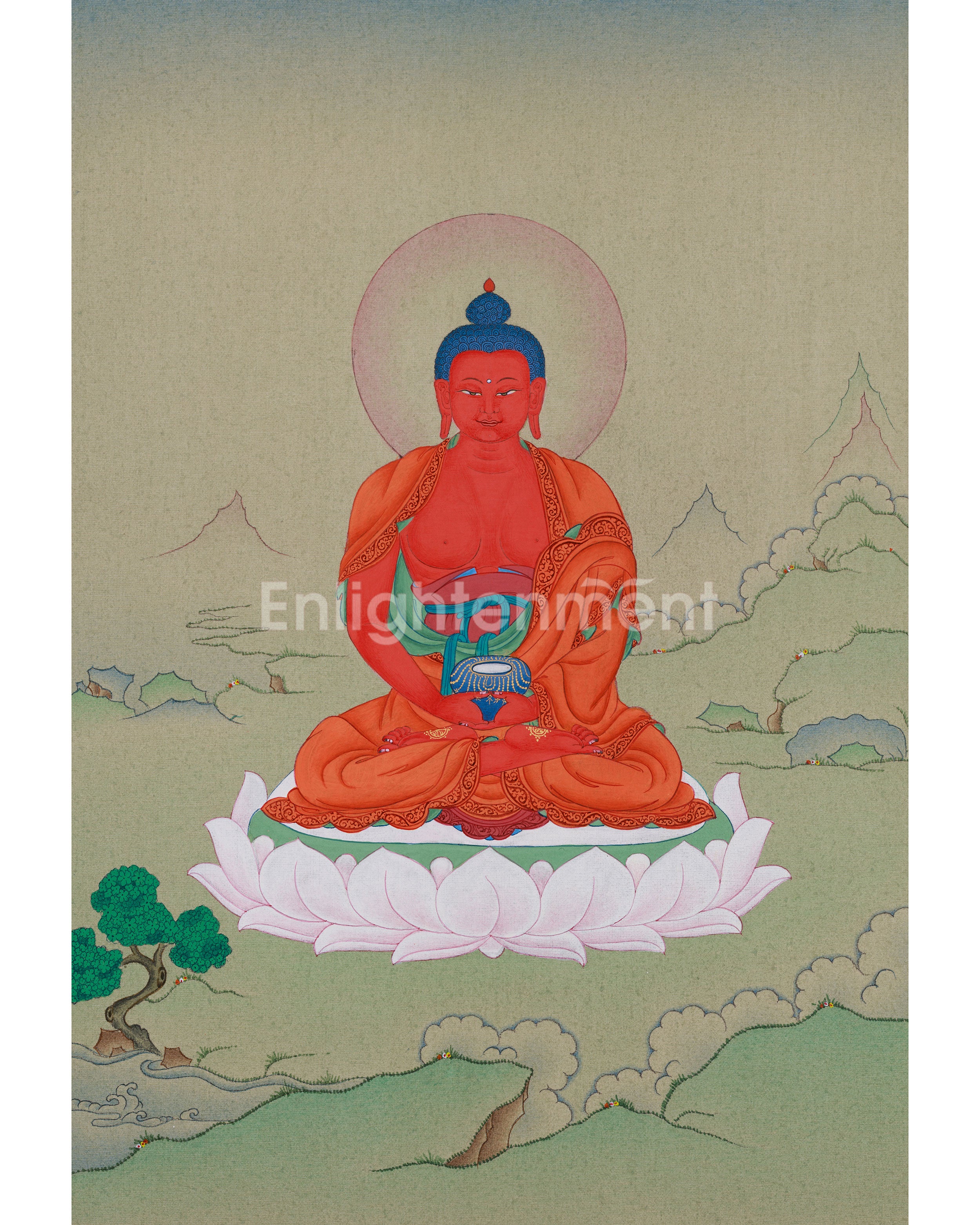
Traditional Amida Buddha Thangka | The Buddha of Boundless Light
Sale price$550.00
9 x 13 Inches
+1
Free BrocadeNatural Mineral Colors
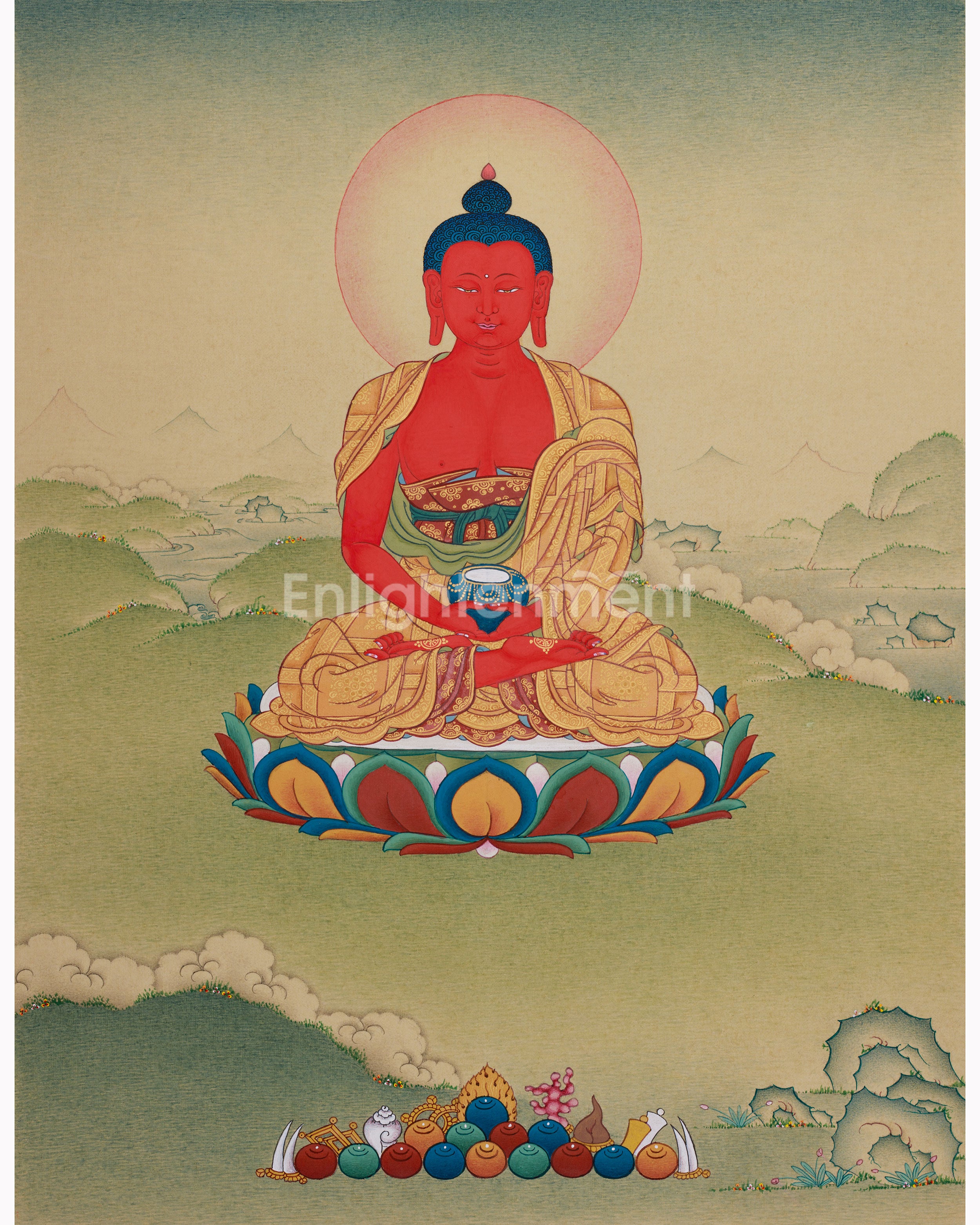
Divine Red Amitabha Buddha Thangka | Lhasa Stone Pigments
Sale price$820.00
10 x 13 Inches
+1
Free BrocadeNatural Mineral Colors
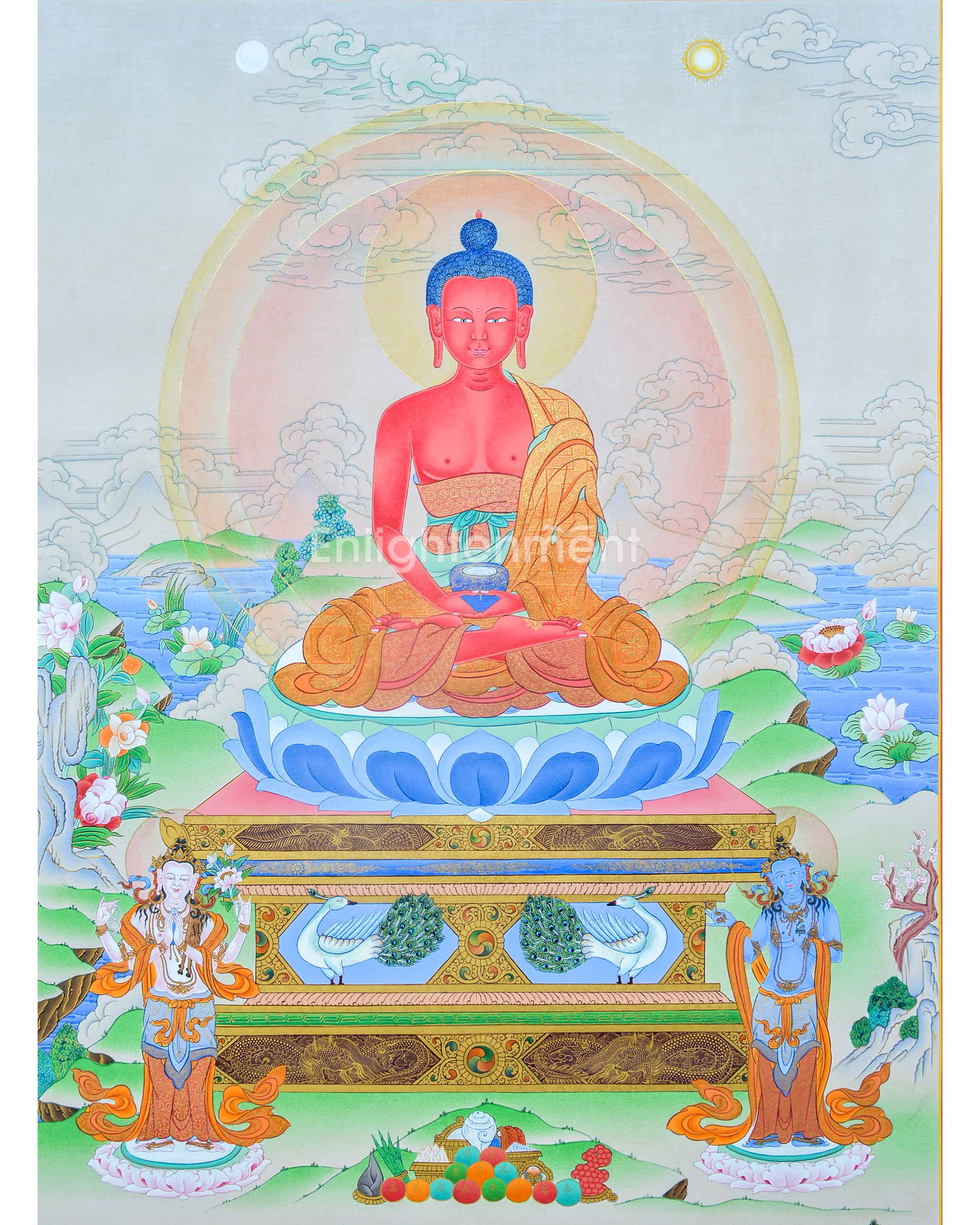
Hand Painted Amitabha Buddha Thangka Art | A Symbol Of Purity And Enlightenment | Traditional Tibetan Buddhism Art
Sale price$990.00
18 x 24 Inches
+1