Vajrayogini Thangka Painting Collection
16 products
Showing 1 - 16 of 16 products
Vajrayogini: The Sacred Dakini of Transformation
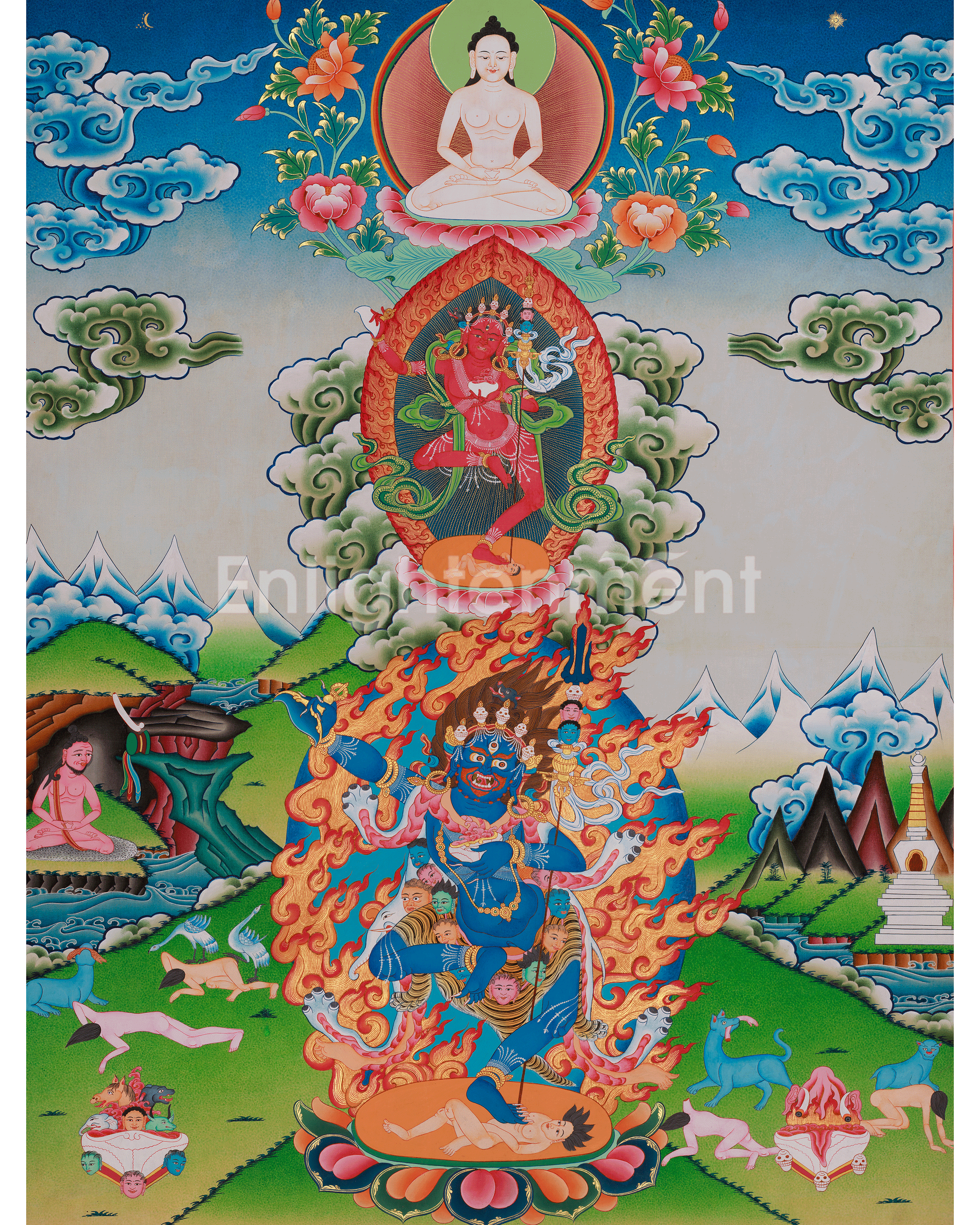
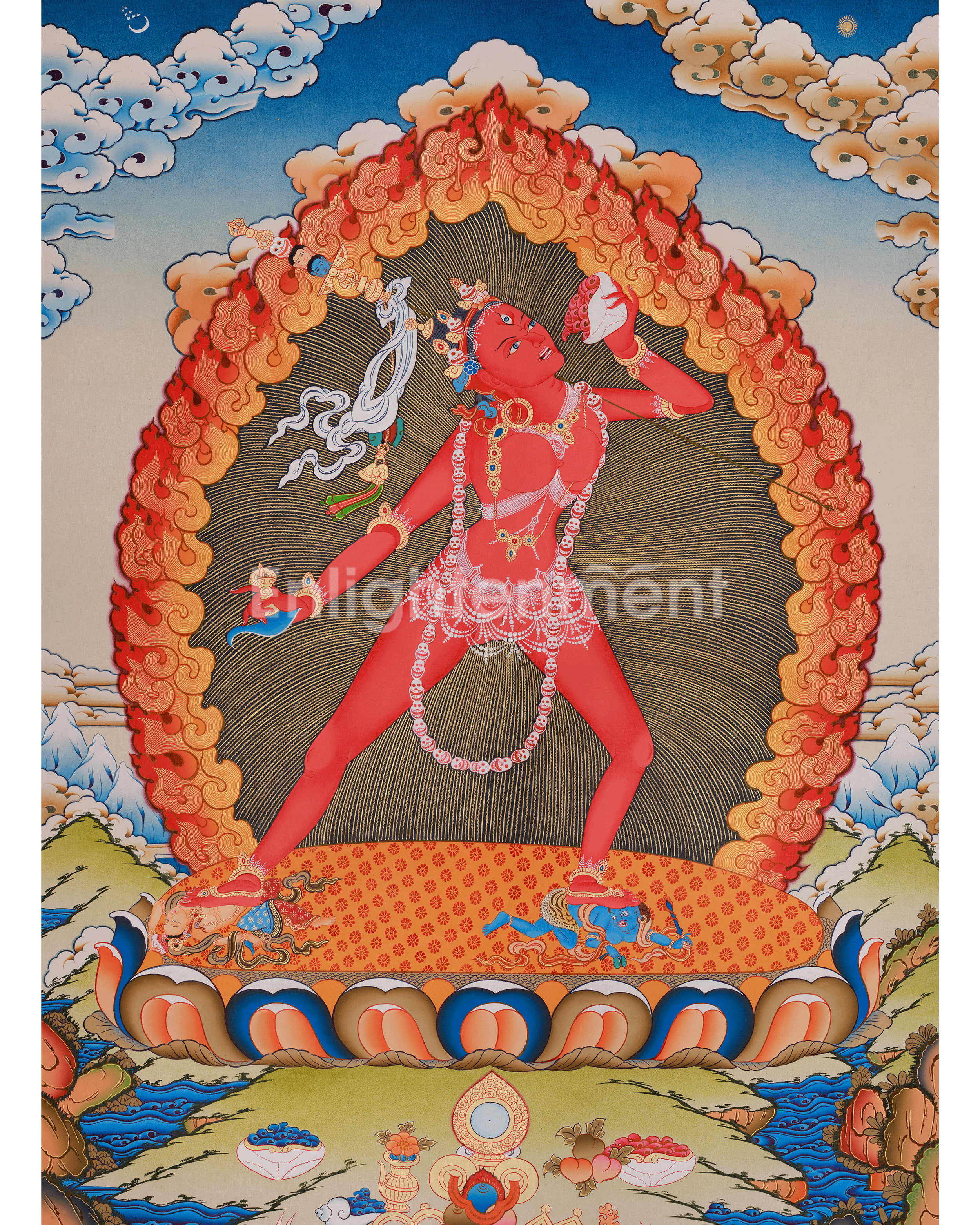
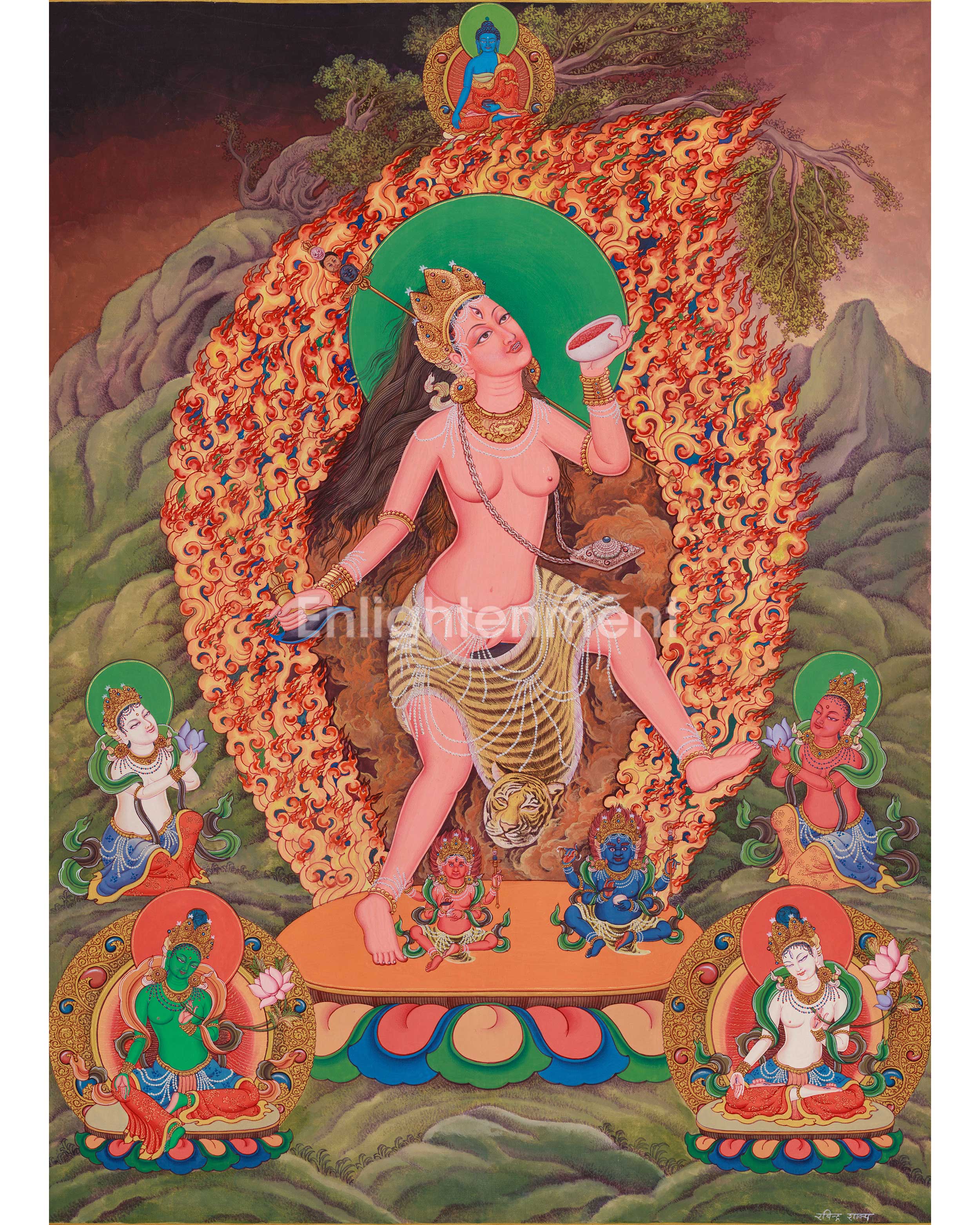
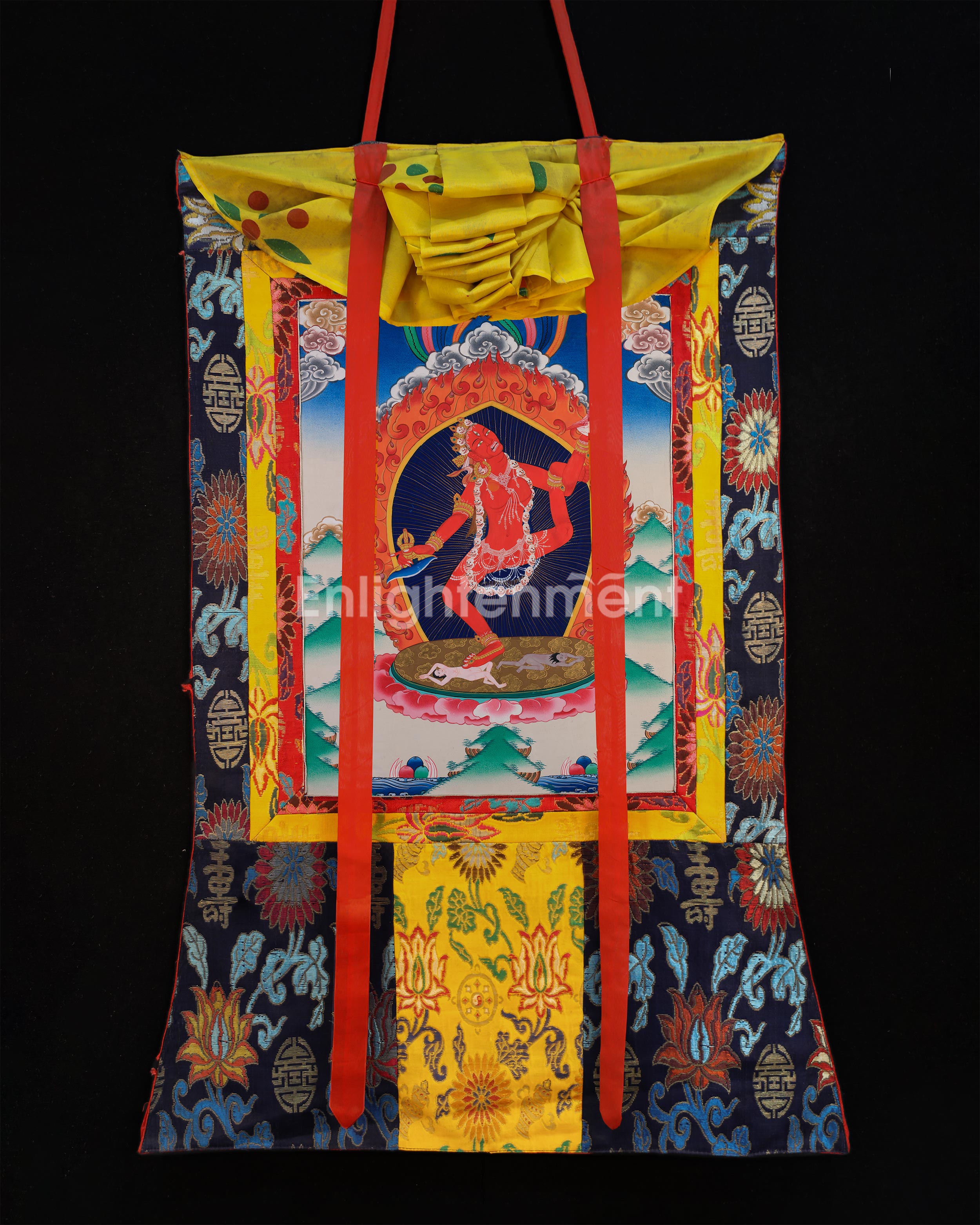
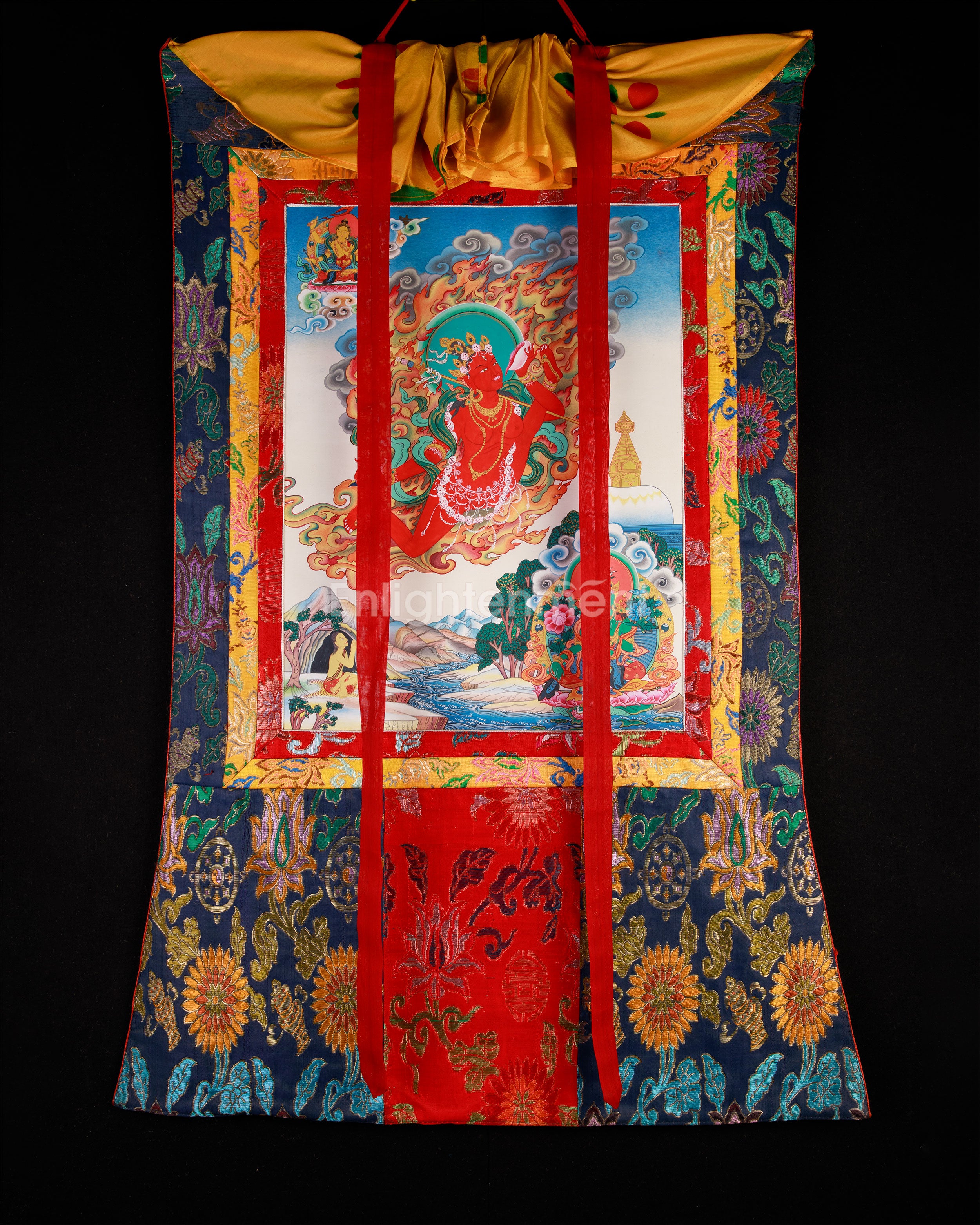
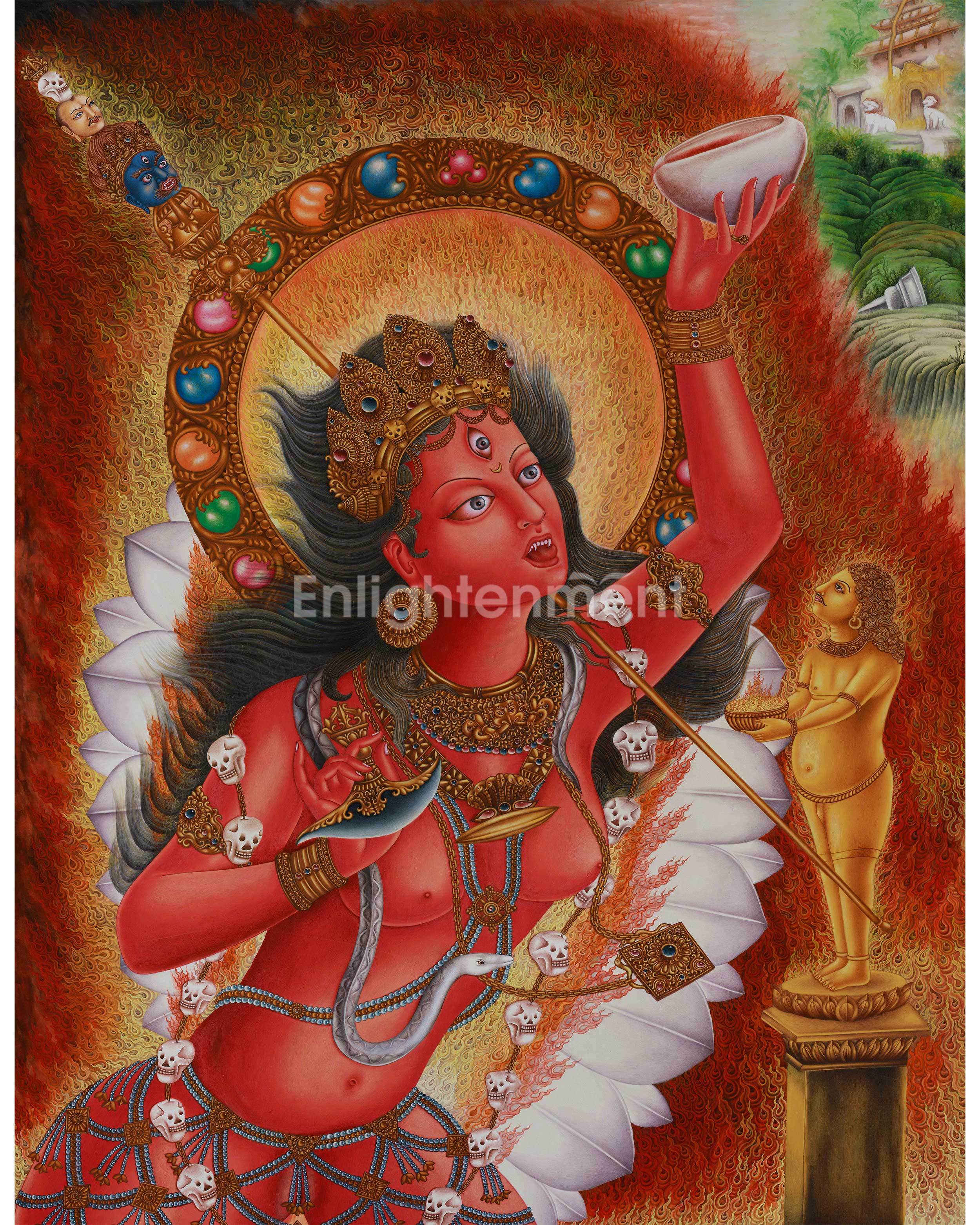
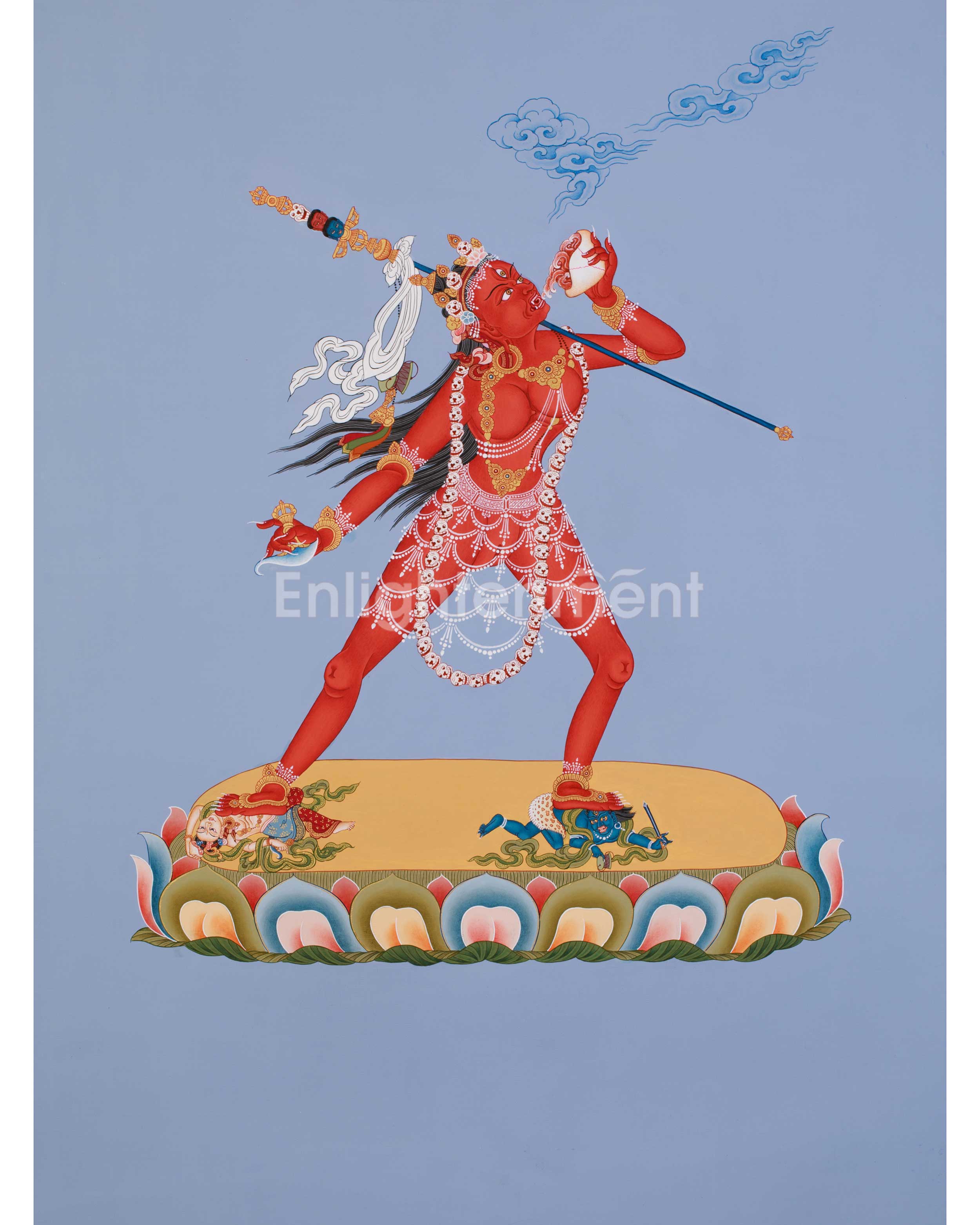
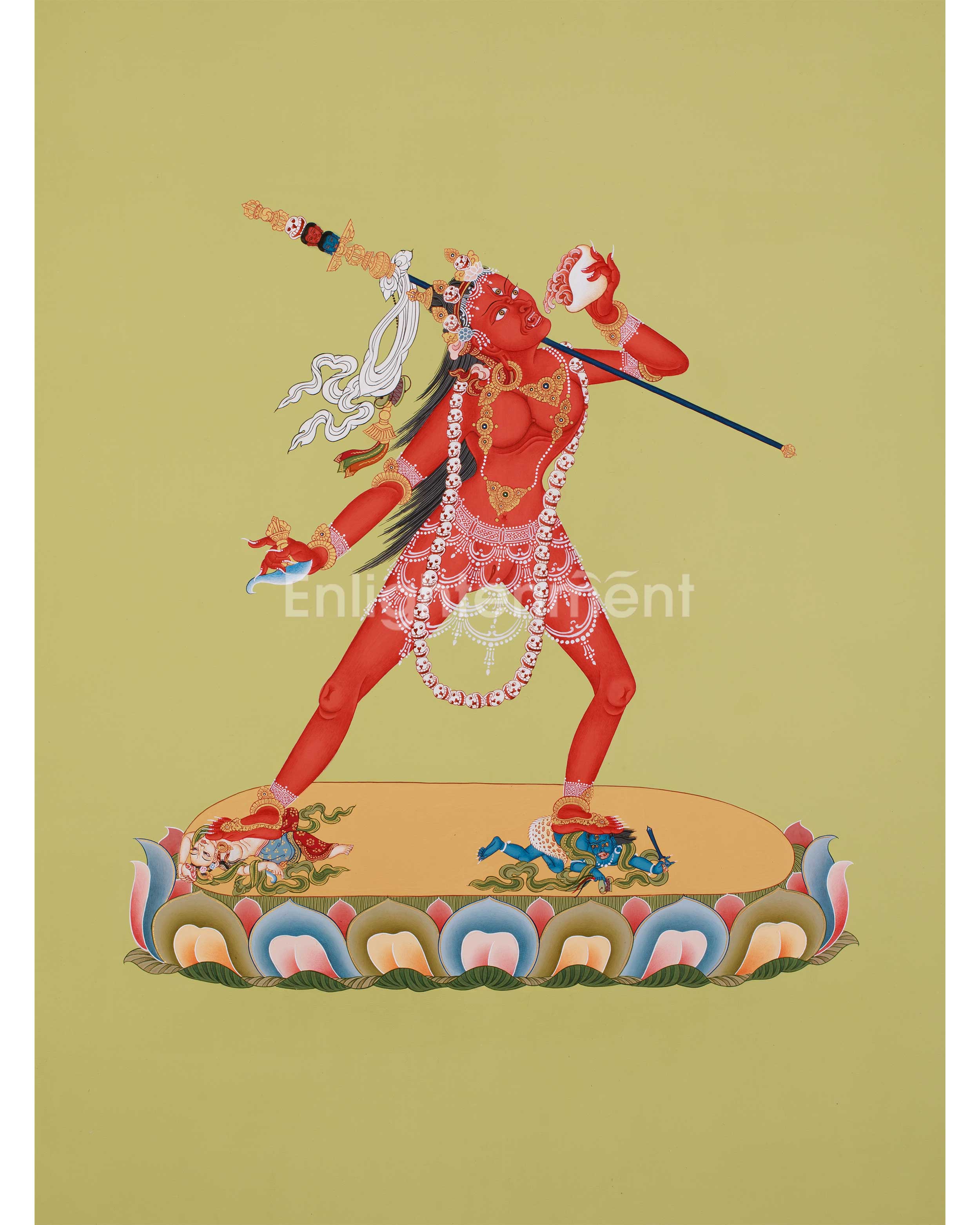
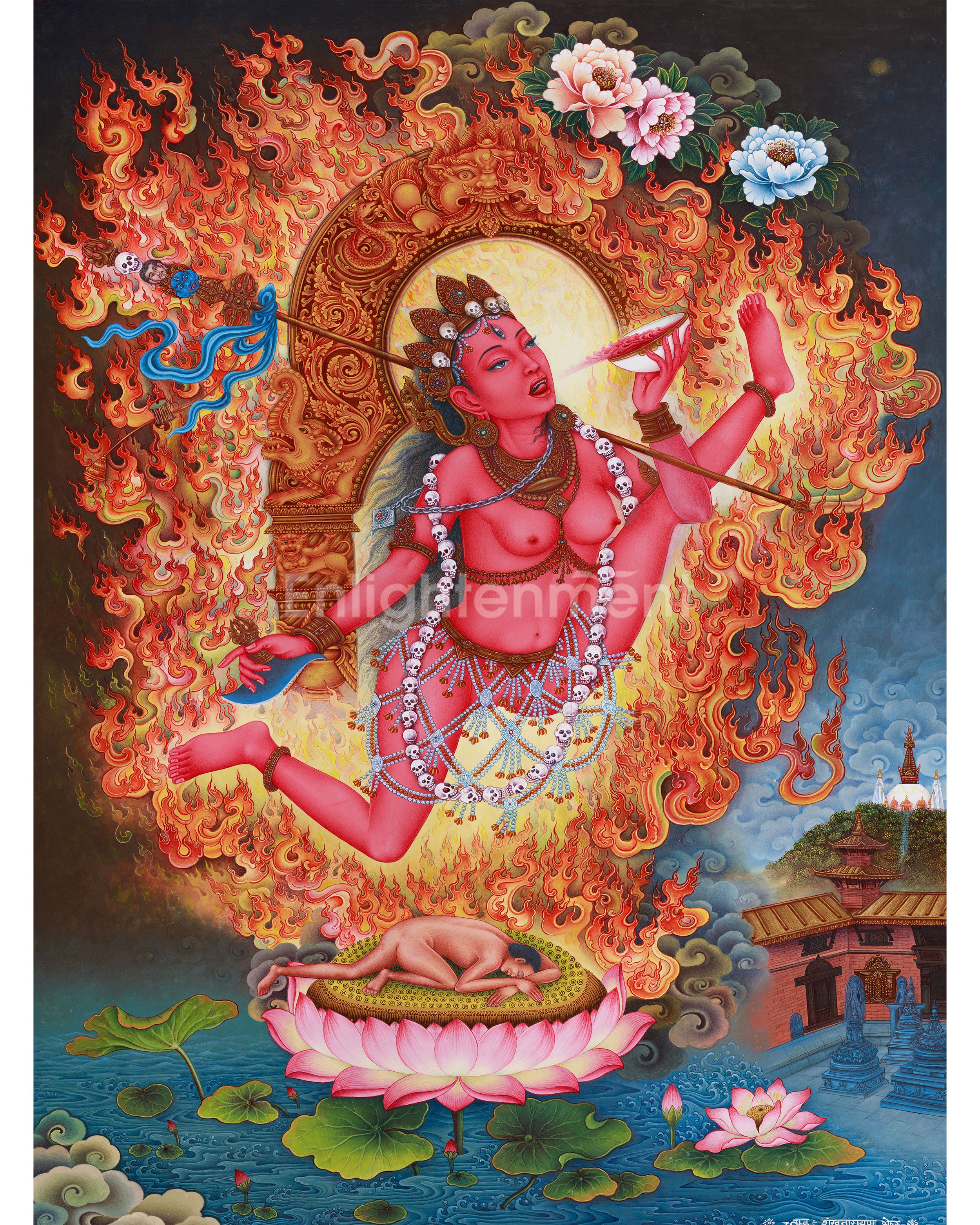
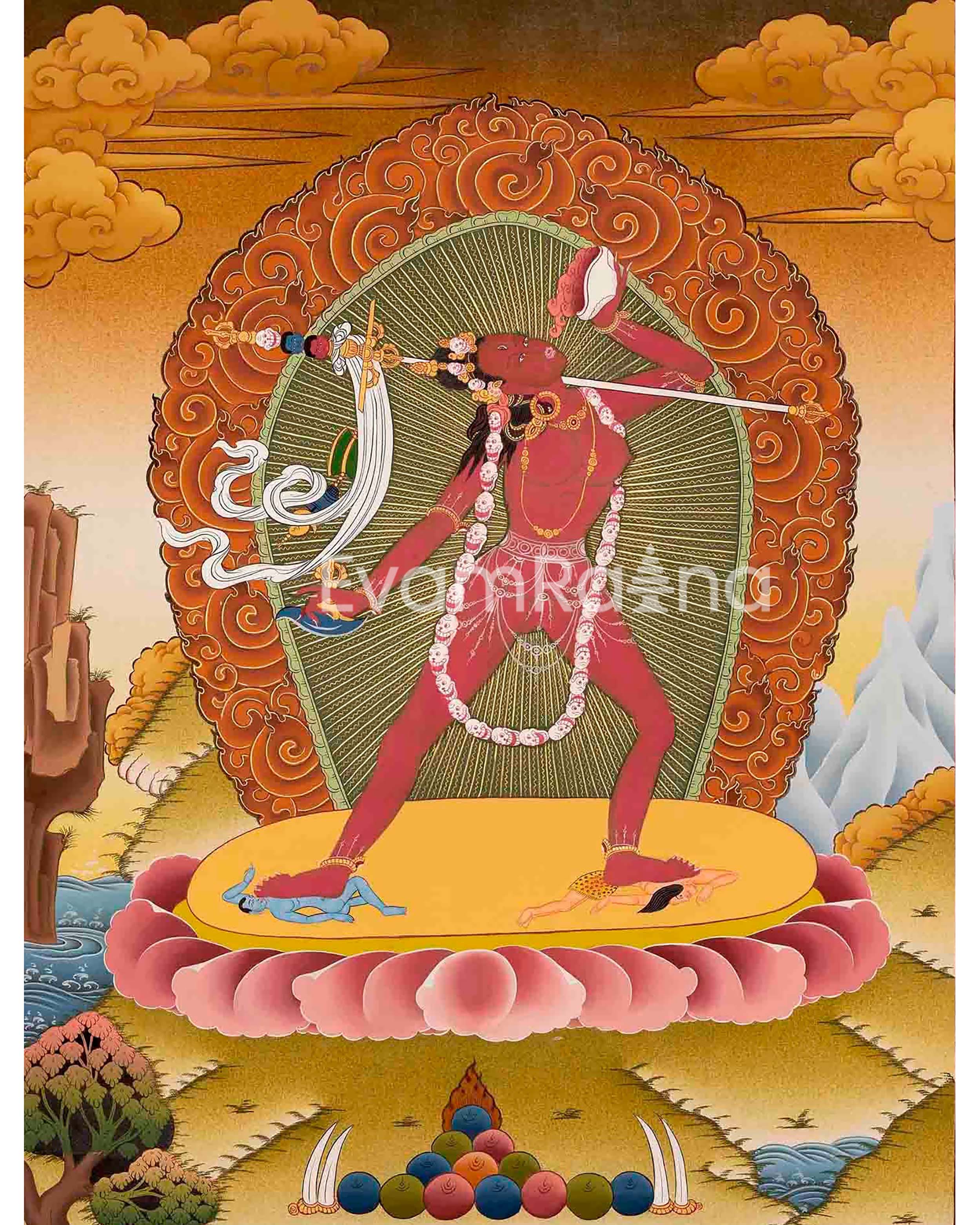
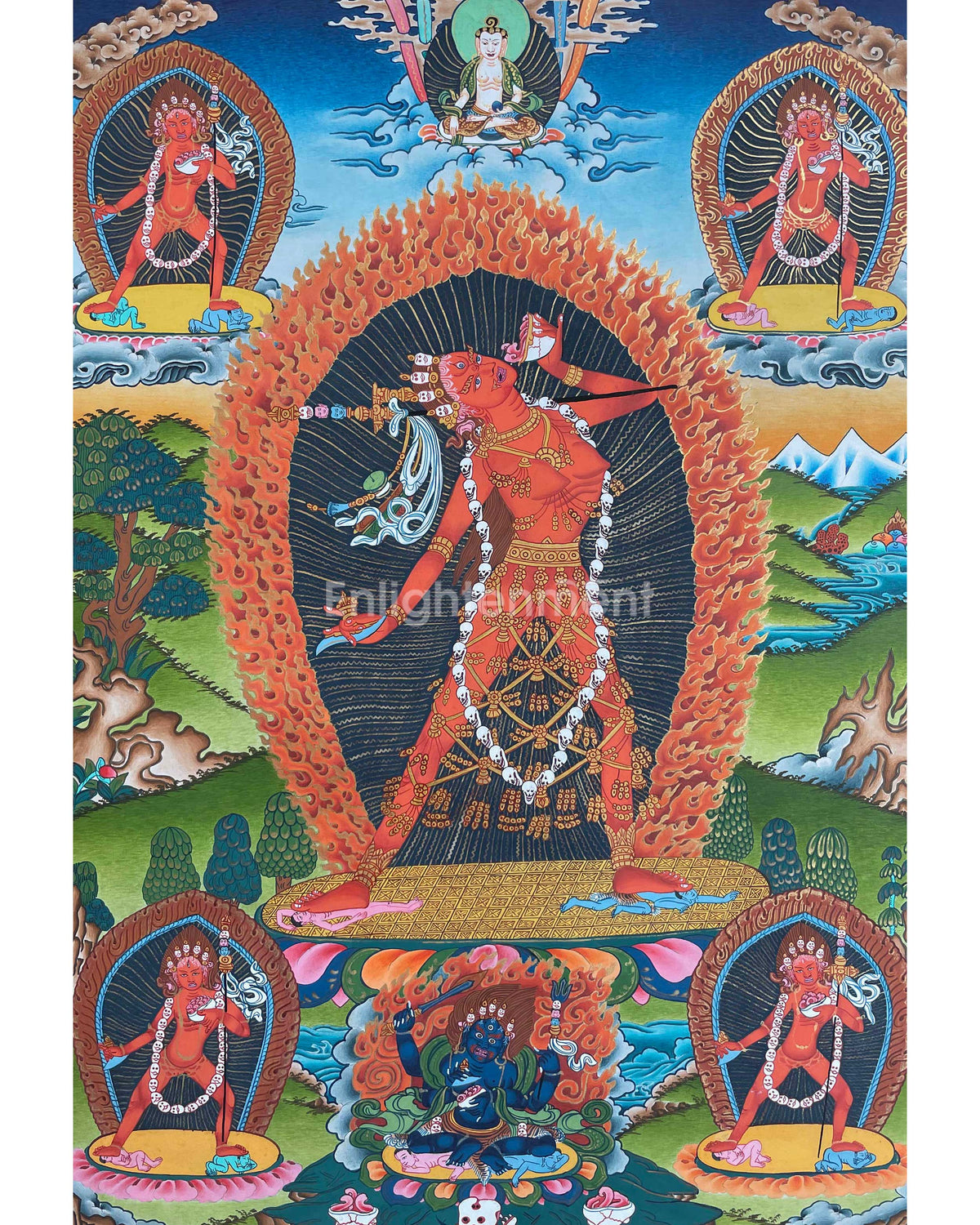
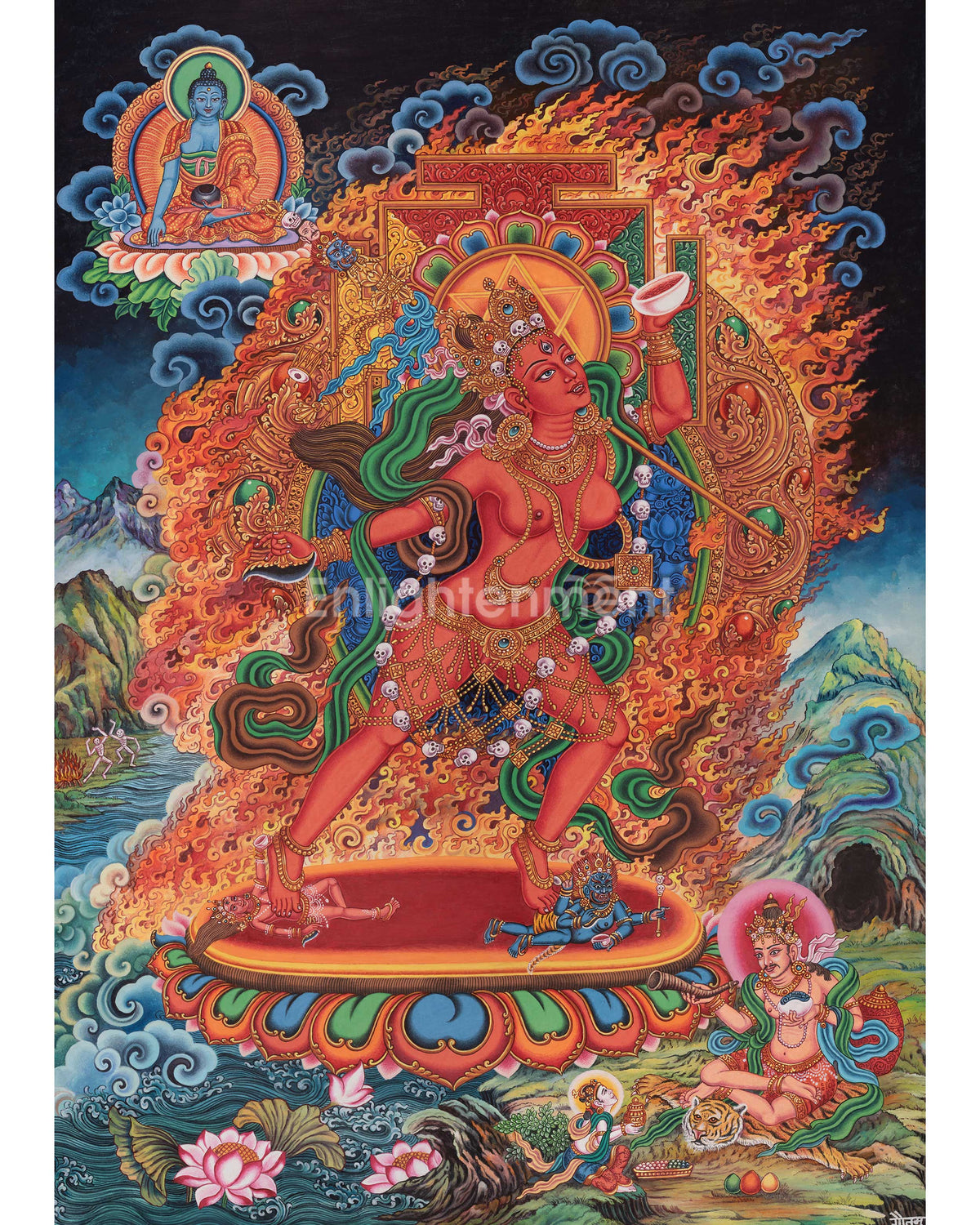
Vajrayogini is one of the most powerful and profound female deities in Vajrayana Buddhism, whose name means "Vajra Female Yogi. She is a fully realized Buddha in female form and represents the transcendence of desire, passion, and raw energy into wisdom and liberation. Vajrayogini is also a dakini, a sky-dancing form of enlightened feminine energy, and is the fastest method of awakening in the tantric path. Her practice is regarded as one of the most accomplished and beloved among the high-level practitioners of Tibetan Buddhist traditions such as the Sakya, Kagyu and Gelug.
Vajrayogini is represented in quite a different manner from many peaceful and serene deities, dancing on a lotus and sun disc, embodying fierce compassion and untamed spiritual energy. She embodies the direct experience of emptiness and bliss, which are the same, transcending ignorance, ego, and attachment uncompromisingly. The painting of Vajrayogini is not just a devotional image, but also a potent tool for meditation and spiritual practice, aimed at cultivating inner strength, dispelling delusions, and awakening the untamed and fearless energy that she embodies.
Iconography and Symbolism
-
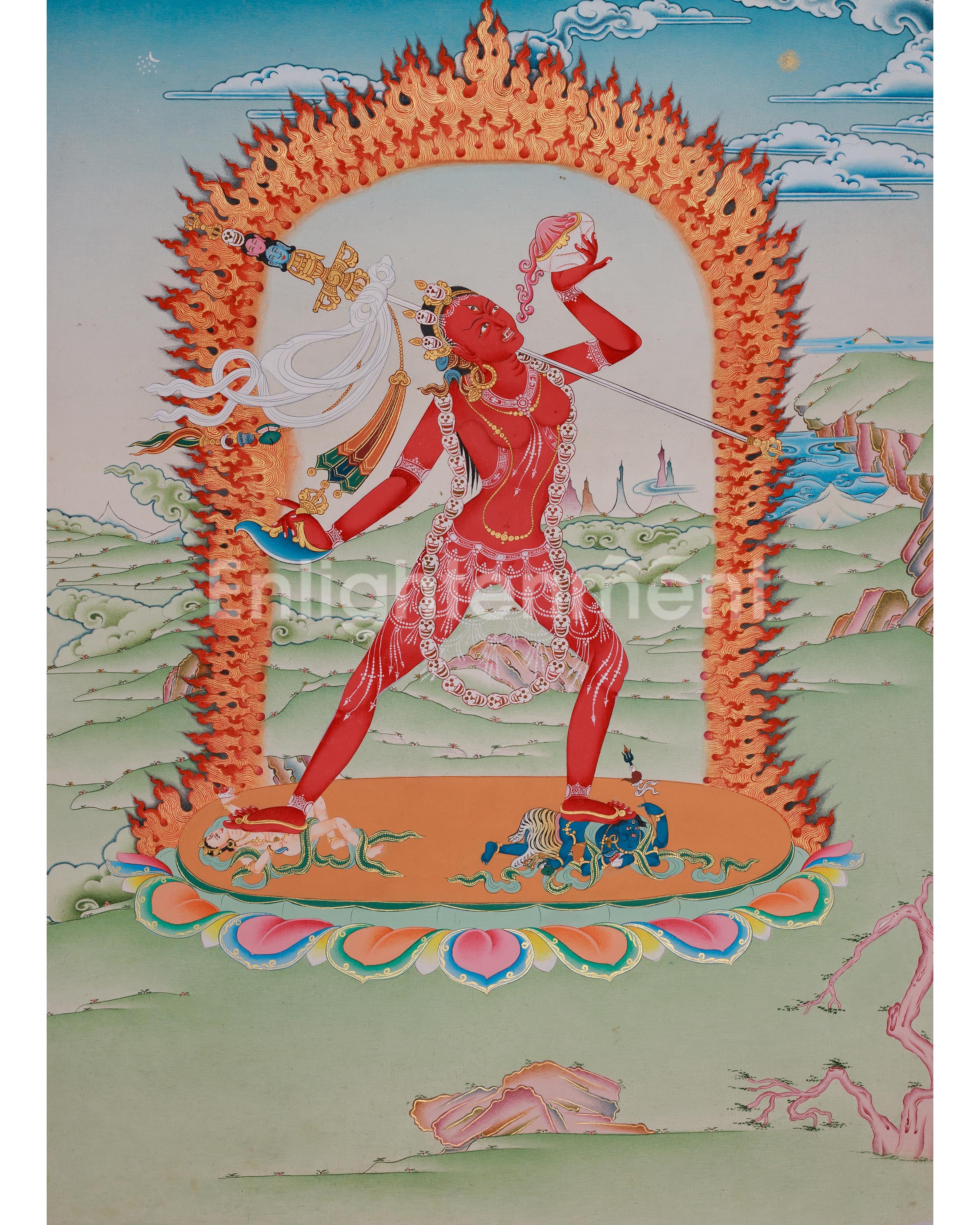
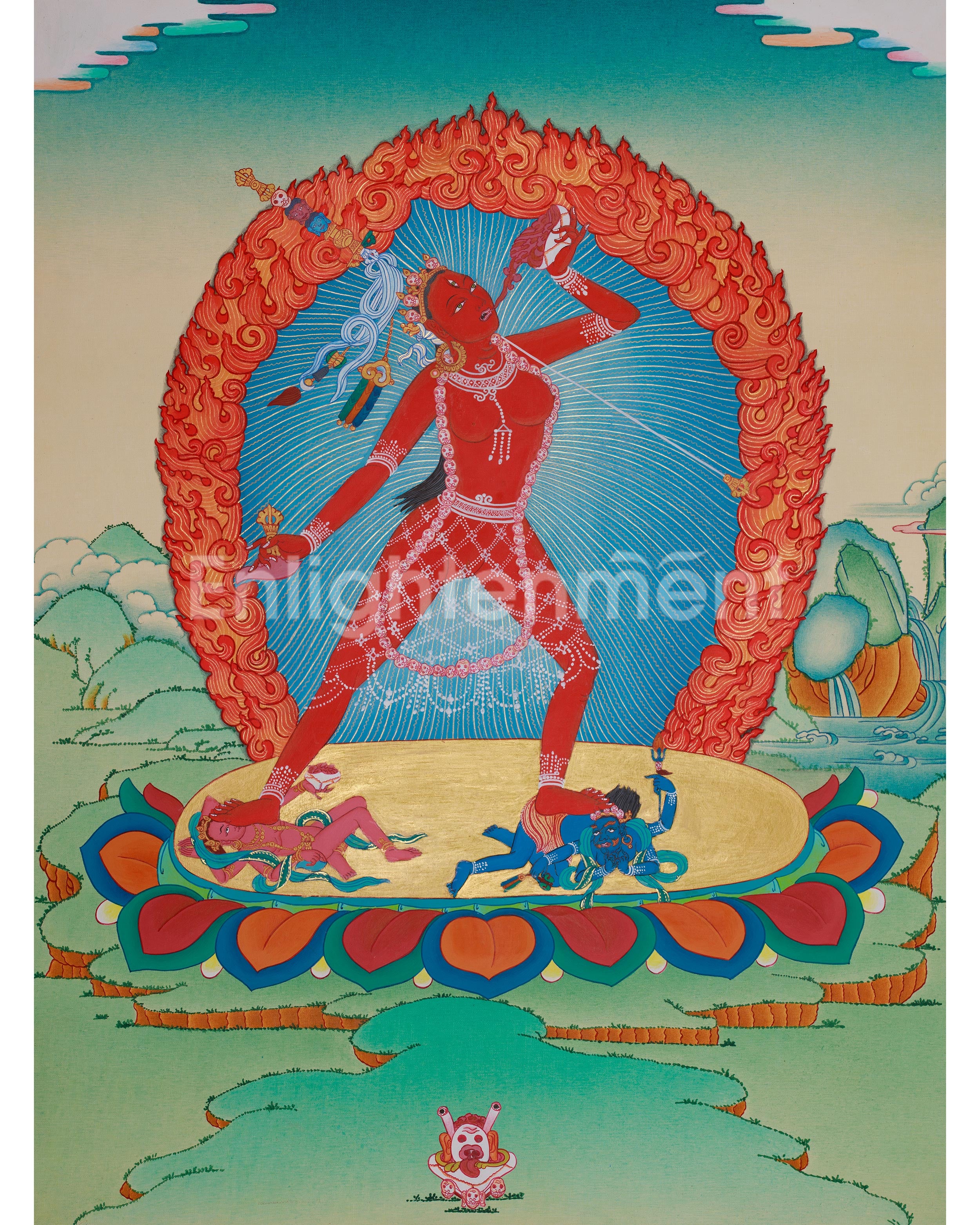
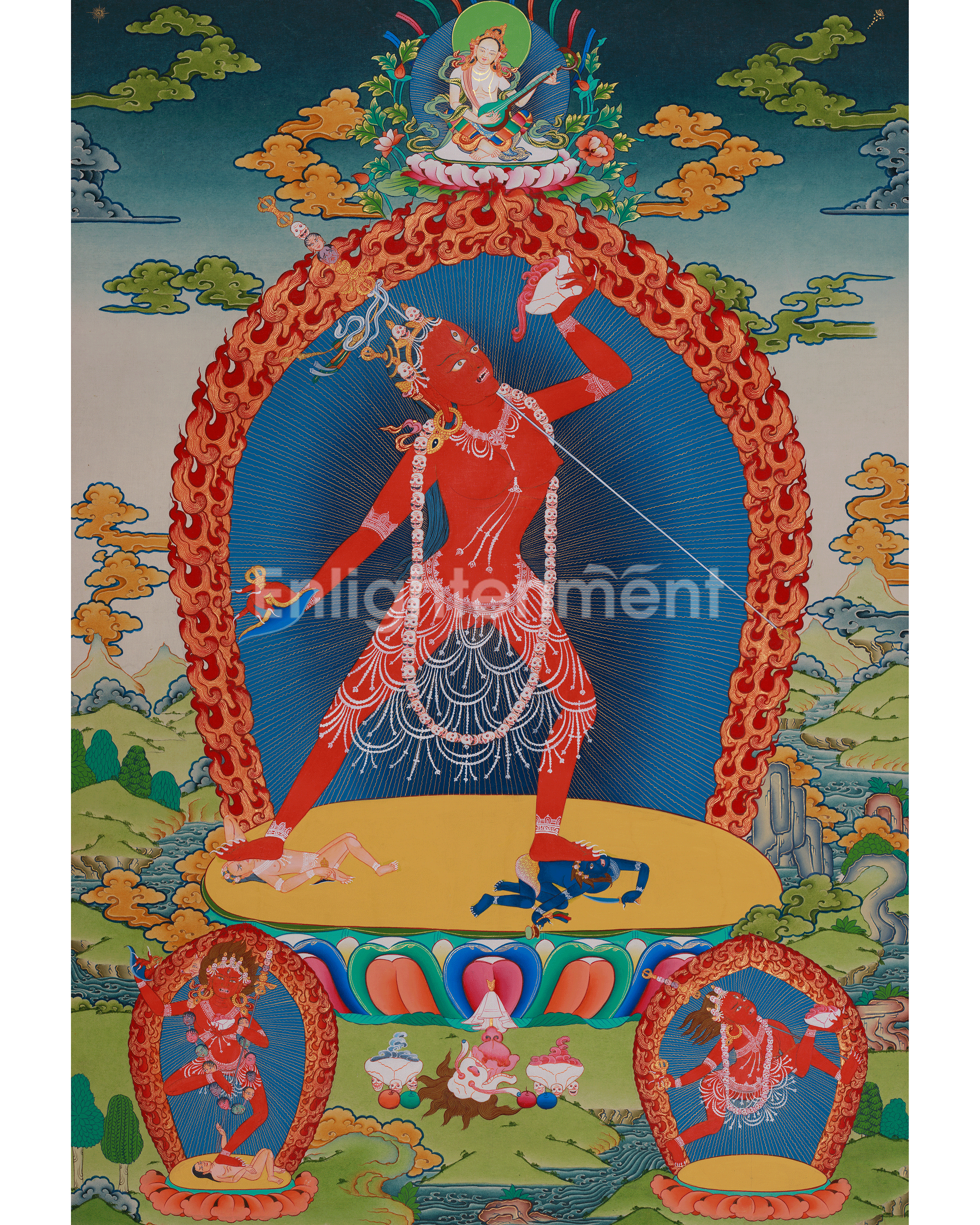
The body of this deity is almost all red, which symbolizes the transformation of desire and passion into transcendent wisdom.
-
She stands on a lotus, sun disc, and sometimes a prostrate figure in a dynamic dancing posture.
-
In right hand, she holds a kartika which is a curved knife representing the dissolution of dualistic thought, attachment, and ego-self in her right hand.
-
On the other hand, she carries a skull cup (kapala) filled with blood or nectar, symbolizing the ability to transform the poisons of the world into blissful wisdom.
-
A khatvanga staff is positioned along her shoulder, indicating her integration with the consort principle and her expertise in skillful means. Along her shoulder is a khatvanga staff, symbolizing her connection with the consort principle and her mastery of skillful means.
-
Her head is crowned with a skull and a garland of skulls, which symbolize the defeat of the five and one negative mental states, and the impermanence of all phenomena.
-
Her single face and two arms are a symbol of her combined wrathful power and compassionate wisdom, while her youthful and fierce expression signifies her fierce power.
-
Surrounding her are flames symbolizing the transformative power of fire, burning away ignorance and obscuration.
-
Loose flowing hair means freedom from conventional restraint and the freedom of the enlightened mind.
What is the best spot for your Thangka of Vajrayogini?
-
Set aside a private meditation spot or altar and use it for this profound piece to complement high-level tantric work and inner change.
-
Strictly place it in a quiet, private room and respect the depth and mystery of this deity.
-
Combine with a soft and warm light to awaken its bright colors and set the tone for focused and contemplative practice.
-
Don't use it in casual rooms such as entryways or kitchens, but select a room where you can sit with purpose and respect.
-
Place it responsibly and at eye level in a valued corner of your common area if you're in a multi-family household, to instill courage and clarity in your home.
A Vajrayogini Thangka is used by people with some initiation or guidance from a qualified tantric teacher, due to its advanced tantric symbolism. But even to those less familiar with her work, this compelling piece is a powerful reminder that the transformative potential exists within us, that there's a way to make even our most challenging emotions just the fuel for awakening.