
Free BrocadeNatural Mineral Colors
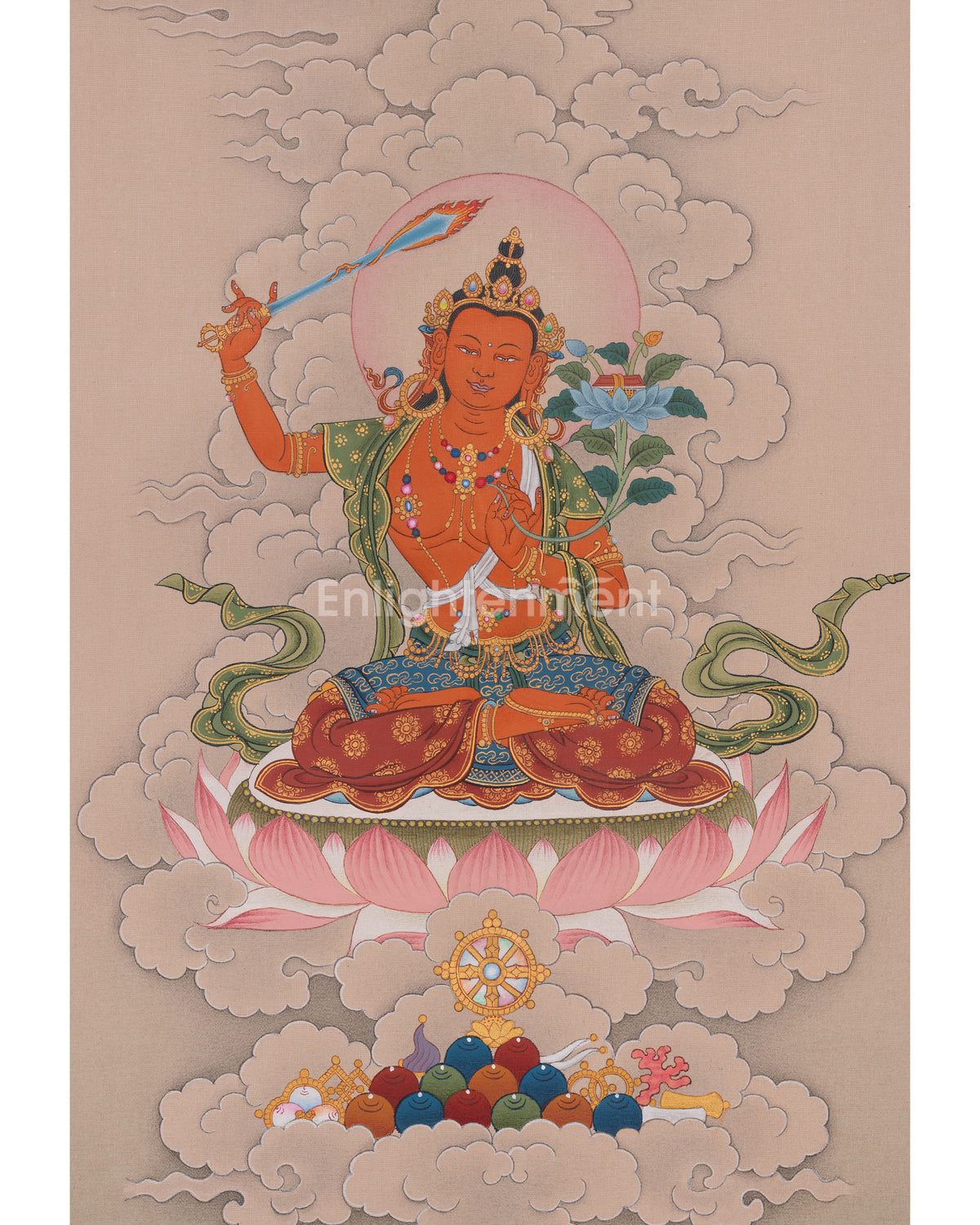
Hand-painted Thangka Of Manjushri | Sword Of Wisdom | Bodhisattva Art
Sale price$820.00
9 x 13 Inches
+1
Free BrocadeNatural Mineral Colors
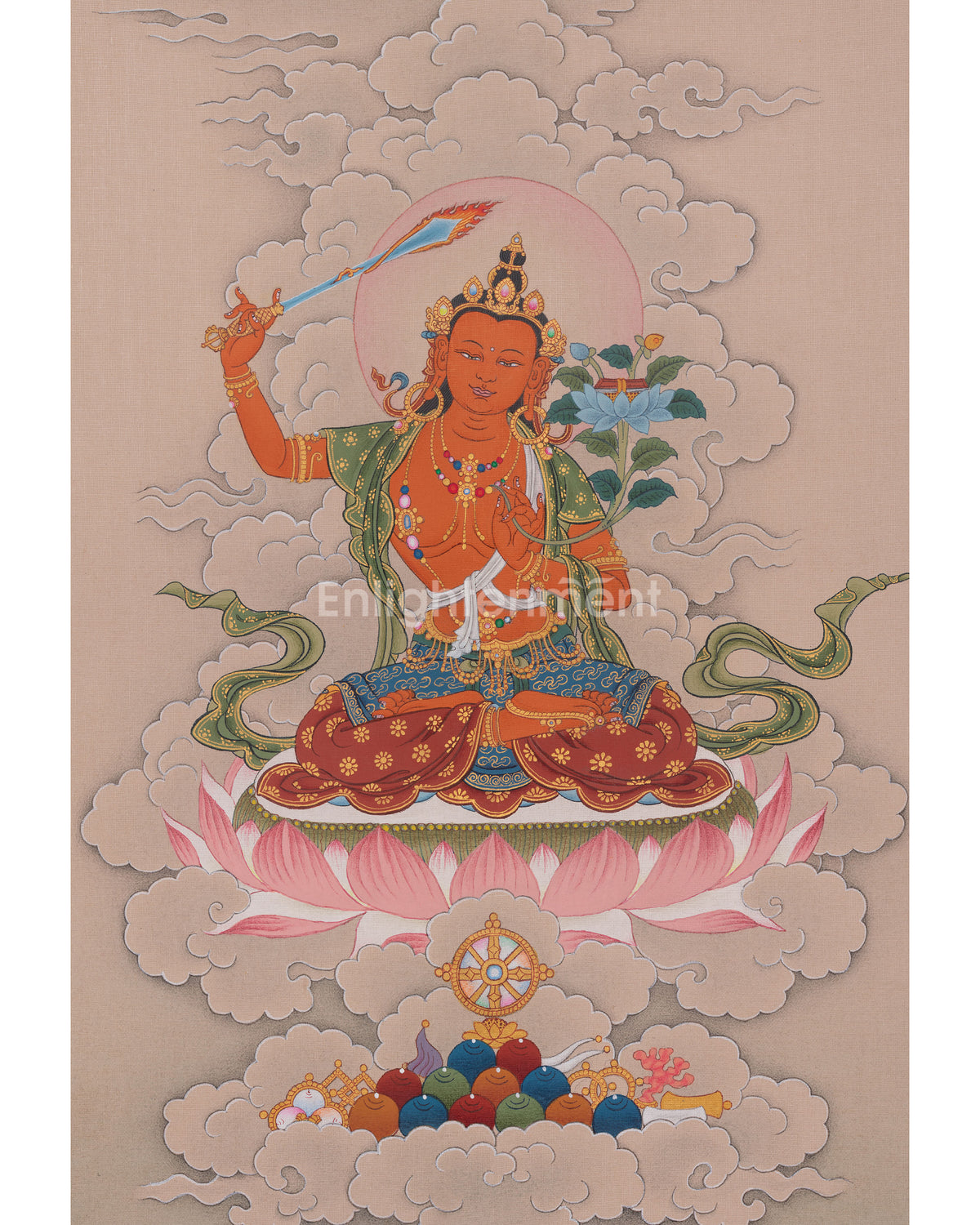
Tibetan Manjushri Art | Sword Of Wisdom | Represents Spiritual Understanding and Awakening
Sale price$820.00
9 x 13 Inches
+1
Free BrocadeNatural Mineral Colors
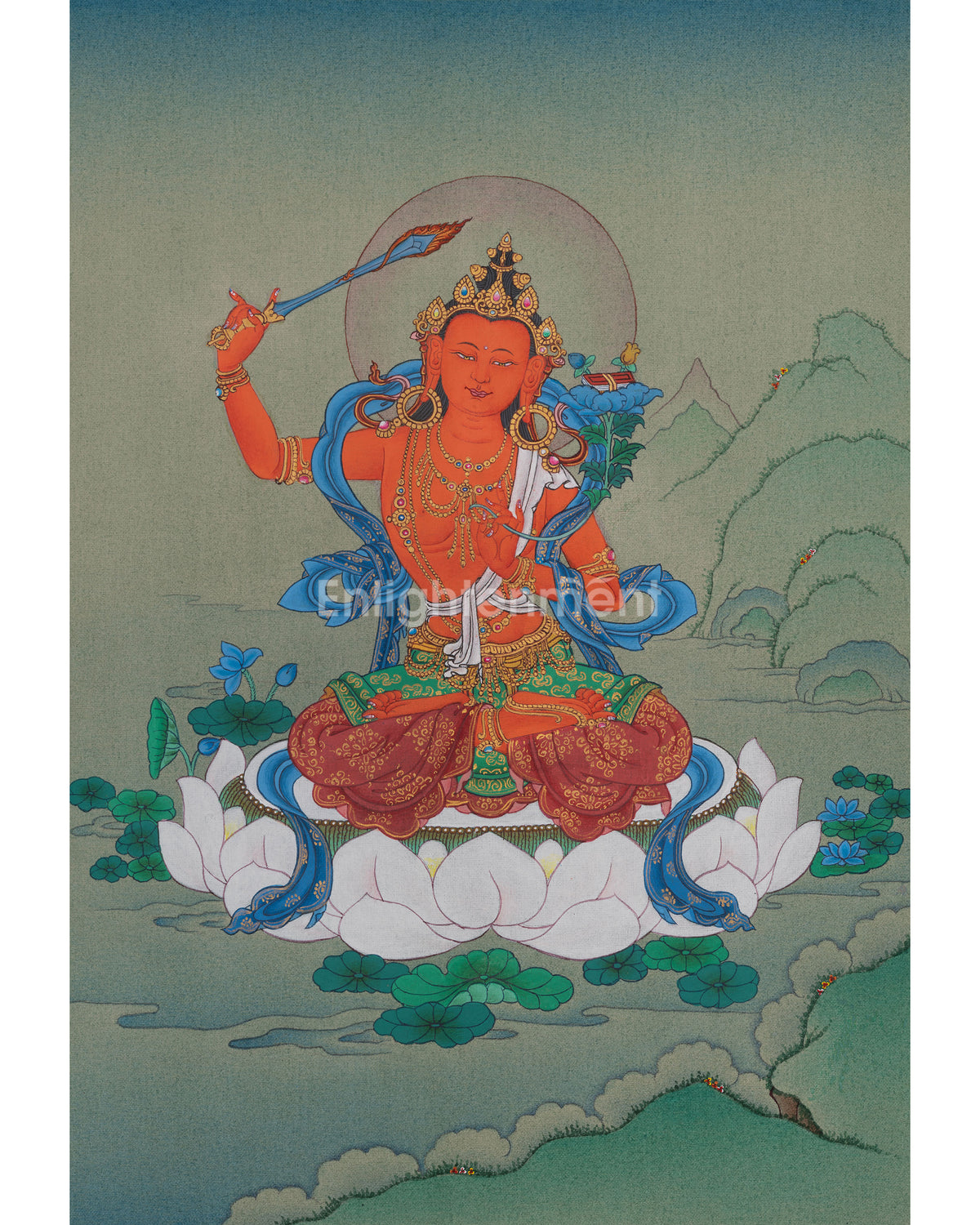
Manjushri Meditation Art | Bodhisattva of Wisdom and Enlightened Knowledge
Sale price$550.00
9 x 13 Inches
+1
Free BrocadeNatural Mineral Colors
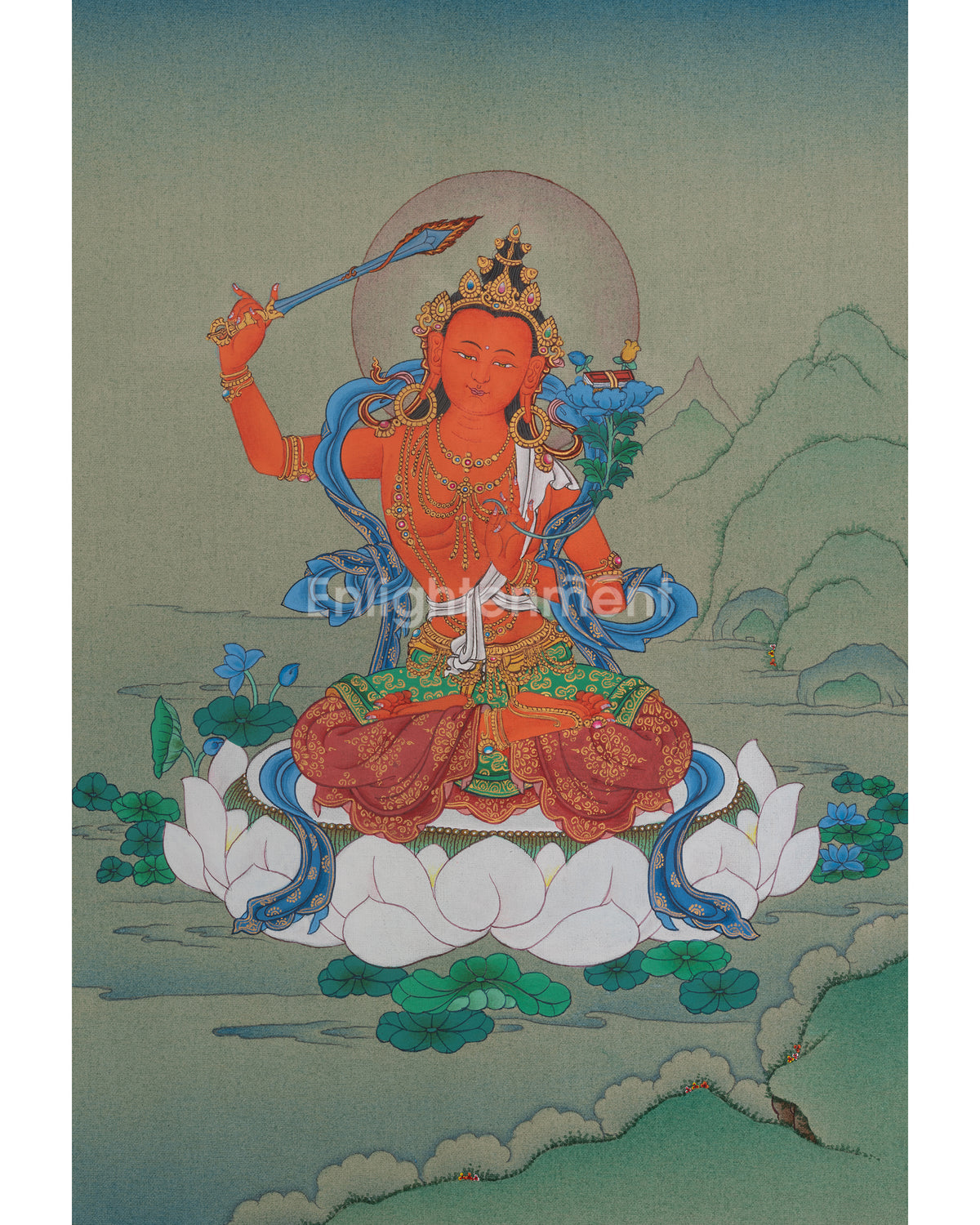
Manjushri Spiritual Artwork | A Sacred Thangka of Knowledge and Enlightenment
Sale price$550.00
9 x 13 Inches
+1
Make An Offer
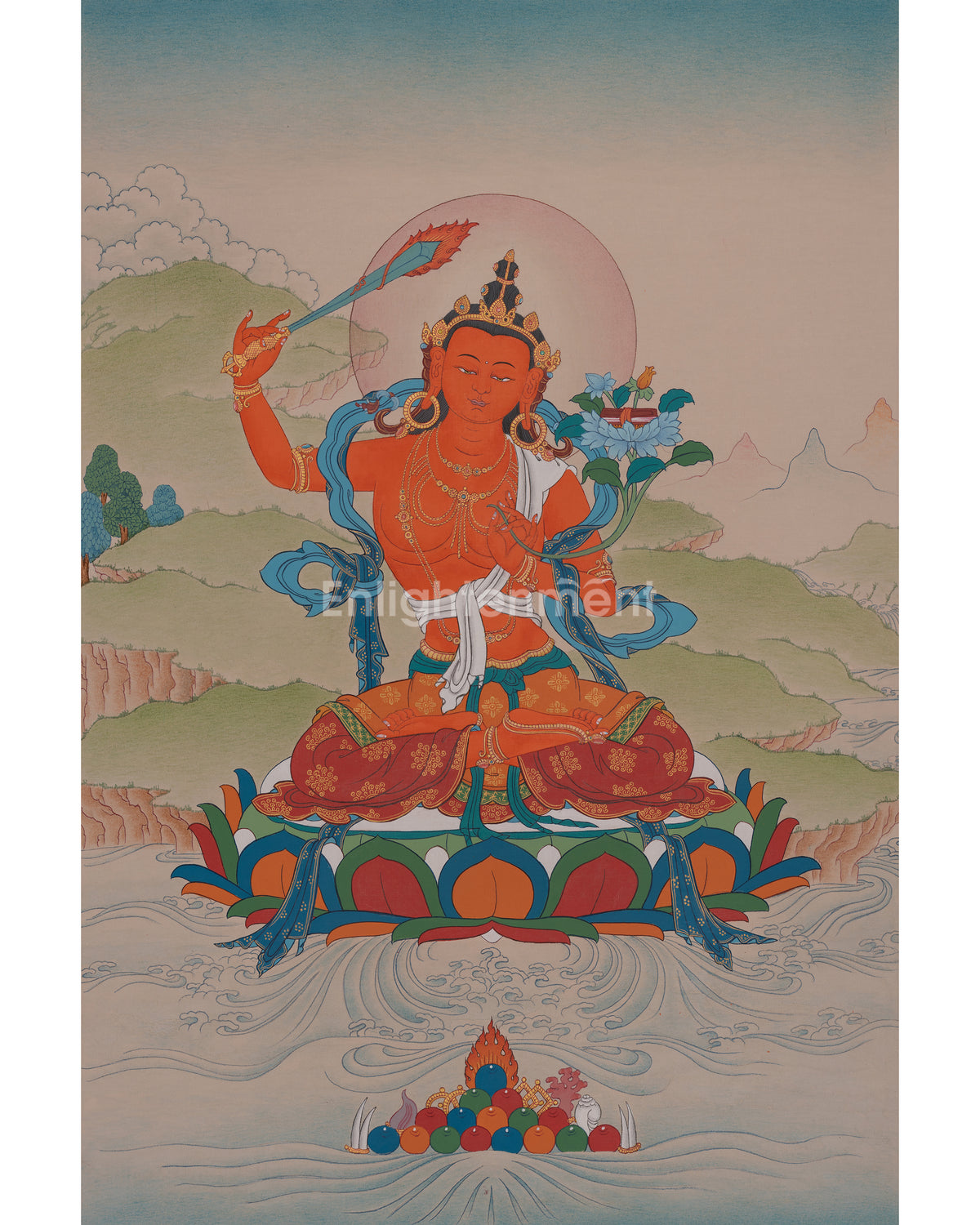
Spiritual Manjushri Artwork | Enlightened Wisdom Deity | Traditional Thangka
Sale price$415.00
16 x 24 Inches
+1
Make An Offer
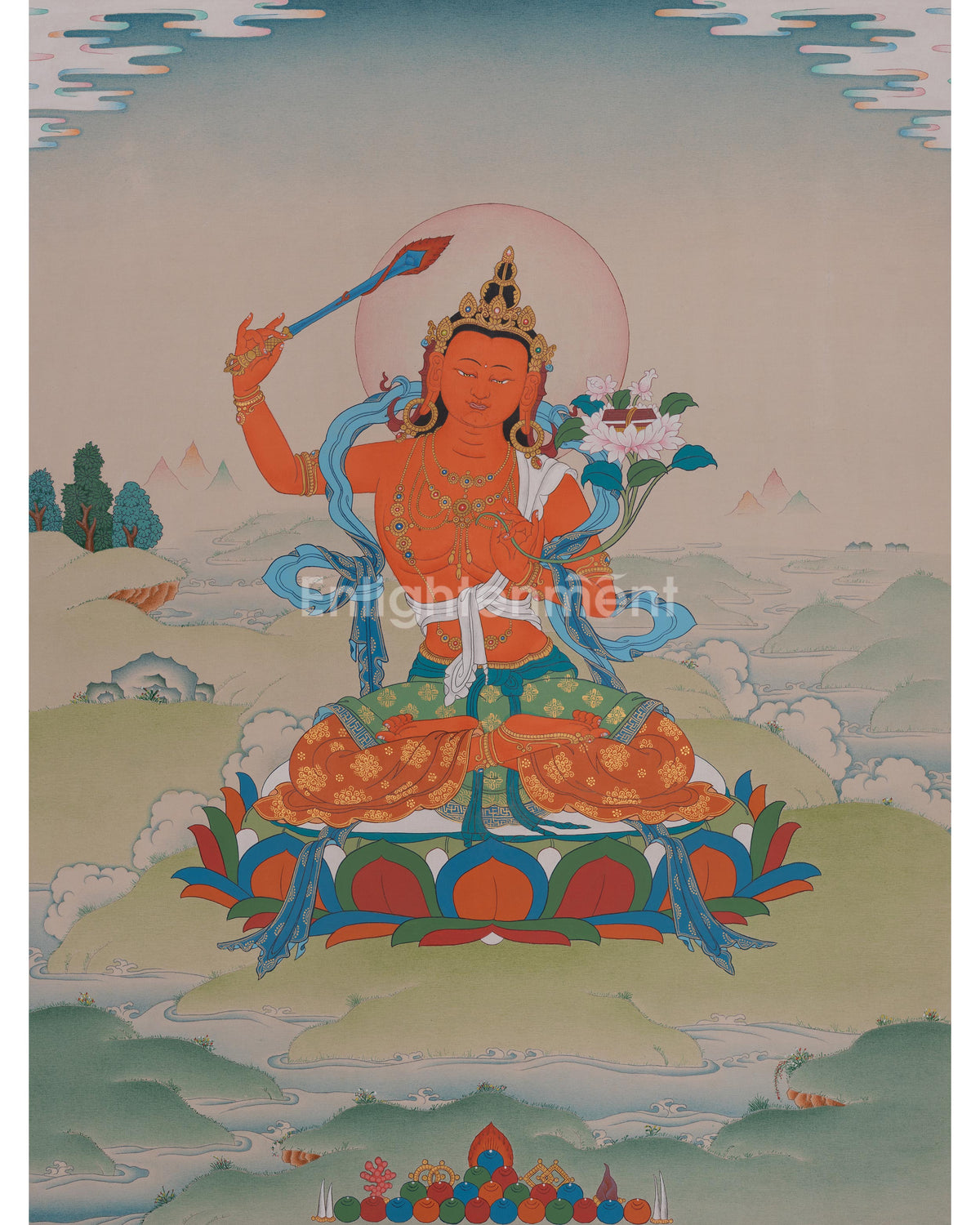
Manjushri Buddhist Artwork | Wisdom Deity | Bodhisattva of Knowledge and Clarity
Sale price$460.00
18 x 24 Inches
+1
Free BrocadeNatural Mineral Colors

Divine Manjushri Thangka | Buddhist Art of Wisdom and Enlightened Knowledge
Sale price$1,880.00
18 x 24 Inches
+1
Free BrocadeNatural Mineral Colors
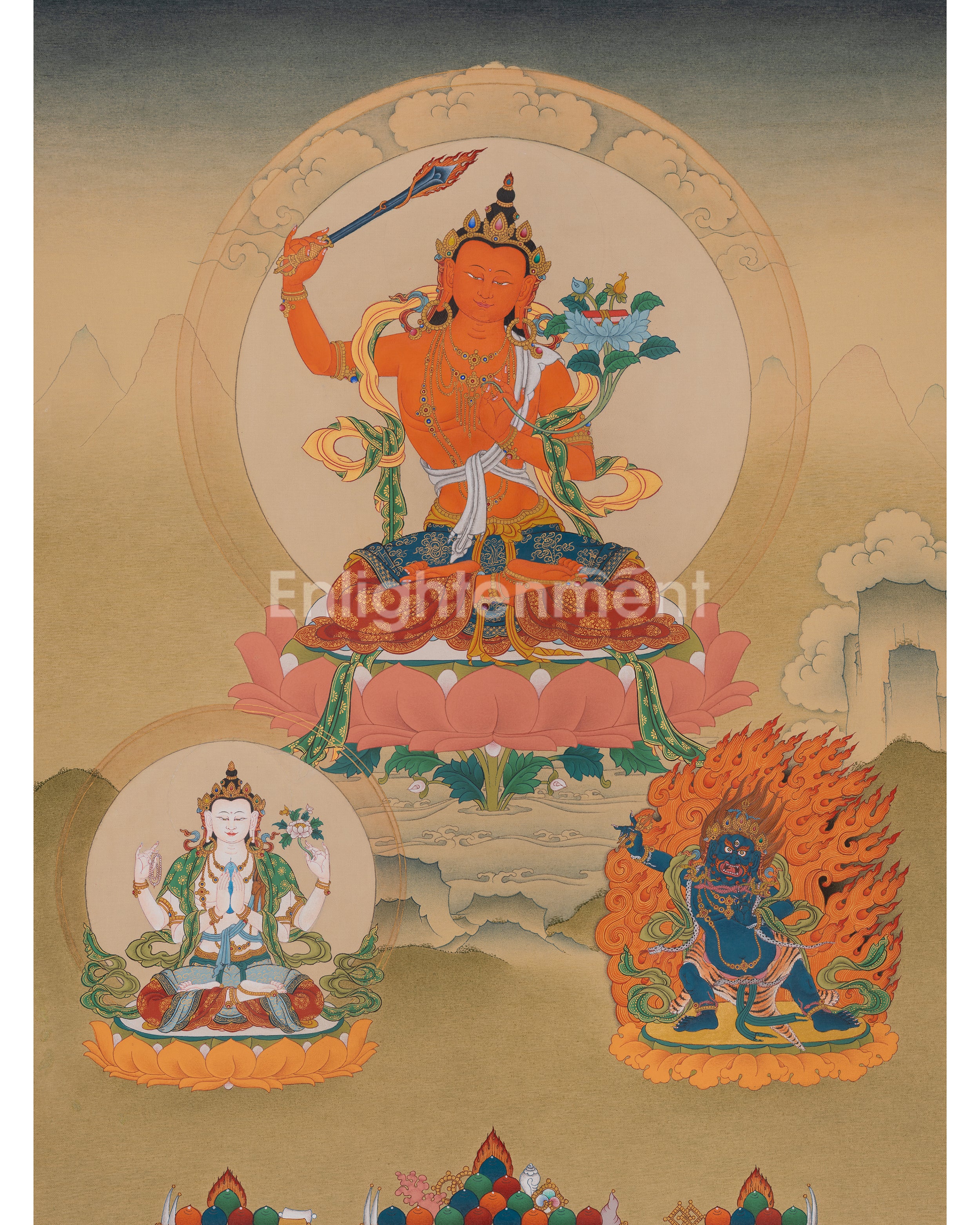
Bodhisattva of Wisdom Deity Manjushri Thangka | Vajrayana Buddhism | Manjughosa Art
Sale price$2,300.00
18 x 24 Inches
+1
Free BrocadeNatural Mineral Colors
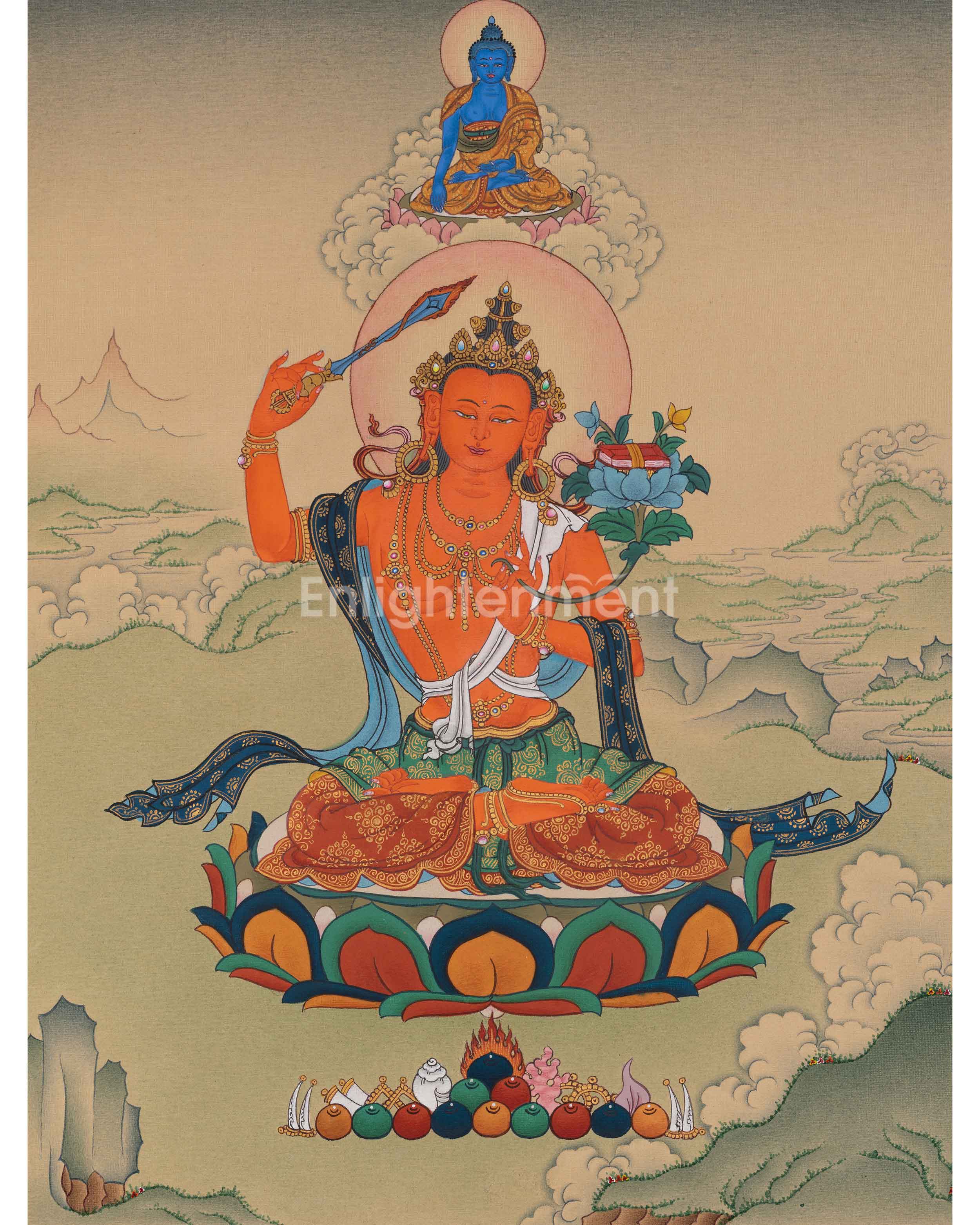
Manjushri Spiritual Art | Bodhisattva of Wisdom | Flaming Sword
Sale price$820.00
10 x 13 Inches
+1
Free BrocadeNatural Mineral Colors
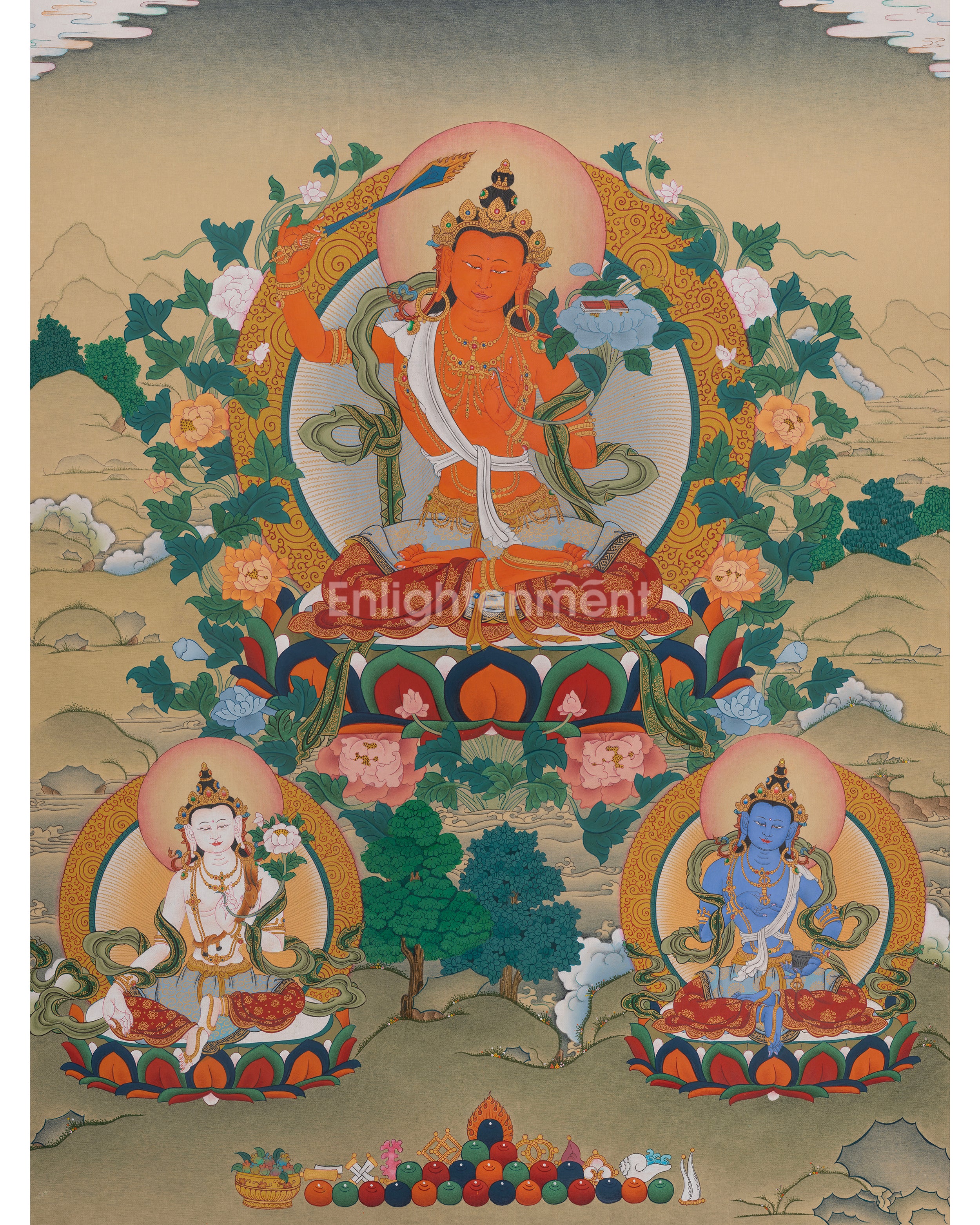
Buddhist Manjushri Art | Transcendent Wisdom | Gentle Glory
Sale price$2,300.00
18 x 24 Inches
+1
Free BrocadeNatural Mineral Colors
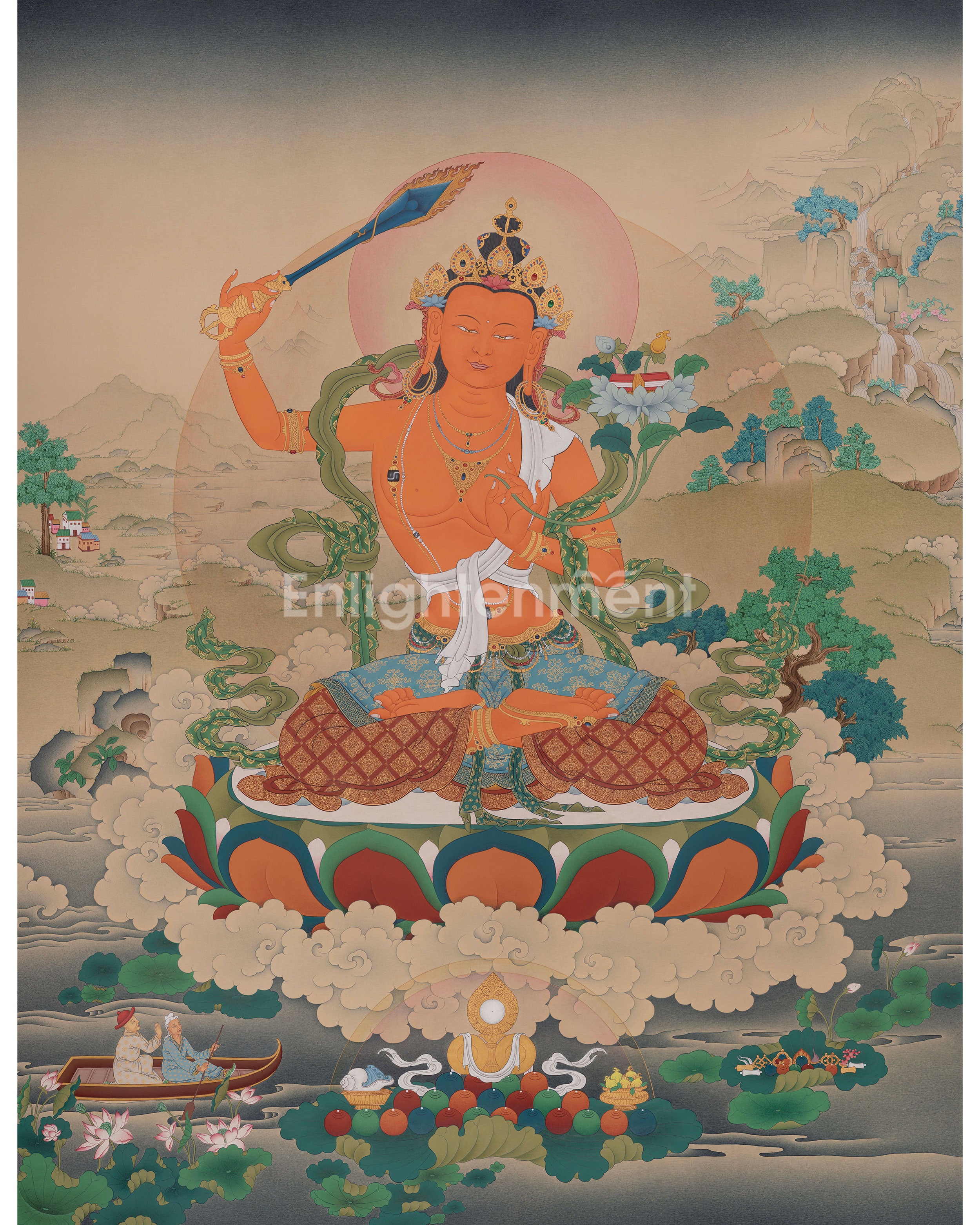
Tibetan Deity Manjushri Art | Representation of Enlightened Wisdom
Sale price$7,110.00
40 x 50 Inches
+1
Free BrocadeNatural Mineral Colors
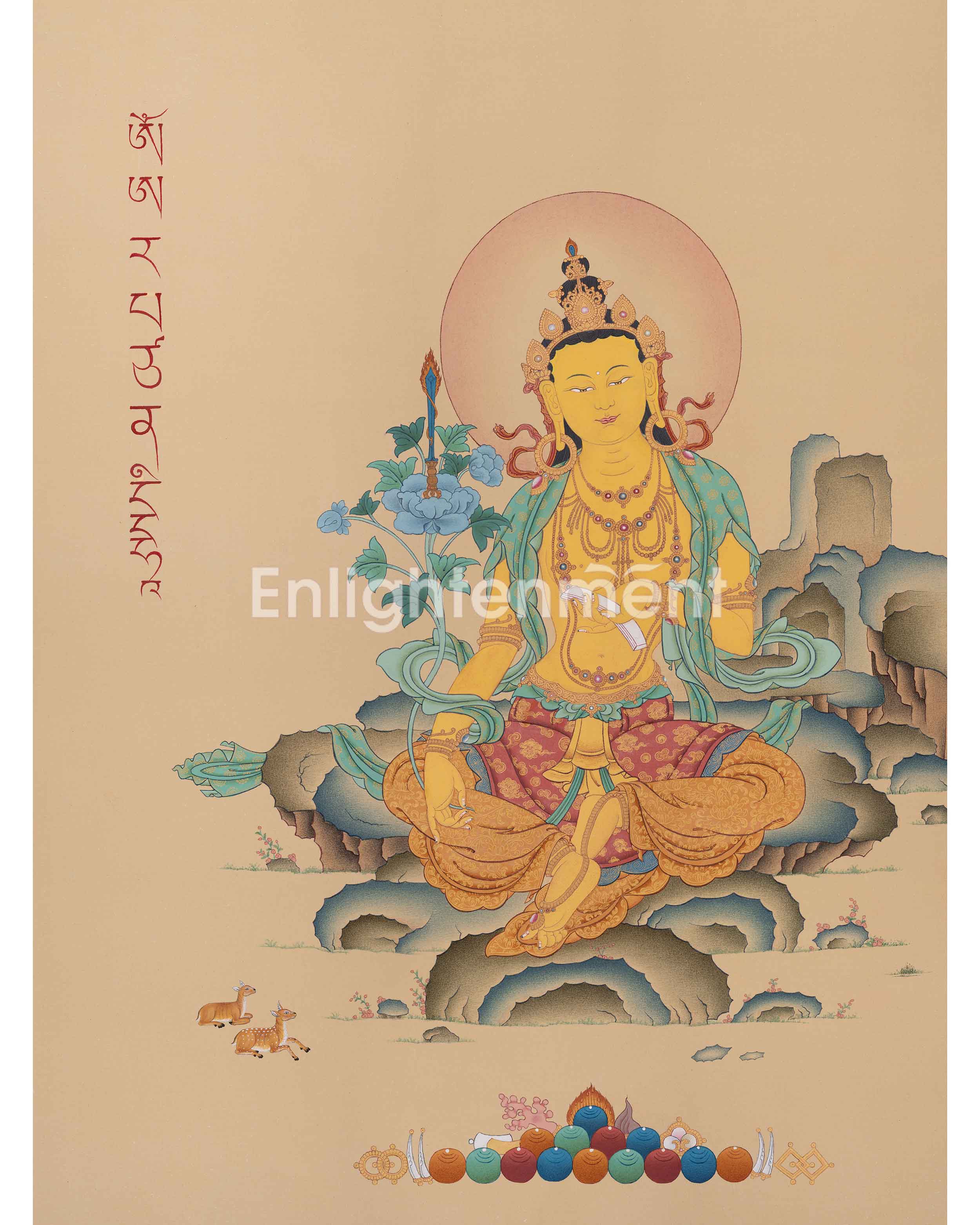
Captivating Manjushri Thangka Masterpiece for Meditation | Bodhisattva Canvas For Spiritual Practice
Sale price$1,640.00
18 x 24 Inches
+1
Free BrocadeNatural Mineral Colors
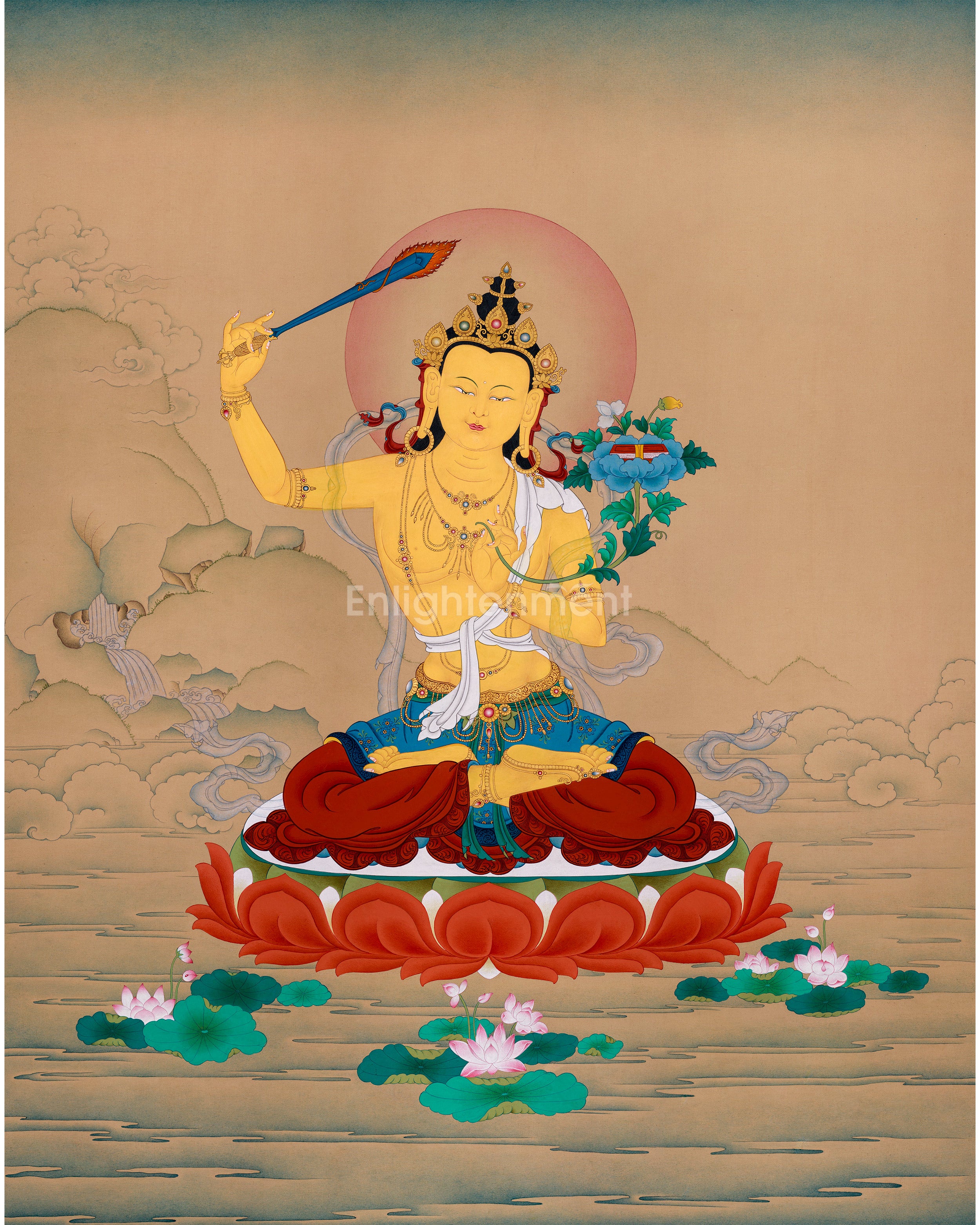
Majestic Wisdom of Manjushri: Grand Representation in Karma Gadri Style
Sale price$4,400.00
30 x 40 Inches
+1
Free BrocadeNatural Mineral Colors
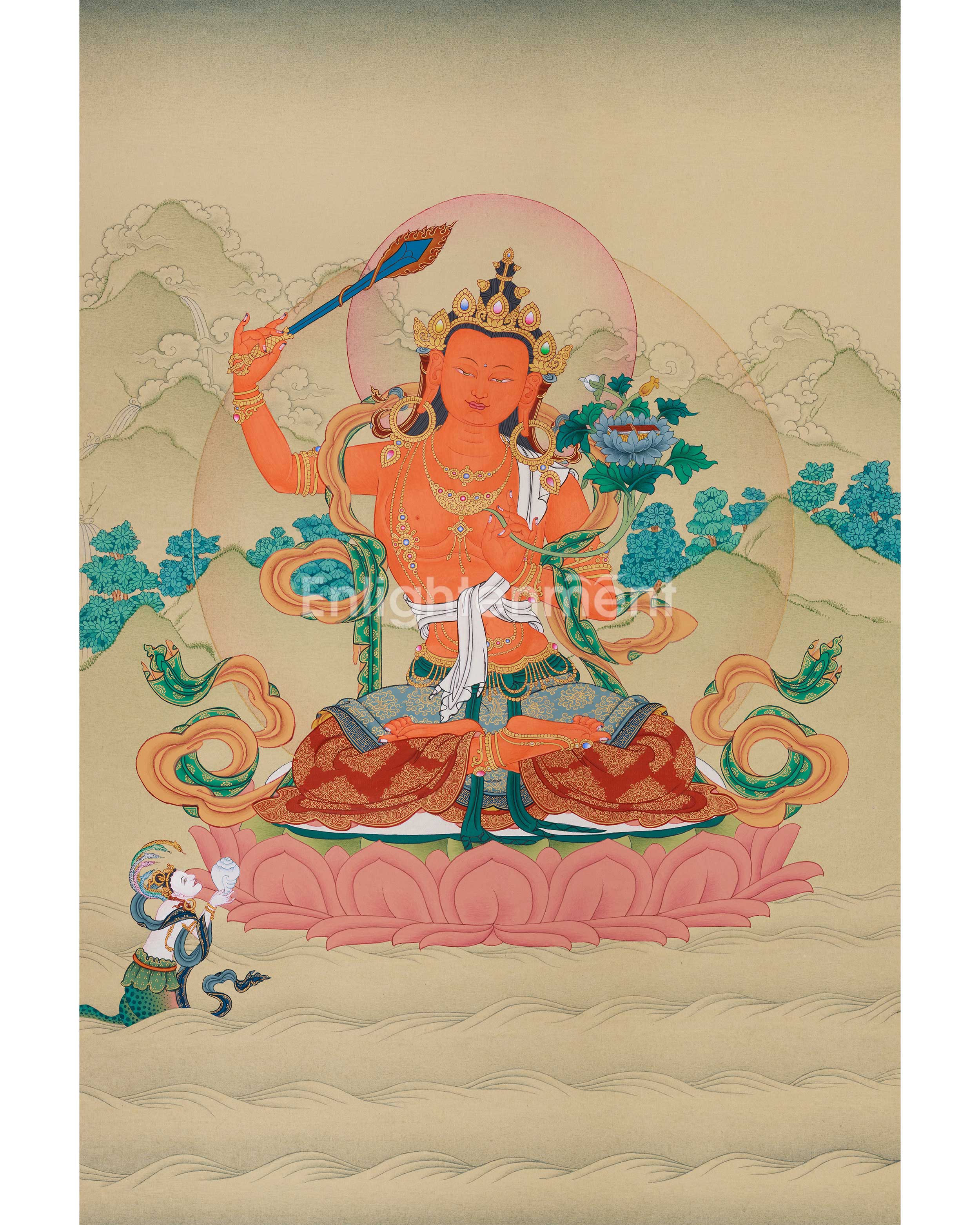
Bodhisattva Manjushri, Wisdom Deity | The Lord of Insight and Supreme Intelligence
Sale price$1,620.00
18 x 24 Inches
+1
Free Brocade
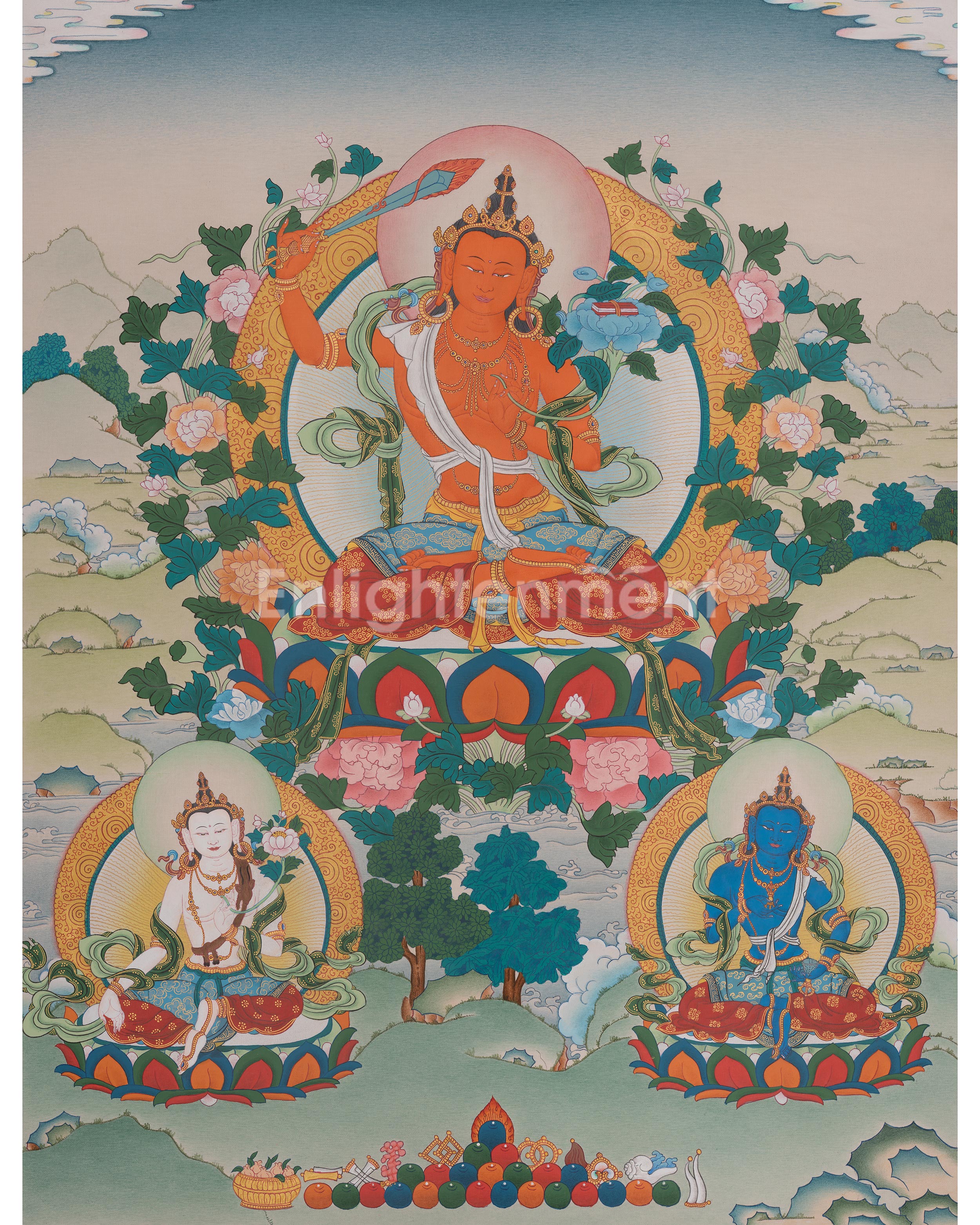
Manjushri Tibetan Artwork | Sword of Wisdom | Bodhisattva Deity
Sale price$740.00
18 x 24 Inches
+1
Make An Offer
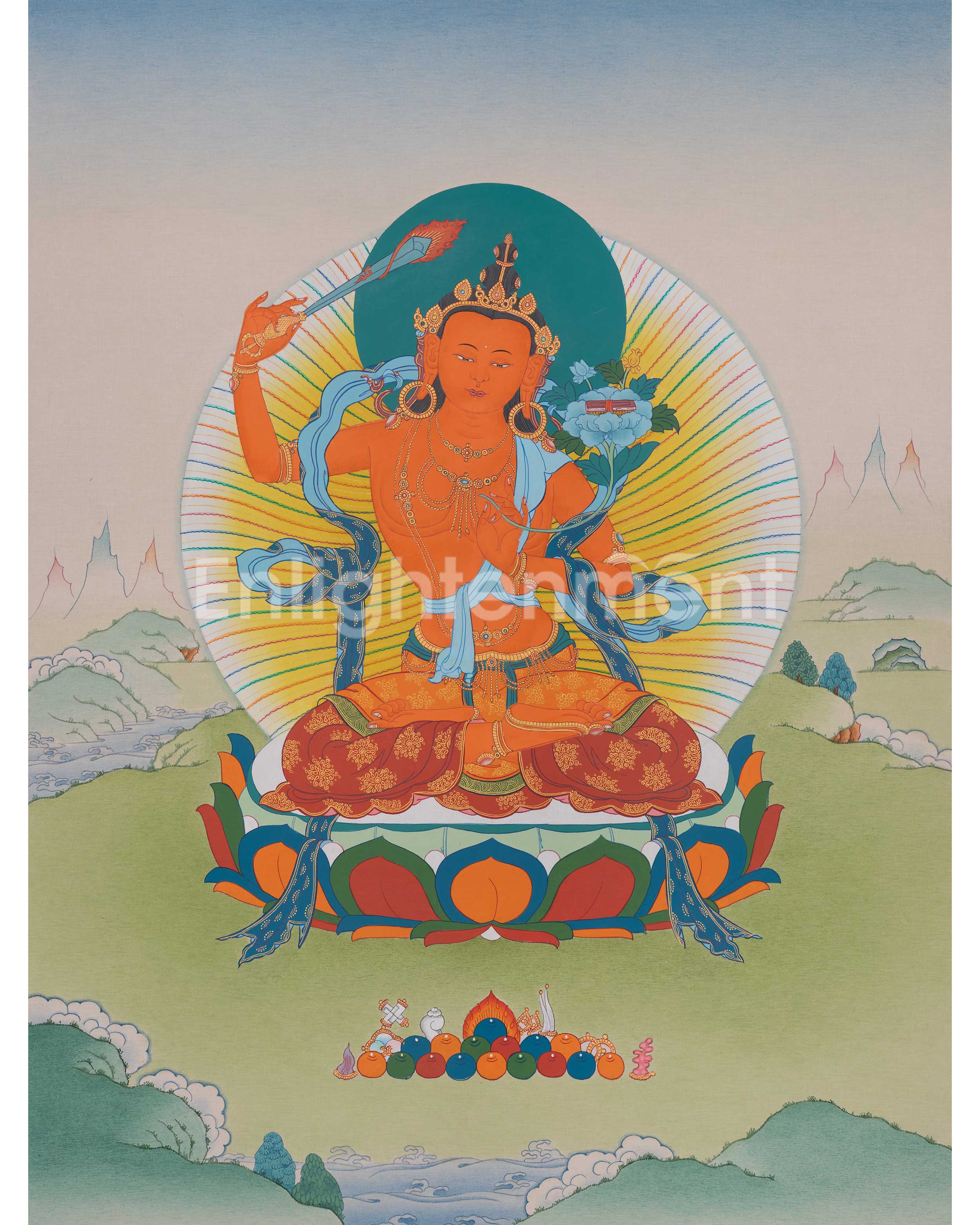
Manjushri Wisdom Deity Artwork | Tibetan Thangka of Enlightened Knowledge
Sale price$415.00
18 x 24 Inches
+1
Make An OfferNatural Mineral Colors
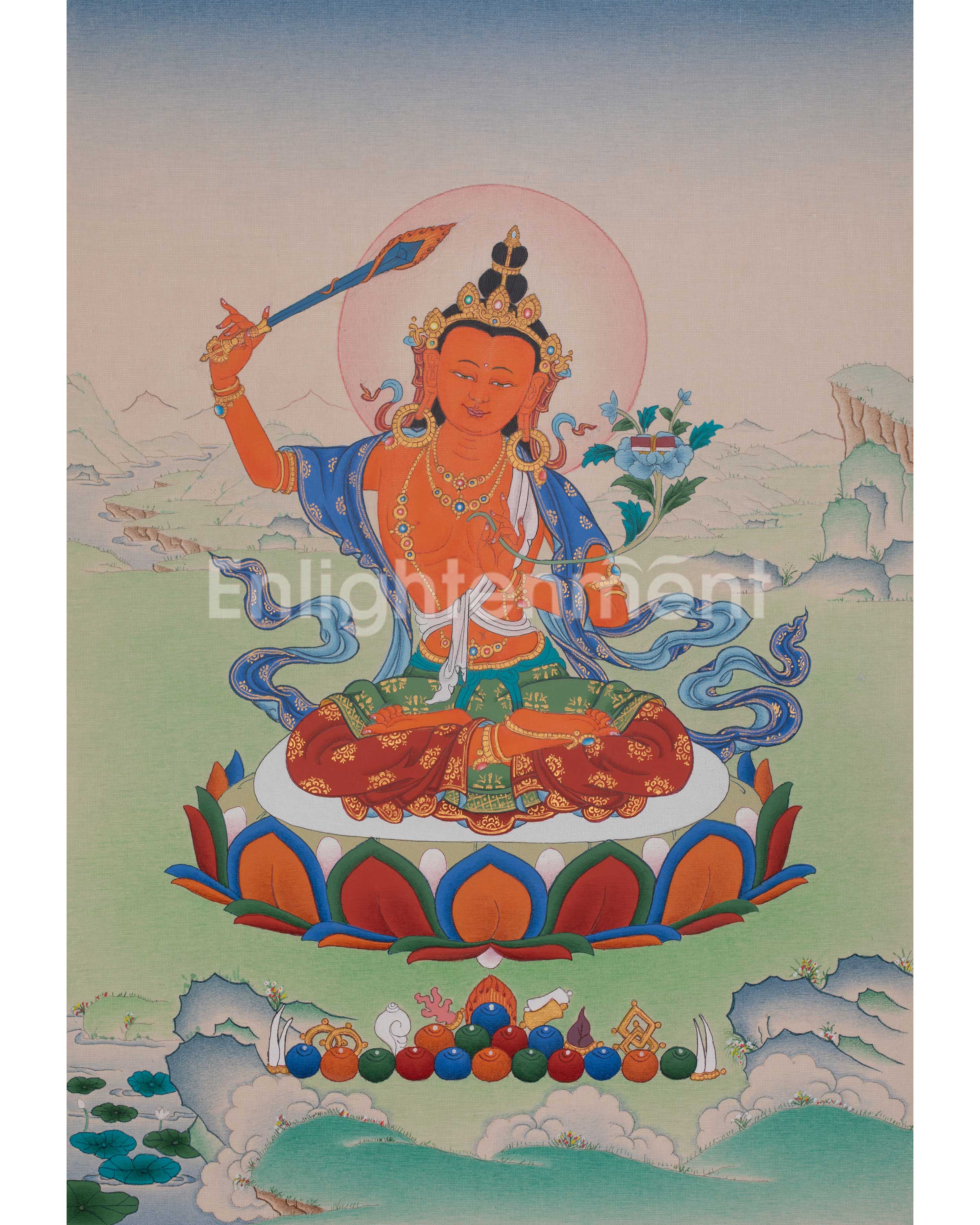
Manjushri Devotional Thangka | Sword of Wisdom | Thangka Painting
Sale price$415.00
9 x 13 Inches
+1
Make An OfferNatural Mineral Colors
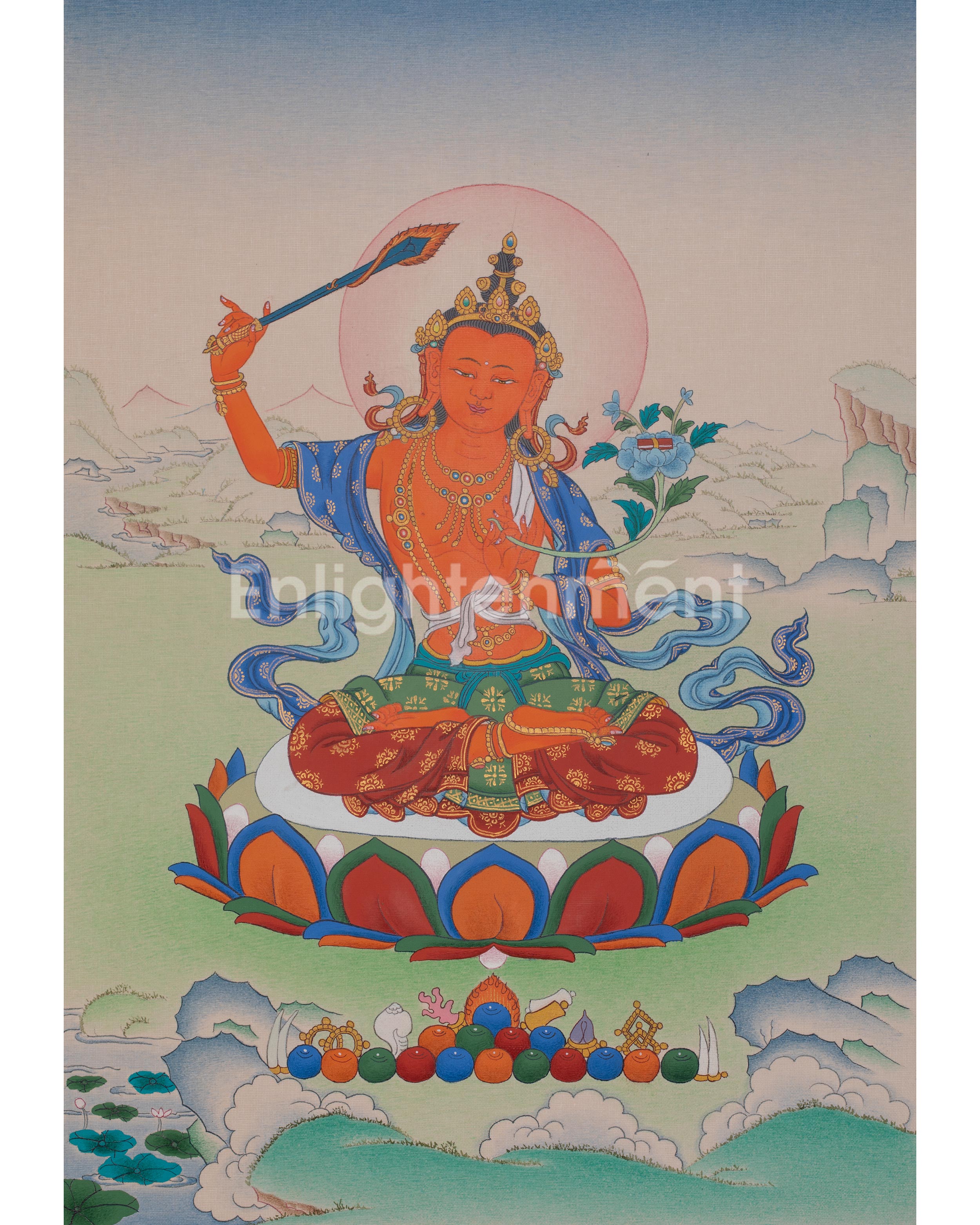
Manjushri Buddhist Art | Bodhisattva Deity | Sacred Artwork | Spiritual Gift
Sale price$415.00
9 x 13 Inches
+1
Free BrocadeNatural Mineral Colors
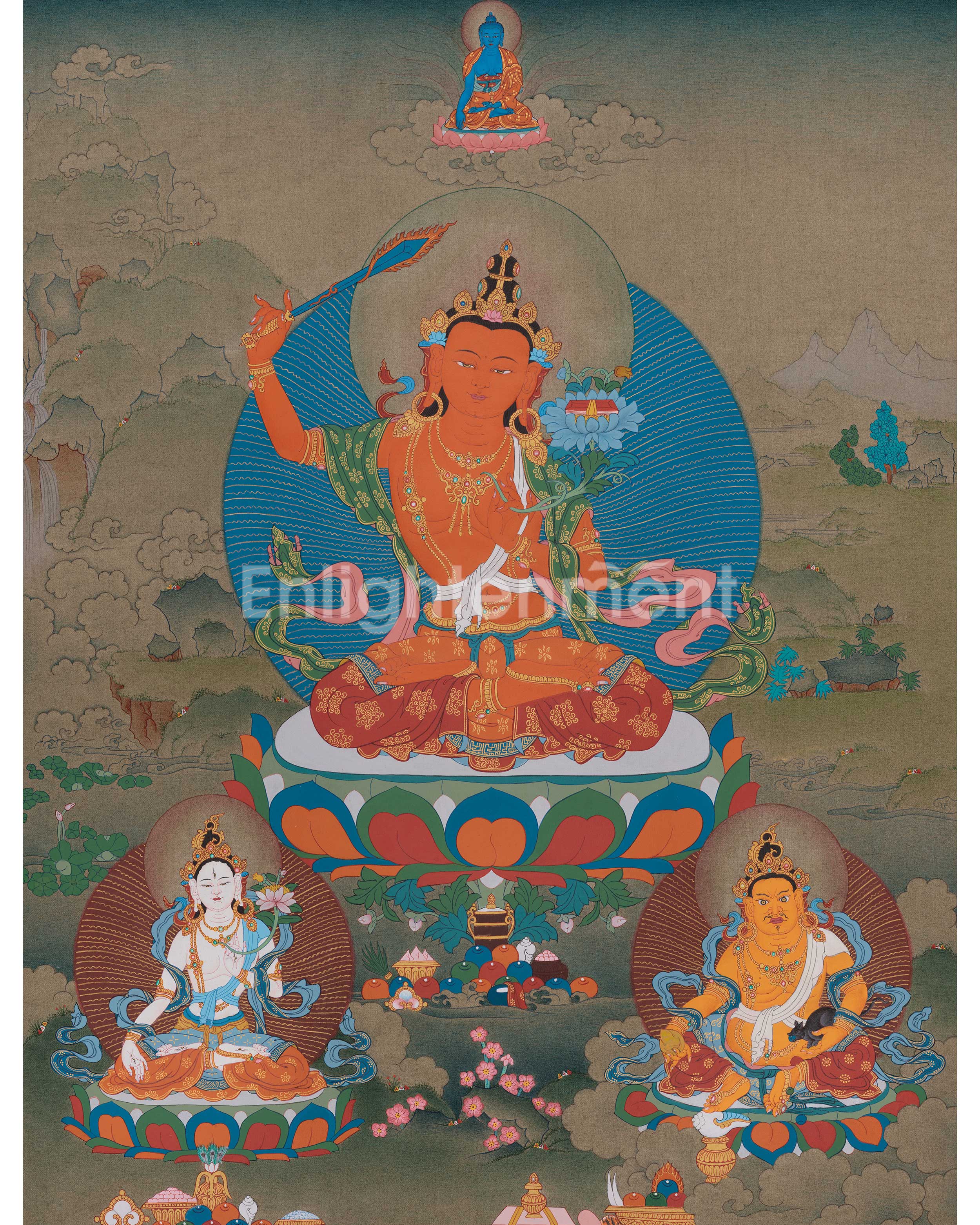
Manjushri Sword of Wisdom Thangka | Protector Deity
Sale price$740.00
18 x 24 Inches
+1
Make An Offer
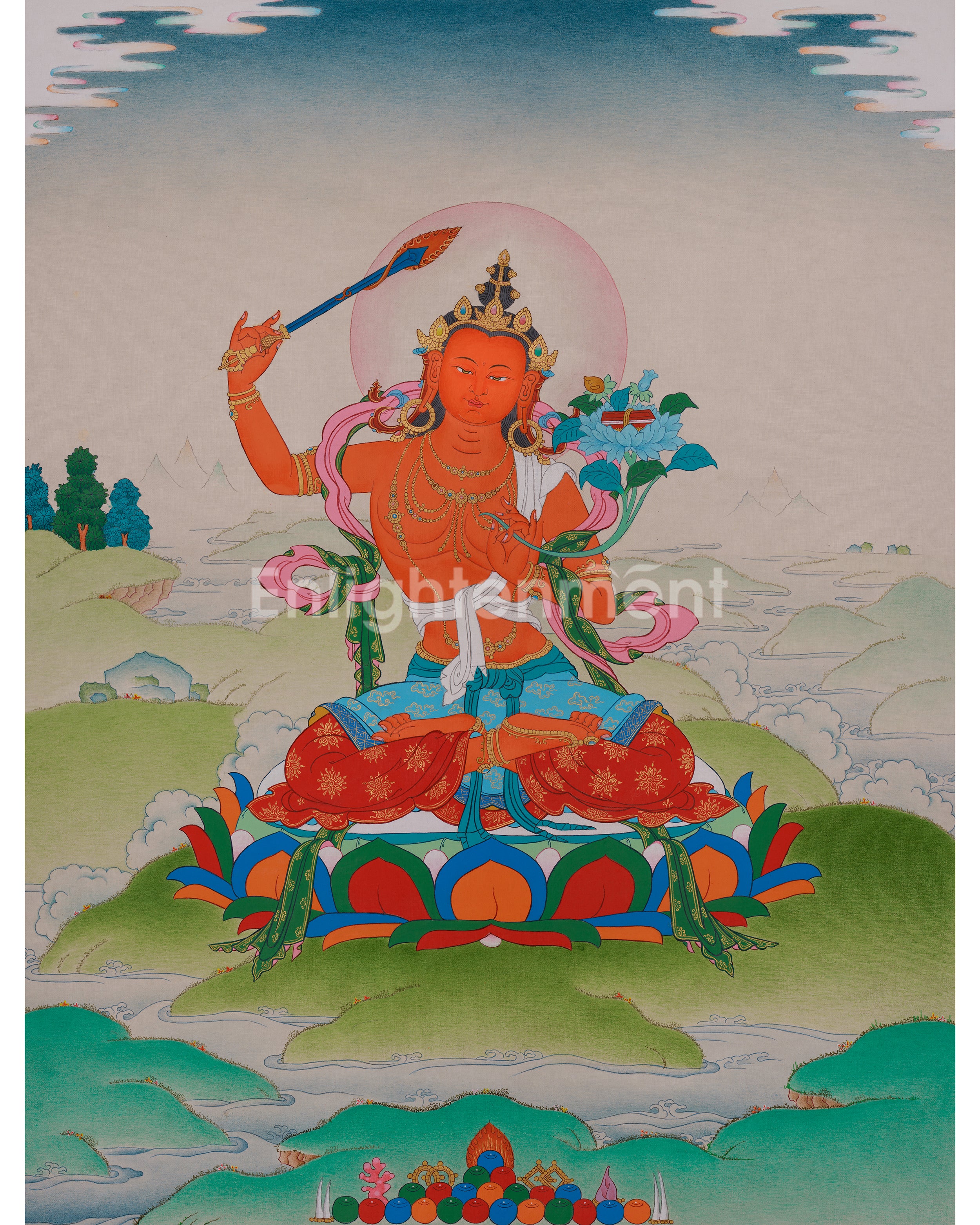
Manjushri Bodhisattva Artwork | Transcendent Wisdom in Mahayana Buddhism
Sale price$415.00
18 x 24 Inches
+1
Free Brocade
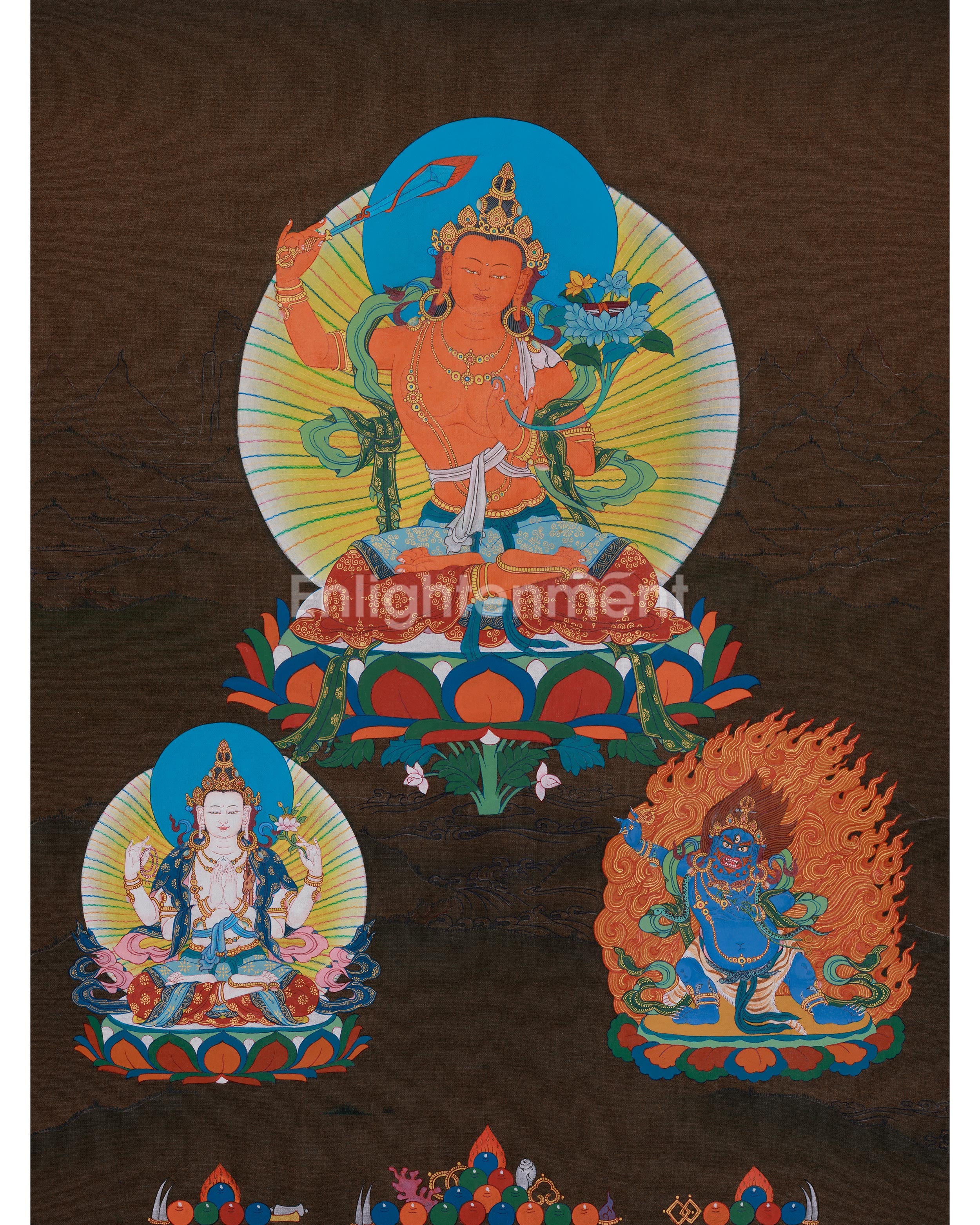
Sacred Thangka of Manjushri with Chenrezig and Vajrapani | Three Great Bodhisattvas
Sale price$740.00
18 x 24 Inches
+1
Free Brocade
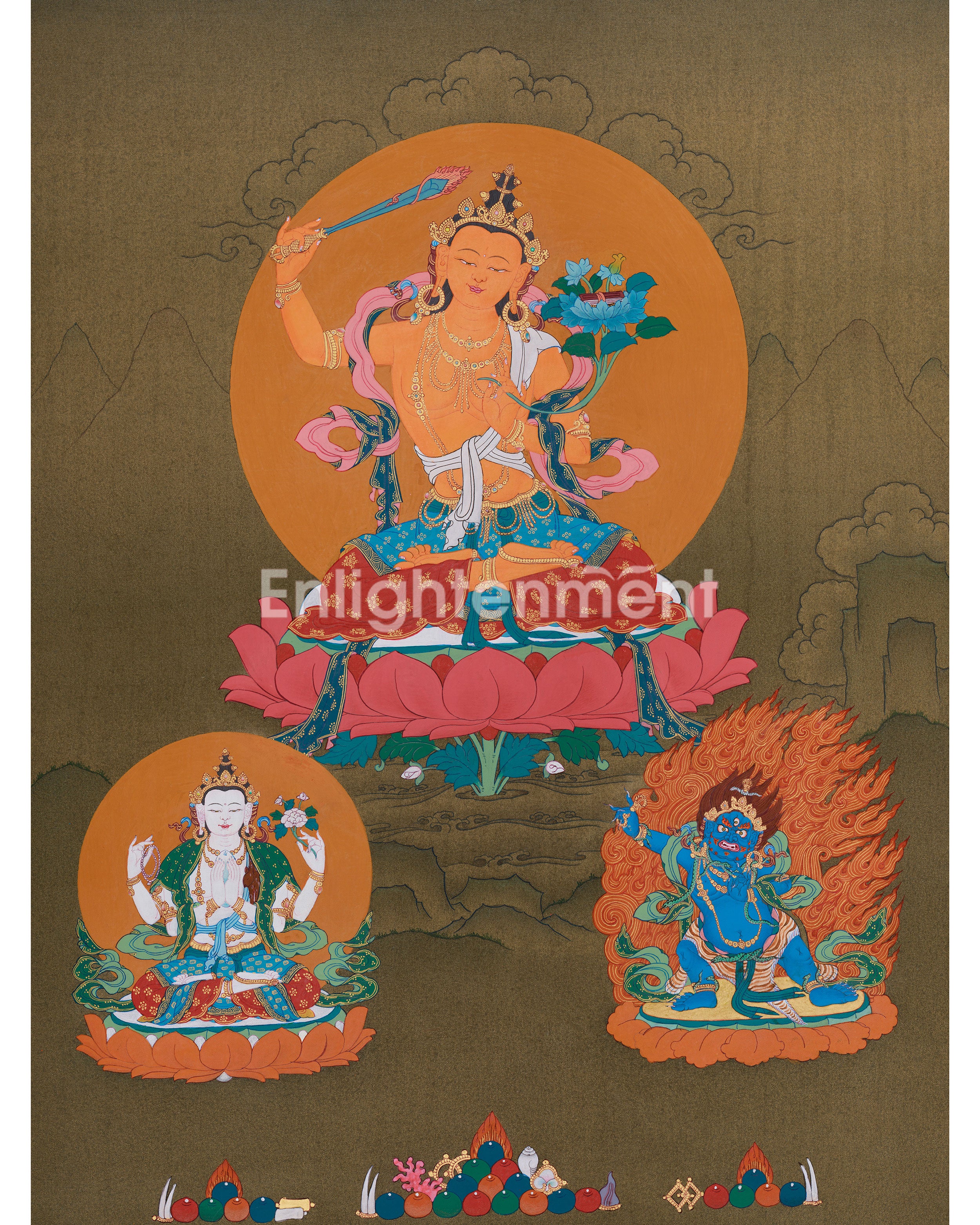
Tibetan Buddhist Manjushri with Chenrezig and Vajrapani | Thangka of Three Bodhisattvas
Sale price$740.00
18 x 24 Inches
+1
Make An OfferNatural Mineral Colors
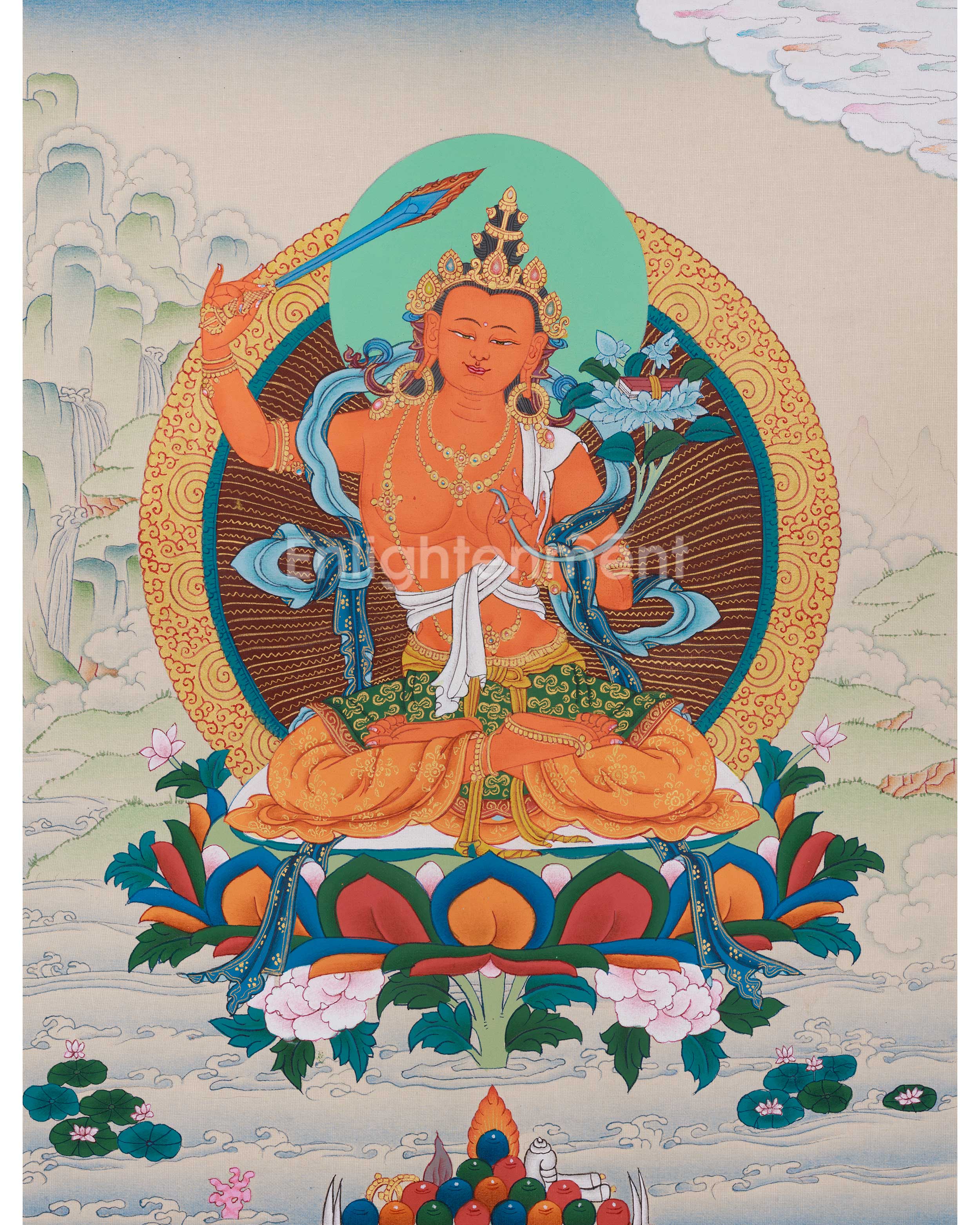
Manjushri Wisdom Deity Thangka | A Sacred Thangka of Knowledge and Enlightenment
Sale price$415.00
9 x 13 Inches
+1
Make An OfferNatural Mineral Colors
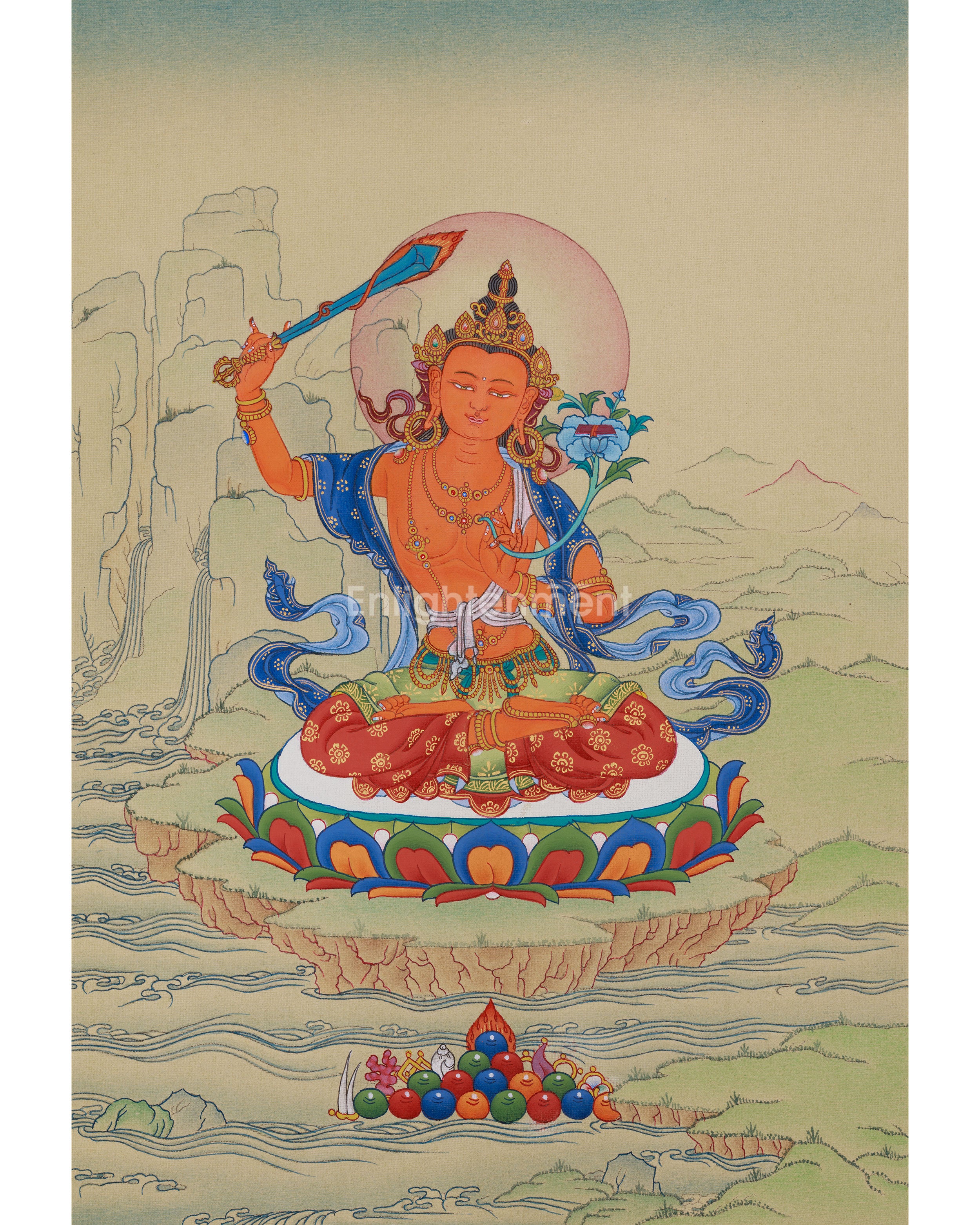
Wisdom Bodhisattva Manjushri Thangka | A Symbol of Spiritual Insight
Sale price$415.00
9 x 13 Inches
+1